
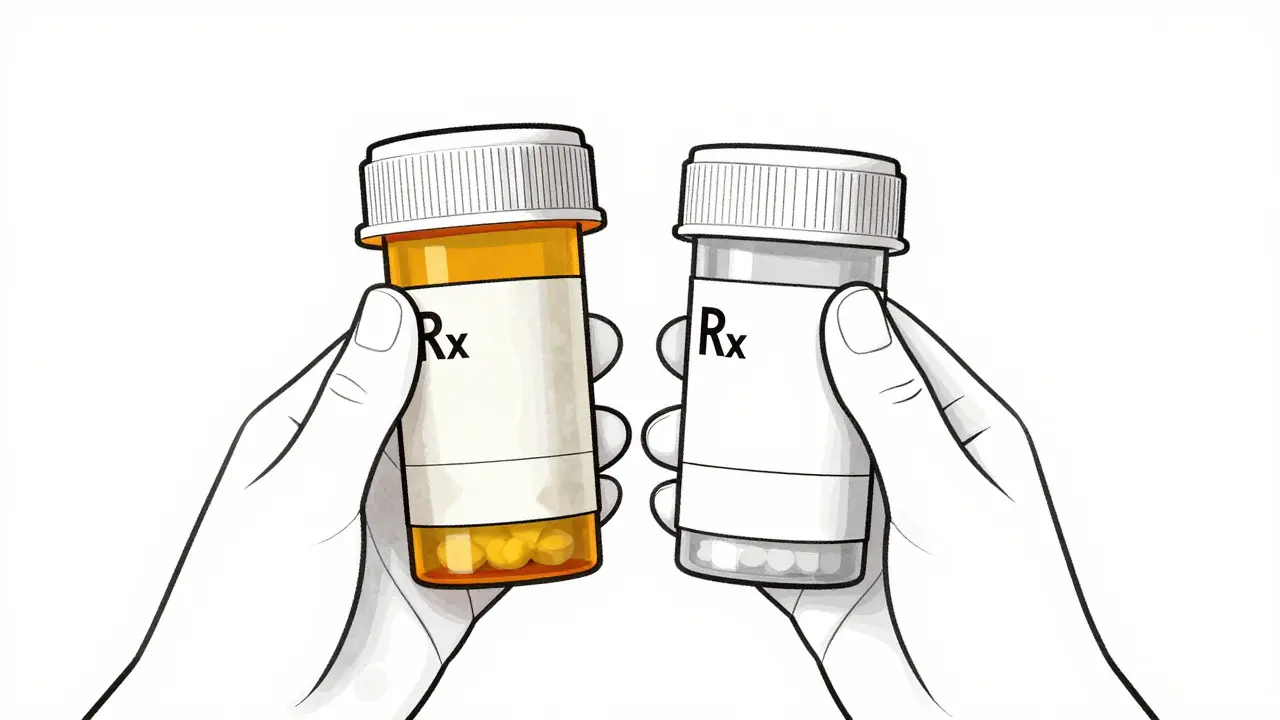
Imagine picking up your refill at the pharmacy. The bottle looks familiar, but the pills inside are a different color or shape than what you took last month. Panic sets in. Did the pharmacist make a mistake? Is this a new drug? Or is it just a harmless change in packaging?
This scenario happens more often than you might think. In fact, about 90% of prescriptions filled in the United States today are generic medications (FDA, 2023). Because multiple companies manufacture these generics, your pill’s appearance can change every time you refill, even if the active ingredient stays exactly the same.
Comparing your new prescription labels with your old medication isn’t just about being organized-it’s a critical safety step. Preventing medication errors saves lives. According to the Institute of Medicine, poor labeling contributes to an estimated 1.5 million preventable adverse drug events annually in the U.S. By learning how to read and verify your labels, you take control of your health and catch potential errors before they become serious problems.
The Anatomy of a Prescription Label
Before you can compare anything, you need to know what you’re looking for. A prescription label is packed with specific data points that act as a fingerprint for your medication. When you pick up a new bottle, look closely at these key sections:
- Rx Number: This is a unique identifier for your specific prescription. It should match the number on your previous fill.
- Patient Name: Always check this first. It sounds obvious, but mix-ups happen. Ensure the name matches yours exactly.
- Medication Name: Look for both the brand name (if applicable) and the generic name. For example, 'Lisinopril' is the generic name for 'Prinivil'. Both names may appear, but the generic name is the most important for comparison.
- Dosage Strength: This tells you how much of the drug is in each pill (e.g., 10mg, 50mg). A small difference here-like taking 20mg instead of 10mg-can have significant effects.
- Manufacturer Information: You’ll often see a code like 'Mfg: ACCORD HEALTHCARE' or similar. This identifies who made the pills. Changes here explain why pills might look different.
- Quantity and Refills: This shows how many pills are in the bottle and how many refills remain. It helps you track if you received the correct amount.
- Prescriber Name: The doctor or provider who wrote the prescription. Verify this is your current provider.
- Date Dispensed: The date you picked up the medication. This helps you manage your supply timeline.
Take a moment to locate each of these elements on your new label. If any information seems missing or unclear, ask your pharmacist immediately. Don’t assume it’s fine because it came from the pharmacy.
Why Do My Pills Look Different?
It’s natural to worry when your daily medication changes appearance. However, visual differences are usually normal and expected. Here’s why:
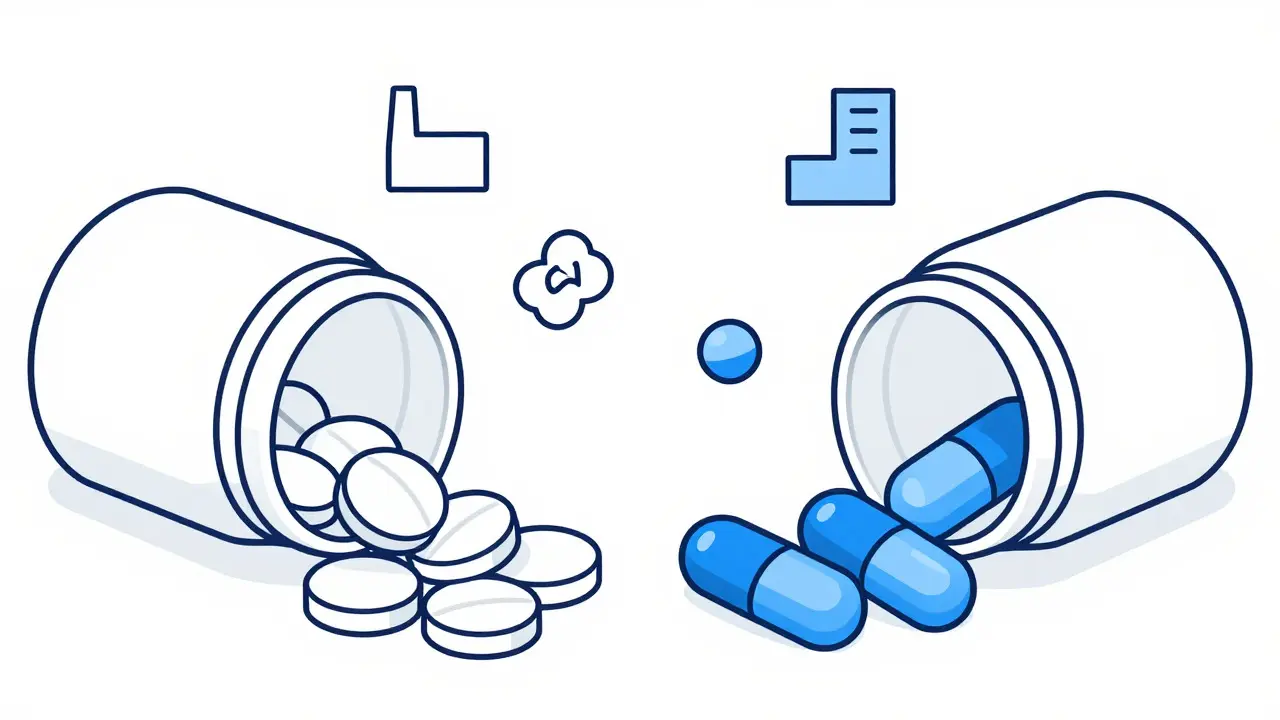
Generic drug manufacturers are not allowed to copy the exact shape, color, or size of a brand-name pill due to trademark laws. Furthermore, when multiple companies produce the same generic drug, each uses its own manufacturing process and inactive ingredients (like binders or dyes). As a result, the same generic drug from different manufacturers can look completely different.
For example, one manufacturer might produce a white, round tablet, while another makes a blue, oval capsule. Despite these visual changes, the FDA requires that all generic versions contain the same active ingredient, work the same way in the body, and have the same strength and dosage.
However, there are exceptions. For "narrow-therapeutic-range" medications-such as blood thinners (warfarin), antiseizure drugs, or thyroid medications-even tiny variations between generic manufacturers can affect how some people respond to the drug. If you take one of these sensitive medications, Consumer Reports recommends asking your pharmacist to keep you on the same generic manufacturer whenever possible.
Step-by-Step Comparison Guide
Now that you understand the basics, follow this systematic approach to compare your new prescription with your old one:
- Check the Rx Number First: Pull out your old bottle. Find the Rx# on the label. Compare it to the new bottle. They must match. This confirms it’s the same prescription record.
- Verify Patient Name: Double-check that the name on the new label is yours. Pharmacies handle hundreds of prescriptions daily; simple swaps do occur.
- Match Medication Name and Strength: Compare the generic name and dosage (e.g., 'Metformin 500mg') on both labels. These must be identical. If the new label says 'Metformin 1000mg' but your old one said '500mg', stop. Call the pharmacist.
- Note the Manufacturer: Look at the 'Mfg' section. If the manufacturer has changed (e.g., from 'ACC' to 'TEVA'), this explains any physical differences in the pills. Write down the new manufacturer for future reference.
- Inspect the Pill Appearance: Open both bottles. Compare the pills side-by-side. Note differences in color, shape, size, and imprint codes (the letters or numbers stamped on the pill).
- Use a Pill Identifier Tool: If the pills look drastically different, use a trusted tool like Drugs.com’s Pill Identifier. Enter the imprint code, color, and shape to confirm it matches the medication name on the label.
- Review Instructions: Check the 'Directions' section. Are you still taking it once daily? With food? Any changes in instructions should be verified with your prescriber or pharmacist.
Taking photos of each new bottle and keeping them in a dedicated album on your phone is a smart habit. One Reddit user shared that this practice helped her spot a potential error when her new pills were twice as large but had the same dosage listed-a clear sign something was off.
Red Flags to Watch For
While most changes are harmless, certain discrepancies require immediate attention. Contact your pharmacist or doctor if you notice any of these red flags:
- Mismatched Active Ingredients: If the new label lists a different drug entirely (e.g., 'Atorvastatin' instead of 'Simvastatin'), this is a serious error.
- Unexpected Dosage Changes: Never assume a dosage increase or decrease is intentional without confirmation. Even a small change can impact your health.
- 'Brand Substitution Not Permitted' Markings: If your doctor specified the brand name, the label should indicate this. If you receive a generic instead, question it.
- Missing or Illegible Information: Labels should be clear and complete. Blurry text or missing fields increase the risk of confusion.
- Changes in Narrow-Therapeutic-Range Drugs: If you take warfarin, levothyroxine, or phenytoin, and the manufacturer changes, consult your doctor before switching.
Remember, pharmacists are your partners in safety. If anything feels wrong, trust your instincts and ask questions. There is no such thing as a silly question when it comes to your health.
Tools and Resources for Verification
You don’t have to rely solely on memory or visual inspection. Several tools can help you verify your medications accurately:
| Tool | Best For | Key Feature |
|---|---|---|
| Drugs.com Pill Identifier | Visual confirmation | Search by imprint, color, shape |
| FDA Pill Identifier | Official verification | Government-backed database |
| MedSnap App | Quick scanning | AI-powered photo recognition |
| Pharmacist Consultation | Complex cases | Personalized expert advice |
Using these tools alongside careful label reading creates a robust safety net. For instance, if your new pills look unfamiliar, snap a photo and run it through MedSnap or the FDA’s tool. If the results match the label, you can relax. If not, call the pharmacy.

When to Talk to Your Pharmacist
Don’t hesitate to reach out to your pharmacist. They are highly trained professionals who want to ensure you get the right medication. Specific situations where a conversation is essential include:
- First-Time Generic Switches: If you’ve always taken a brand-name drug and are now getting a generic, ask about potential differences in inactive ingredients.
- Multiple Medications: If you take several drugs, especially those with similar names or appearances, ask for color-coded labels or blister packs to reduce confusion.
- Confusing Abbreviations: Handwritten prescriptions sometimes use Latin abbreviations that can be misread. Electronic prescriptions are clearer, but if you see unclear directions, ask for clarification.
- Allergies or Sensitivities: If you react to certain dyes or fillers, inform your pharmacist so they can choose a manufacturer that avoids those ingredients.
A quick call can save you from days of uncertainty or worse. Pharmacists appreciate engaged patients who care about their safety.
Building a Personal Medication Log
To streamline future comparisons, consider creating a personal medication log. This doesn’t need to be complicated-a simple notebook or digital note works well. Include the following for each medication:
- Medication name (generic and brand)
- Dosage strength
- Manufacturer name
- Pill appearance description (color, shape, imprint)
- Date started and any changes
- Photos of the pills and label
Update this log every time you refill. Over time, you’ll build a reliable reference that makes comparing new labels effortless. Plus, having this information handy is invaluable during doctor visits or insurance reviews.
Is it safe to switch between different generic manufacturers?
For most medications, yes. The FDA ensures all generic versions meet strict standards for safety and effectiveness. However, for narrow-therapeutic-range drugs like blood thinners or seizure medications, small variations can matter. In those cases, ask your pharmacist to keep you on the same manufacturer.
What should I do if my new pills look completely different?
First, check the label for the manufacturer name. If it’s different, that explains the change. Use a pill identifier tool to confirm the new pills match the medication name. If anything seems off, call your pharmacist before taking the medication.
Do expiration dates need to be on prescription labels?
Not always. While expiry dates aren’t mandatory on all Rx labels, pharmacies assign beyond-use dates based on stability data. Compounded products must show these dates. If unsure, ask your pharmacist when your medication expires.
Can electronic prescriptions reduce labeling errors?
Yes. Electronic prescriptions significantly reduce variability compared to handwritten ones. Studies show only 1% of e-prescriptions contain confusing Latin abbreviations, versus 61% of handwritten ones. This clarity helps both pharmacists and patients avoid mistakes.
How can I tell if my medication has been substituted incorrectly?
Compare the generic name and dosage on the new label with your old one. If they differ, or if the label lacks a 'brand substitution not permitted' mark when your doctor requested the brand, contact your pharmacist immediately. Visual checks and pill identifiers also help confirm accuracy.