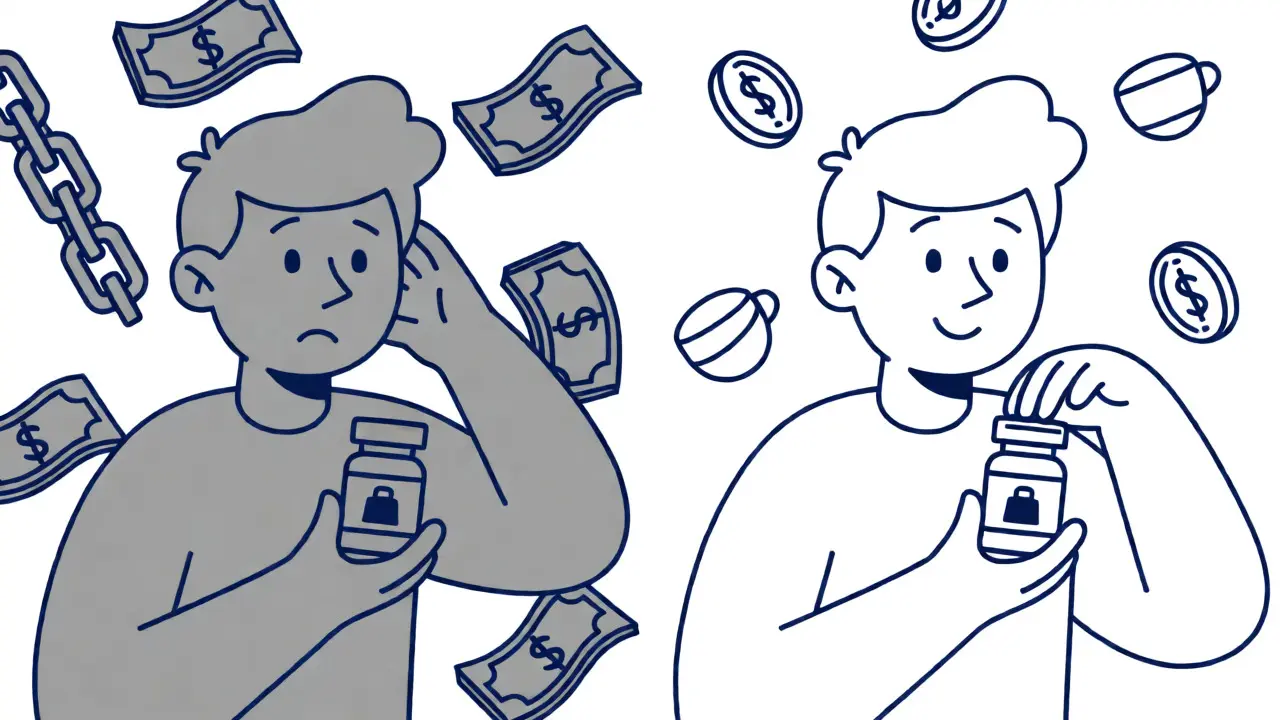
Discover how to buy online cheap generic Crestor (rosuvastatin) in 2026. Learn about top discount pharmacies, price comparisons, and safety tips to save up to 95% on your cholesterol medication.

Did you know that more than half of adults buy at least one prescription online each year? It’s easy to see why – convenience, price and privacy are big draws. But with so many sites out there, knowing what’s safe can feel like a guessing game. That’s where we step in. Our Health category brings you straightforward, evidence‑based tips that cut through the noise.
Whether you’re hunting for a cheap generic version of a heart drug, trying to pair a migraine tablet with a non‑drug therapy, or curious about a new herbal tea, we’ve got a short guide that tells you exactly what to look for, what to avoid, and how to save money without risking a counterfeit pill.
First, check for a valid pharmacy license – in New Zealand that’s a Medsafe registration number, in the U.S. look for a Verified Internet Pharmacy Practice Sites (VIPPS) seal. Next, make sure the site requires a prescription for prescription‑only drugs; any pharmacy that sells clopidogrel or lamotrigine without asking for a doctor’s note is a red flag.
Price comparison is also key. Legitimate pharmacies publish a price list that matches the market rate. If a site advertises a 70% discount on brand‑name antibiotics, pause and verify. Use a free drug price checker or ask your local pharmacy what a typical cost looks like.
Supplements like Oswego tea or weight‑loss pills often sit in a gray area. Start by checking if the product has any third‑party testing, such as USP or NSF certification. Look for clear dosage instructions and any listed interactions – many herbal blends can affect blood thinners or blood pressure meds.
When you’re reading a supplement guide, pay attention to the source. Articles that cite peer‑reviewed studies or official health agency statements are more reliable than those that just repeat user anecdotes. And always talk to your doctor before adding a new supplement, especially if you’re already on prescription meds.
We also cover the practical side of buying meds online. Our step‑by‑step guides show you how to fill out a telehealth questionnaire, upload your prescription, and track shipping. We flag common scams – like sites that ask for payment via gift cards – and give you a quick checklist so you can verify a pharmacy in under two minutes.
Beyond buying tips, we dive into disease‑specific advice. For instance, if you suffer from migraines, you’ll find a guide on pairing rizatriptan with biofeedback to both stop an attack and prevent the next one. If you’re managing high cholesterol, we explain how fenofibrate works and what to watch for in lab results.
All of our content is built for busy readers. We use bullet‑point takeaways, clear headings, and short paragraphs so you can skim and still get the essential info. No jargon, no fluff – just what you need to feel confident about your health choices.
Ready to start? Browse the latest posts, bookmark the guides that match your medication list, and keep this page handy for quick answers. Staying informed doesn’t have to be hard – we’ve done the research so you can focus on feeling better.
Discover how to buy online cheap generic Crestor (rosuvastatin) in 2026. Learn about top discount pharmacies, price comparisons, and safety tips to save up to 95% on your cholesterol medication.
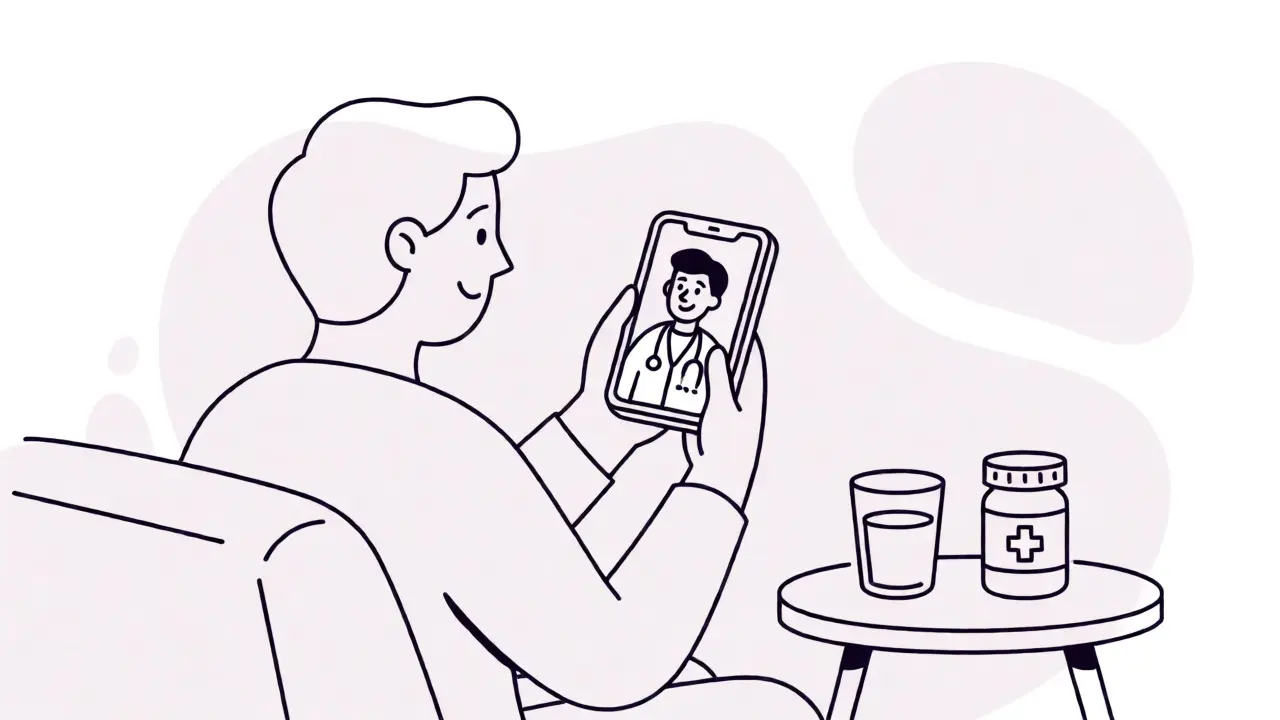
Learn how to legally and affordably buy Zyvox (linezolid) online. Discover telehealth options for prescriptions, compare US and Canadian pharmacies, and understand pricing differences between brand and generic versions.
Stop overpaying for brand-name pain relief. Learn how to buy online cheap generic tylenol using smart pricing tools, bulk buying strategies, and trusted retailers.

Learn how to qualify for free medications through patient assistance programs. We break down income limits, insurance requirements, and application tips to help you secure affordable drug coverage.
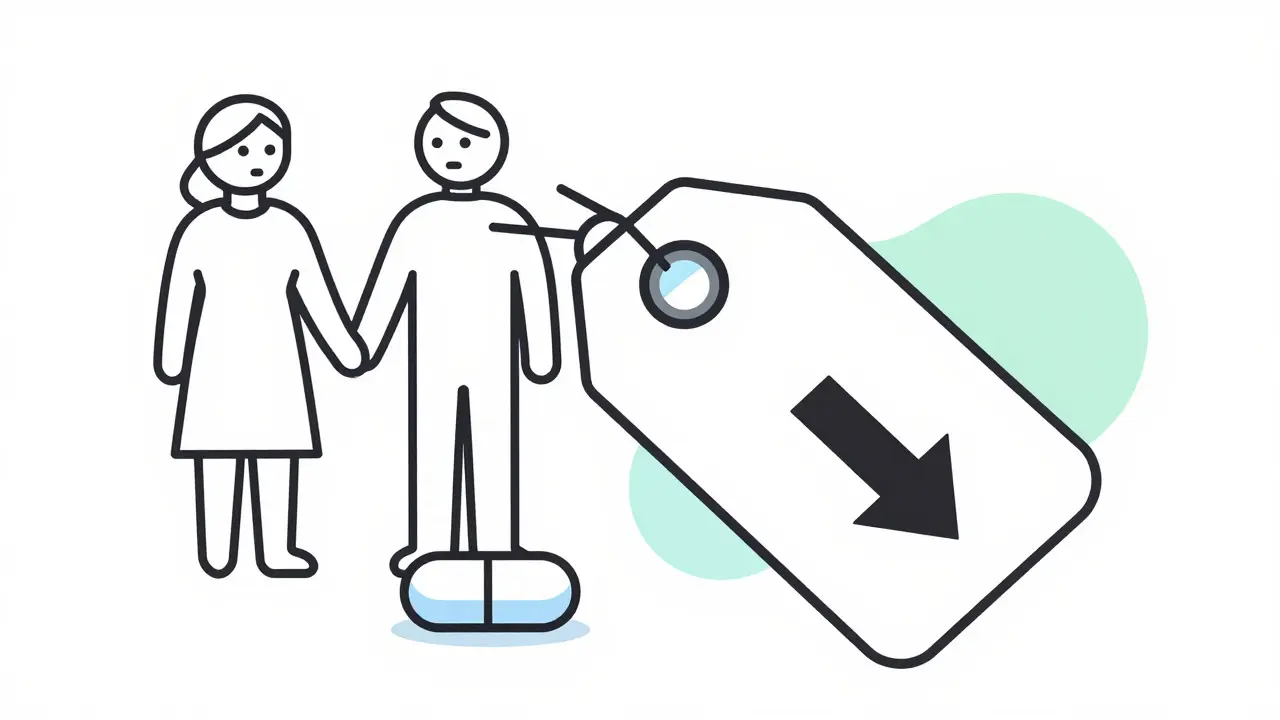
Learn how to buy generic clomid online safely. Compare prices, understand legal requirements, and find reputable pharmacies to save money on fertility treatment.
Learn how to safely buy cheap generic Yasmin online. Compare prices from trusted telehealth and pharmacy services, understand prescription requirements, and avoid scams while saving up to 80%.

Learn how to legally buy tizanidine online using telehealth services. Compare prices from top platforms, understand the prescription process, and avoid scams with this practical guide.

Learn how to buy naproxen online safely and affordably. We compare telehealth, discount apps, and retail stores to help you find the best price and delivery option.

Learn how to buy Luvox (fluvoxamine) online safely in 2026. We cover getting a prescription, comparing generic vs. brand prices, and finding trusted pharmacies like Amazon and Blink Health.
Learn how to buy cheap generic Seroquel (Quetiapine) online safely in 2026. Compare prices, use GoodRx coupons, and find legitimate telehealth pharmacies to save up to 97% on your medication.
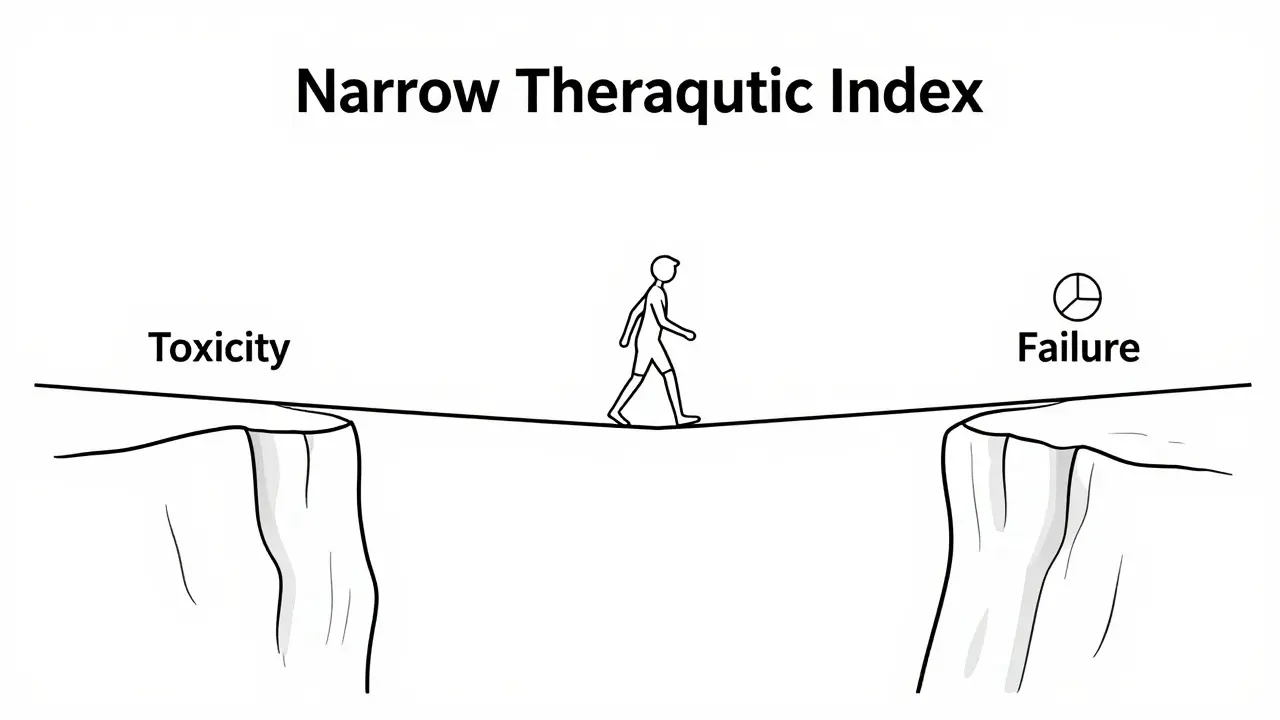
Explore FDA bioequivalence standards for NTI drugs. Learn why the 90-111% limit replaces the standard 80-125% range, how quality assays are tightened to 95-105%, and which medications like warfarin and tacrolimus require these special safety protocols.
Learn how to safely buy doxycycline online in 2026. Discover trusted telehealth platforms, pharmacy comparisons, price-saving tips, and red flags to avoid counterfeit drugs.