
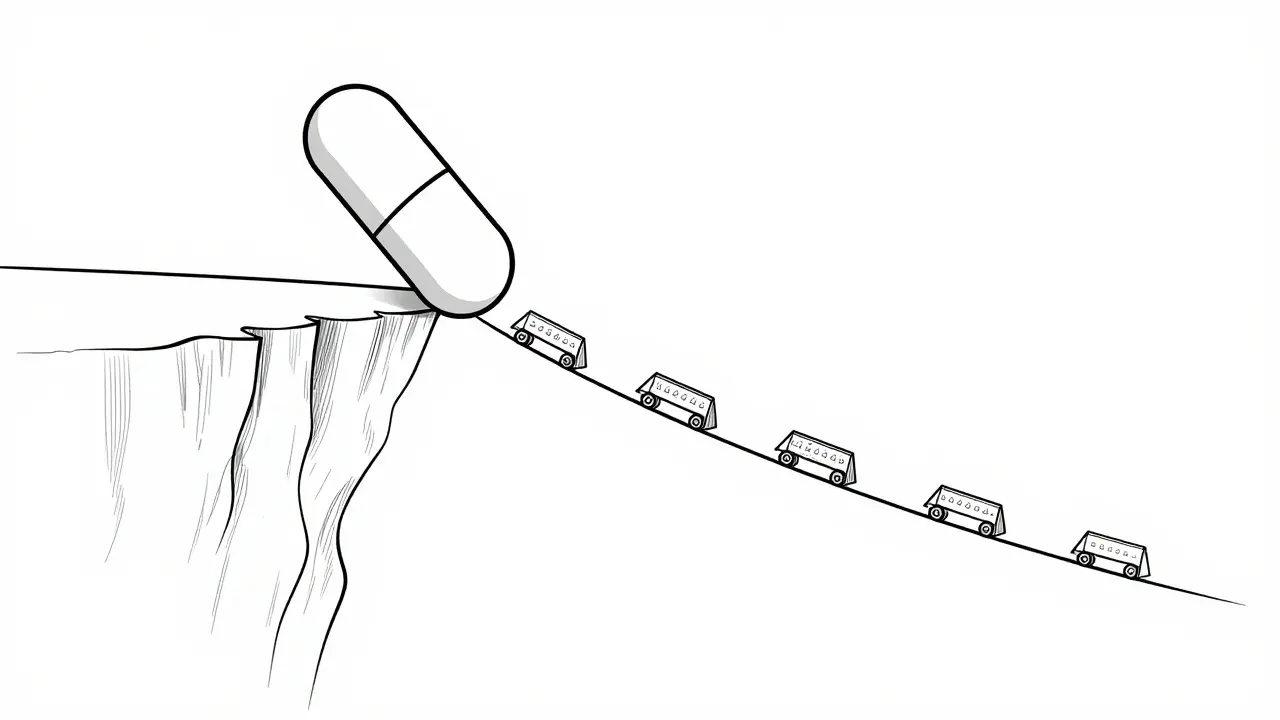
Most people think that once a drug's patent expires, generic versions hit the shelves and prices plummet. In reality, the "patent cliff" is often more of a gentle slope. Pharmaceutical companies use a sophisticated toolkit of regulatory maneuvers to keep competitors at bay long after the original patent has vanished. This isn't just about filing a few more papers; it's a strategic game of stacking protections to maintain high revenues for as long as possible.
The core goal of these market exclusivity extensions is to grant pharmaceutical companies periods of market protection beyond standard patent terms, preventing generic competition and ensuring a temporary monopoly.
The Foundation: The Hatch-Waxman Act
To understand how this works, we have to look at the Hatch-Waxman Act a 1984 US law that balanced the need to incentivize drug innovation with the goal of providing affordable generic medicines ].
Originally, the framework expected drugs to have about nine years of market protection after approval. If a company faced delays during the FDA review process, they could get a patent term extension of up to five years. This created a theoretical maximum of 14 years of post-approval monopoly. However, the modern reality is far different. Data from the Yale Law and Policy Review shows that 91% of drugs receiving these extensions actually maintain their monopolies well beyond that 14-year mark. How? By layering multiple types of protection on top of each other.
Patent-Based Extensions: PTA and PTE
Not all extensions are created equal. Some are tied directly to the patent, while others are regulatory "gifts" from the government. In the US, there are two main patent-based mechanisms:
- Patent Term Adjustment (PTA): This compensates the company for delays caused by the USPTO during the initial patent application process.
- Patent Term Extension (PTE): This accounts for the time it takes to get FDA approval. It's capped at five years, and the total life of the patent cannot extend more than 14 years past the drug's approval date.
While these seem straightforward, companies often use "delayed filing" strategies. Some wait until after Phase II clinical trials to file their patents. By doing this, they align the 20-year patent clock more closely with the actual date the drug hits the market, effectively squeezing every possible day of monopoly out of the law.

Regulatory Exclusivities: The Non-Patent Shield
This is where things get interesting. Regulatory exclusivity is entirely independent of patents. Even if a drug has no patent protection at all, the FDA the agency responsible for regulating food and drug safety in the United States can grant exclusivity that blocks generics from entering the market.
There are several types of these shields:
- New Chemical Entity (NCE) Exclusivity: A 5-year block for entirely new chemical structures.
- Orphan Drug Exclusivity: A 7-year period reserved for drugs treating rare diseases (affecting fewer than 200,000 people in the US).
- New Clinical Investigation Exclusivity: A 3-year window granted when a company finds a new use (indication) for an existing drug.
- Pediatric Exclusivity: A 6-month "bonus" added to any existing exclusivity if the company conducts studies on children.
The real "art" of pharma strategy is stacking. For example, a company might combine an NCE exclusivity with a pediatric extension and an orphan drug designation, pushing the generic entry date back by years. For some blockbuster drugs, this stacking can be worth billions in additional revenue.
| Feature | United States (FDA/USPTO) | European Union (EMA/EC) |
|---|---|---|
| Max Patent Extension | 14 years post-approval cap | Up to 15 years (via SPC) |
| Orphan Drug Term | 7 years | 10 years (up to 12 with pediatric data) |
| Pediatric Bonus | 6 months | Variable (via PUMA or SPC extensions) |
| New Indication Term | 3 years | 8+2+1 year structure |
The Strategy of "Evergreening" and Patent Thickets
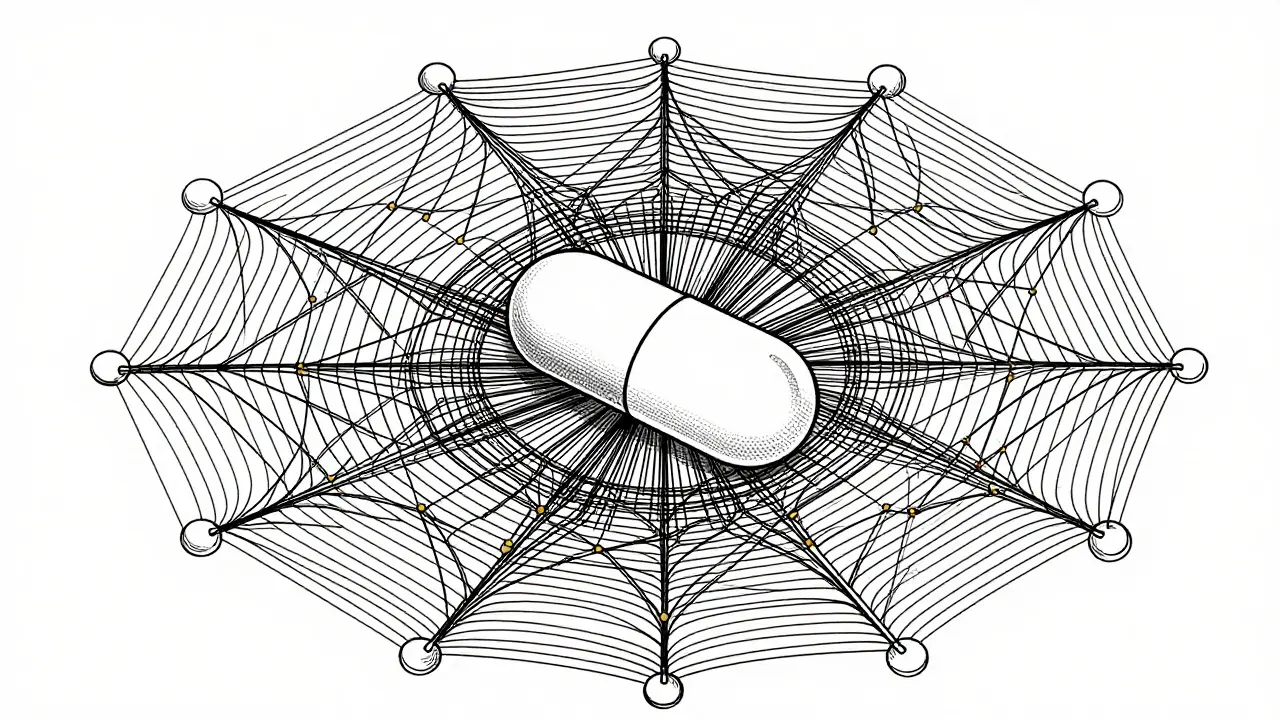
When the core patent is about to expire, companies often pivot to a strategy called "evergreening." This involves filing dozens of secondary patents on minor modifications-like a new dosage form, a different coating, or a slightly changed chemical salt. This creates what experts call a "patent thicket."
Consider the drug tazarotene. While it had one core compound patent, the company accumulated 48 additional patents to protect various tweaks. This makes it incredibly risky for generic manufacturers to enter the market, as they would have to challenge nearly 50 different patents in court to avoid infringement.
Another controversial tactic is "product hopping." A company might introduce a slightly modified version of the drug (e.g., moving from a once-a-day pill to a twice-a-day extended-release version) just before the original expires. They then move the patient base to the new version, effectively resetting the monopoly clock and making the original generic version obsolete before it even launches.
The Economic and Human Impact
Why does this matter to the average person? Because these extensions have a direct impact on healthcare spending. A study in the JAMA Health Forum found that extended exclusivity for just four top-selling drugs (bimatoprost, celecoxib, glatiramer, and imatinib) resulted in $3.5 billion in extra spending over two years. In 2022, branded drugs accounted for 78% of US pharma revenue despite being only 10% of prescriptions.
From the industry side, biotech startups argue these extensions are a lifeline. About 68% of biotech startups believe this protection is critical to securing venture capital. Without the promise of a 15- to 20-year monopoly, investors would be unlikely to fund the $2.3 billion average cost required to develop a new drug.
Current Trends and Regulatory Pushback
The tide may be turning. Regulators are starting to look more critically at these maneuvers. The Federal Trade Commission (FTC) has recently argued that "product hopping" may violate antitrust laws. Meanwhile, the FDA has tightened the rules for three-year new indication exclusivity, demanding more substantial evidence that the new use actually provides a clinical benefit to patients.
In Europe, the European Commission is proposing revisions to the Supplemental Protection Certificate (SPC) a mechanism providing additional protection for medicinal products after the patent expires system. The goal is to ensure that only true innovations-not minor tweaks-receive these extensions.
What is the difference between a patent and regulatory exclusivity?
A patent is a legal property right granted by a patent office (like the USPTO) that protects the invention itself. Regulatory exclusivity is a period of protection granted by a health agency (like the FDA) that prevents them from approving a generic version of the drug, regardless of whether a patent exists or has expired.
How does "stacking" work in pharmaceutical exclusivity?
Stacking occurs when a company qualifies for multiple types of protection simultaneously. For example, a drug could have a New Chemical Entity (NCE) exclusivity of 5 years, and the company could then add 6 months of pediatric exclusivity and 7 years of orphan drug exclusivity. While these don't always run sequentially, they create multiple legal hurdles that a generic competitor must overcome.
What is a "patent thicket"?
A patent thicket is an overlapping set of multiple patents that cover different aspects of a single drug-such as its formulation, method of use, or chemical derivatives. By creating a dense web of patents, companies make it prohibitively expensive and legally risky for generic manufacturers to challenge them.
Does the 14-year post-approval cap always apply?
The 14-year cap applies specifically to Patent Term Extensions (PTE) in the US. However, it does NOT apply to regulatory exclusivities like Orphan Drug or NCE protections. This is why many drugs maintain their monopoly far beyond the 14-year window.
Why do companies seek Orphan Drug exclusivity?
Orphan drug exclusivity provides a powerful 7-year (US) or 10-year (EU) market monopoly for treatments targeting rare diseases. Since these drugs often have smaller markets and higher development risks, the extended exclusivity provides a guaranteed period of high pricing to recover costs and generate profit.
14 Comments
The distinction between patent-based extensions and regulatory exclusivities is a crucial point here. Many people conflate the two, but the FDA's ability to block generic entry regardless of patent status is the real lever pharma companies use to maintain their margins. It is essentially a dual-layer security system for their revenue streams.
obvious scam lol
imagine thinking a slightly different pill coating is an innovation... its literally just greed disguised as science
Oh sure, because the $2.3 billion development cost is definitely the only reason we need 20-year monopolies. Totally believable.
The obsession with the US model in this discussion is just quaint. If you actually looked at the global landscape, you'd see that these
The obsession with the US model in this discussion is just quaint. If you actually looked at the global landscape, you'd see that these regulatory maneuvers are just a symptom of a failing capitalist framework that prioritizes shareholder value over actual human survival. The data provided is basic at best. Anyone with a shred of analytical rigor would realize that the "patent thicket" isn't just a strategy, it's a systemic failure of the patent office itself. It's almost laughable that we're debating whether this is "strategic" or "unfair" when the structural incentives are so transparently predatory. The industry doesn't innovate; it optimizes for rent-seeking. I honestly find it exhausting how many people are surprised by this when the incentive structure has been this blatant for decades. We are essentially paying a premium for corporate lawyers to find loopholes in the Hatch-Waxman Act. If you can't see that the entire biotech VC model is a house of cards built on these exclusivity windows, you're simply not paying attention to the macroeconomics of healthcare. It's a joke.
this is wild
I honestly feel so inspired by the fact that regulators are finally starting to push back against these practices! 🌟 It gives me so much hope that we can move toward a world where medicine is actually affordable for everyone, regardless of where they live, and I just love seeing the FTC step in to protect the little guy from these giant corporations 💖✨ Let's keep pushing for more transparency and love in the healthcare system because everyone deserves a chance at a healthy life without going bankrupt! 🌈🌸
It's a tough spot for everyone. Patients can't afford the meds, but the startups really do need that funding to even try to find a cure for rare diseases.
Follow the money and you'll see that the FTC's "pushback" is just a performative dance to keep the public quiet while the actual deals are made behind closed doors in DC where the regulators are just waiting for their high-paying consulting jobs at the very pharma firms they're pretending to investigate. It is all a massive shell game designed to keep the population sick enough to need the drugs but just healthy enough to keep working the 9-to-5 grind and paying their insurance premiums into a void that only serves to enrich the board members of a few select mega-corps who probably have a private island bought with the money from a
Follow the money and you'll see that the FTC's "pushback" is just a performative dance to keep the public quiet while the actual deals are made behind closed doors in DC where the regulators are just waiting for their high-paying consulting jobs at the very pharma firms they're pretending to investigate. It is all a massive shell game designed to keep the population sick enough to need the drugs but just healthy enough to keep working the 9-to-5 grind and paying their insurance premiums into a void that only serves to enrich the board members of a few select mega-corps who probably have a private island bought with the money from a generic drug that they blocked from the market for ten years using a pediatric extension that was basically a lie anyway because they didn't actually prove any clinical benefit they just played the system like a fiddle and we're all just pawns in their little game of financial chess.
The intersection of jurisprudence and pharmacology presents a profound ethical dilemma regarding the commodification of survival.
Absolute circus! These companies are just magicians pulling rabbits out of hats to keep the cash flowing into their gold-plated pockets!
I totally agree that the
I totally agree that the regulatory pushback is the most promising part of this. If the FDA actually starts requiring substantial clinical evidence for new indications, it would strip away one of the most common tools for evergreening. It's a great way to ensure that only genuine improvements to patient care are rewarded with more time on the market rather than just clever legal filing.