

Imagine sitting down with a pharmacist and discovering a dangerous interaction between a blood thinner and a simple fish oil supplement you've taken for years. It sounds scary, but for many seniors, this is exactly how a Medicare Annual Medication Review saves lives. If you've been notified that you're eligible for this service, it's not just another appointment to check off your list-it's a strategic safety check for everything you put in your body.
A Comprehensive Medication Review (CMR) is a structured consultation designed to catch errors, stop unnecessary drug use, and find cheaper alternatives. Unlike a quick chat at the pharmacy counter when you pick up a refill, a CMR is a deep dive into your entire health history. However, the pharmacist can only work with the information you provide. If you forget to mention a vitamin or a generic cream, you're leaving a gap in your safety net.
What Exactly is a Medicare Medication Review?
At its core, the CMR is part of Medication Therapy Management (MTM), a program mandated by the Medicare Modernization Act. It's a real-time, interactive conversation-either in person or via telehealth-where a pharmacist reviews every single thing you take. This includes prescription drugs, over-the-counter (OTC) meds, herbal teas, and dietary supplements.
The goal is to create a Medication Action Plan (MAP), which is a customized roadmap for your health. You'll also receive a Personal Medication List (PML) that you can carry with you to every doctor's visit. By identifying duplications or conflicts, these reviews don't just improve health outcomes; they often lower out-of-pocket costs by finding more affordable versions of your meds.
Are You Eligible for a CMR?
Not every Medicare member gets a CMR. To qualify, you generally need to meet specific health and cost thresholds. While these can shift slightly each year, the 2025 guidelines focus on three main areas: having at least three core chronic health conditions, taking a specific range of Part D-eligible drugs, and meeting an annual out-of-pocket cost threshold (which was set at $1,623 for 2025).
| Criteria | Requirement |
|---|---|
| Chronic Conditions | 3 or more core health conditions |
| Medication Count | Between 2 and 8 Part D-eligible drugs |
| Cost Threshold | $1,623+ annual out-of-pocket expenses |
Step-by-Step Preparation Checklist
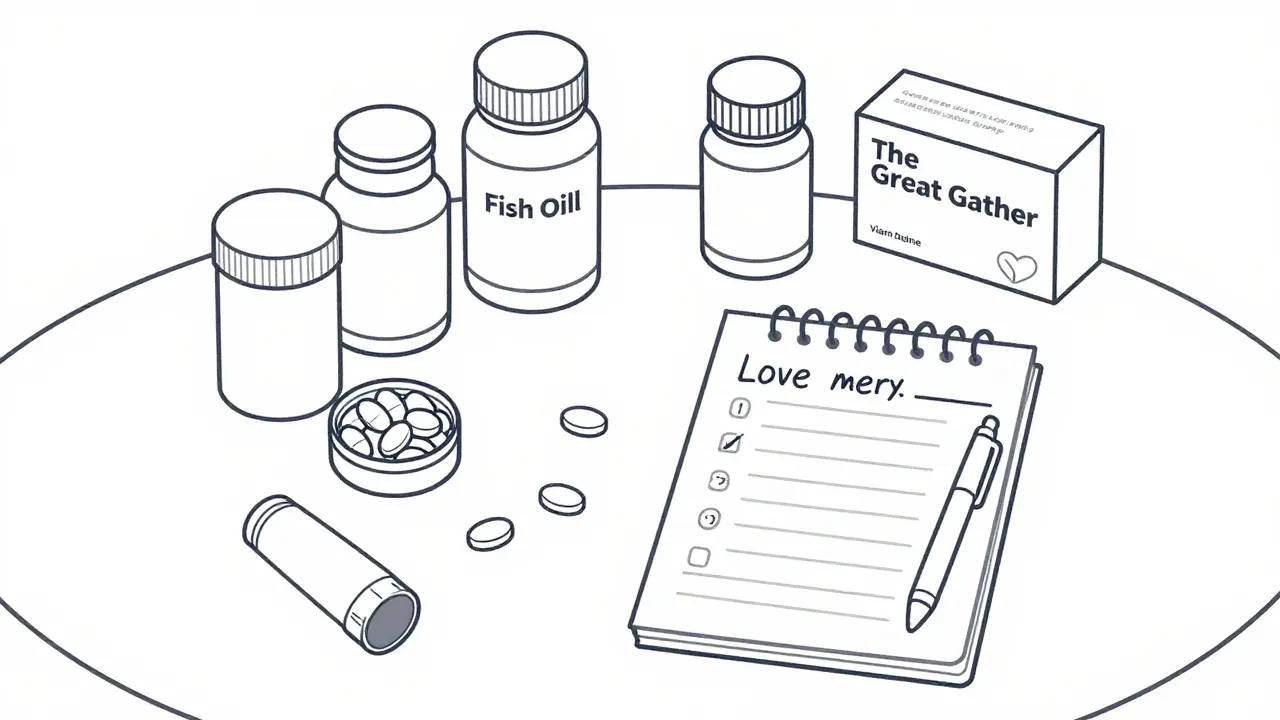
The biggest mistake people make is showing up with a handwritten list from memory. Studies show that patients typically omit 2 to 3 medications when reporting from memory. To get the most out of your 45-minute session, follow these steps:
- The Great Gather (20-30 mins): Collect every single bottle, box, and blister pack. Don't forget the "natural" stuff. Bring your multivitamins, fish oil, St. John's Wort, or any creams and ointments. Bring them in their original containers so the pharmacist can see the exact dosage and expiration date.
- Create a Medication Timeline (30-45 mins): Note down when you started each drug and any recent changes. Did your doctor increase your blood pressure dose last month? Did you stop taking a statin because of muscle pain? Having this timeline prevents the pharmacist from guessing.
- Log Your Concerns (15-20 mins): Write down specific questions. Instead of "I feel weird," try "I feel dizzy for an hour after taking my morning pill." Note any side effects, trouble swallowing large tablets, or costs that make you want to skip doses.
- Gather Recent Health Data (10-15 mins): Bring your most recent lab results or a summary of any hospitalizations from the last year. Medication needs often change after a health event, and these documents provide the "why" behind your current prescriptions.
Common Pitfalls to Avoid
Many seniors find the process frustrating when they aren't prepared. One common story involves patients arriving without their bottles, forcing the pharmacist to rely on claims data. While claims data shows what was paid for, it doesn't show if you're actually taking the drug or if you've switched to a generic version bought at a different pharmacy. This leads to rescheduled appointments and wasted time.
Another trap is the "invisible" medication. Many people don't consider eye drops, inhalers, or patches as "medication." In reality, these can have powerful interactions with oral drugs. If it goes into or on your body, it needs to be on the table during your CMR.

Making the Most of the Conversation
Once you're in the meeting, be honest about your struggles. If you forget your pills three times a week, tell the pharmacist. They aren't there to judge you; they're there to help. They might suggest a pill organizer, a different dosing schedule, or even a different medication that is easier to manage.
If you have a family member or a caregiver who helps manage your meds, bring them along. They often notice side effects or missed doses that you might overlook. Having a second set of ears ensures that the instructions for your Medication Action Plan are crystal clear.
Is the Annual Medication Review free?
Yes, for those who are eligible and targeted by their plan, the CMR is a covered service provided by Medicare Part D insurers as part of their MTM requirements.
How long does a typical CMR take?
The actual consultation usually takes between 30 to 60 minutes, depending on the complexity of your medication list. However, you should budget about 60-90 minutes of preparation time beforehand to gather your supplies and notes.
Can I do my review over the phone?
Yes. CMS allows CMRs to be conducted person-to-person or via telehealth technologies. If you choose a phone or video call, it is even more critical that you have all your medication bottles in front of you during the call.
What happens if I don't qualify for a CMR?
If you don't meet the specific chronic condition or cost thresholds, you won't be automatically targeted for a CMR. However, you can still ask your primary care doctor or local pharmacist to do a manual medication review. It just won't follow the same standardized CMS format.
What is the difference between a CMR and a regular pharmacy consultation?
A regular consultation is usually brief and focused on one specific drug. A CMR is a comprehensive, holistic look at every drug and supplement you use, resulting in a formal written summary (the Consultation Letter, Medication Action Plan, and Personal Medication List).
Next Steps for a Successful Review
If you've just received your notification for a review, start by blocking out an hour this weekend to gather your bottles and write your questions. If you have complex needs-say, more than eight medications-give yourself a bit more time to organize your timeline. Once your appointment is set, set a reminder on your calendar to put all your meds in a single bag by the front door the night before. This simple step ensures you don't leave behind a single pill, making the review as effective and safe as possible.

11 Comments
My dad always forgets his vitamins when he goes to these things. It is so easy to overlook the stuff that doesn't come from a pharmacy bottle but can still mess with your blood pressure meds
This is a wonderful resource! Please encourage your loved ones to organize their medications today. It truly makes a difference in quality of care!
Bringing a bag of all the bottles is such a good idea! 💊👍
Most people just don't get how basic this is. If you can't even manage a simple list of pills you are basically asking for a medical disaster. I've seen so many people fail at this because they think the pharmacist is a magician who can read their minds. You have to be proactive or you're just wasting everyone's time including the taxpayers' money. It's honestly pathetic that a guide is even needed for something this straightforward but here we are in a world where people can't follow a checklist. Just do the work and stop complaining about the process when you show up empty handed and then act surprised when the doctor doesn't know what's wrong with you. It's not rocket science it's just basic organization skills which seem to be extinct these days
the idea of a personal medication list is interesting because it shifts the burden of memory to a piece of paper which lets the mind focus on the actual feeling of the body
Why are they so eager to get a full list of everything you take? It's just another way for the government and big pharma to track exactly what's in your system so they can adjust the dosages to keep you dependent on the meds! Once they have your whole list they can cross-reference it with everything else they have on you in their databases. Don't trust the "safety check" narrative because it's really just a data mining operation disguised as healthcare. They want to know every herbal tea and supplement you use so they can tell you it's "dangerous" and push you back toward the expensive prescriptions they profit from. Be careful who you give your full health history to because it never just stays with the pharmacist
Typical government waste. Only in america do we need a 45 minute consultation to tell us not to mix pills. I bet the pharmacist is just checking boxes for a paycheck while the real healthcare system crumbles around us. Just read the pamphlet that comes with the drug for once in your life instead of needing a hand-holding session from a state-funded drone. It's a joke how pampered people have become
stop whining about the system and just follow the steps provided here if you want to stay alive people
list is key
Oh sure, because spending an entire weekend gathering bottles and writing a diary of my dizziness is exactly how I wanted to spend my free time. Truly thrilling stuff
It's okay if you feel overwhelmed by the list. Just take it one bottle at a time and remember that the pharmacist is there to support you, not judge you