
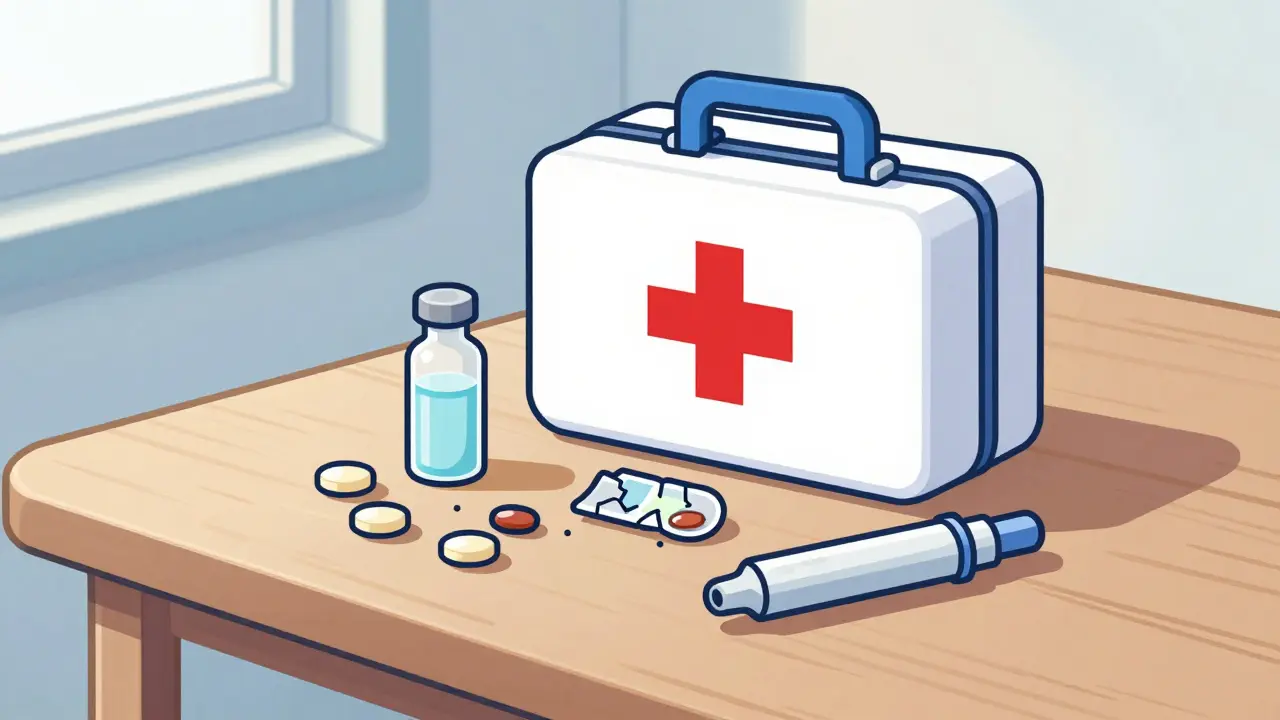
Did you know that 68% of households have at least one expired item in their first-aid kits? That’s a serious risk because expired medication can lose effectiveness or even become unsafe. Let’s break down exactly when to replace them.
Why Expiration Dates Matter for Your First-Aid Kit
The U.S. Food and Drug Administration (FDA) sets expiration dates through rigorous testing. These dates guarantee your medications will work as intended. For example, the Drug Efficacy Study Implementation program started in 1979 to ensure drugs remain safe and effective. But here’s the thing: expiration dates aren’t arbitrary. They’re based on real-world stability studies. If you ignore them, you might not get the help you need during an emergency. Imagine using an expired epinephrine pen during a severe allergic reaction-it might not work when you need it most.
Solid vs Liquid: How Different Medications Degrade
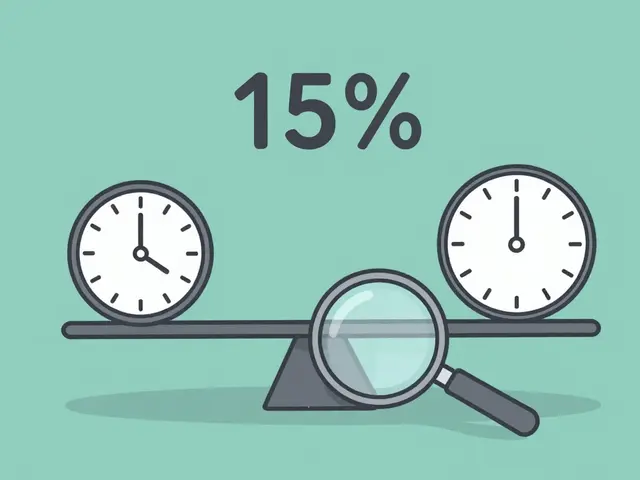
Not all medications expire the same way. Solid pills like ibuprofen and acetaminophen stay stable much longer than liquids. A 2019 U.S. Department of Defense study found that 80% of unopened solid pain relievers retained over 90% potency even 15 years past their expiration date when stored properly. On the flip side, liquid medications like epinephrine auto-injectors degrade quickly. Mylan Pharmaceuticals data shows these pens lose 20-30% effectiveness within six months of expiration. Hydrogen peroxide, a common antiseptic, becomes useless just 30 days after opening regardless of the printed date. Hydrocortisone cream? A 2023 FDA analysis found 47% of samples developed bacterial contamination six months past expiration. This is why it’s critical to know what’s in your kit and how each item behaves.
| Medication Type | Stability Past Expiration | Critical Replacement Time |
|---|---|---|
| ibuprofen | Up to 15 years unopened, properly stored | 6 months post-expiration for minor issues |
| acetaminophen | Up to 15 years unopened, properly stored | 6 months post-expiration for minor issues |
| epinephrine auto-injectors | Loses 20-30% potency within 6 months of expiration | Replace immediately upon expiration |
| hydrocortisone cream | 47% risk of bacterial contamination 6 months past expiration | Replace immediately after expiration |
| hydrogen peroxide | Loses effectiveness in 30 days after opening | Replace every 30 days after opening |
| nitroglycerine tablets | Rapid degradation after opening | Replace every 3-6 months after opening |
| adhesive bandages | Loses 40% stickiness after 18 months | Replace after 18 months |
Where You Store Matters More Than You Think
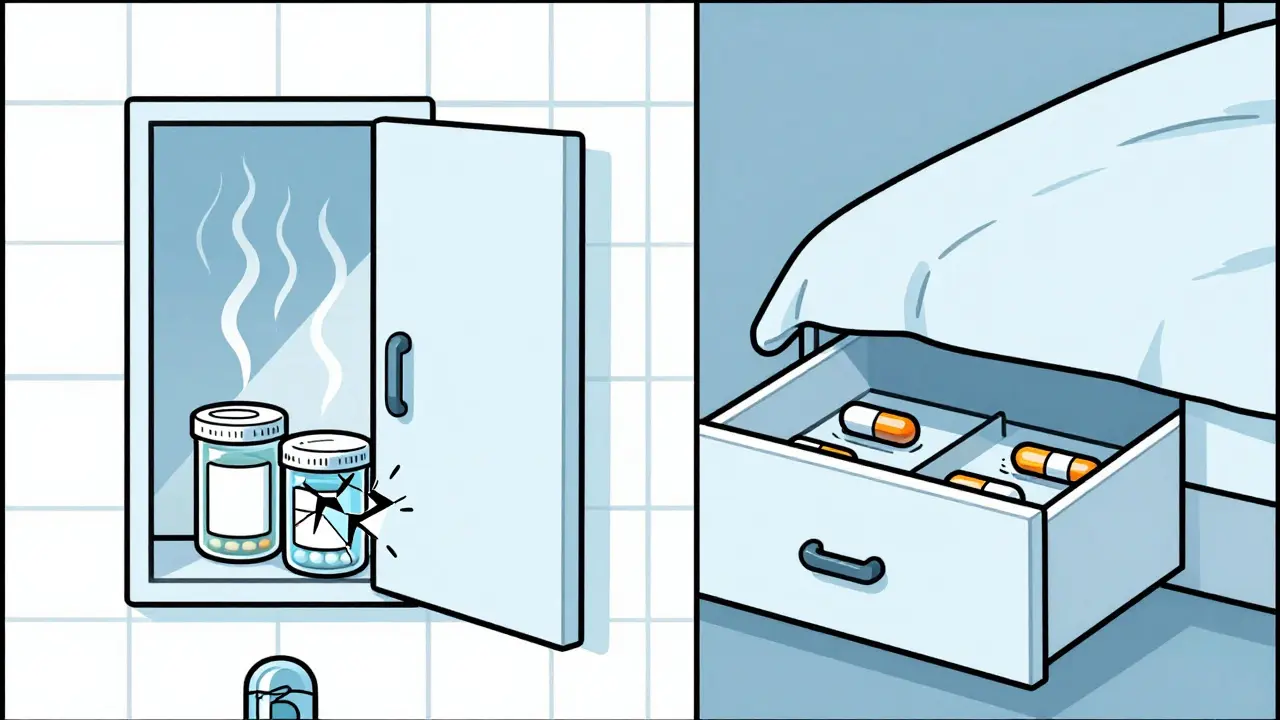
Storing your first-aid kit in the wrong place can speed up expiration. A 2022 Johns Hopkins study found medications stored in bathroom cabinets (75% humidity, 28°C) lost potency 40% faster than those in bedroom drawers (45% humidity, 22°C). Heat and moisture are the main culprits. Keep your kit in a cool, dry place like a closet or drawer-not the bathroom or car. The FDA recommends using original containers with moisture-absorbing packets. Transferring pills to a pill organizer? That cuts shelf life by 35-50%. If you’re using a smart first-aid kit with Bluetooth reminders (like First Aid Only’s system), you’ll get alerts 60 days before expiration. But even then, manual checks are still necessary.
Your Step-by-Step First-Aid Kit Check
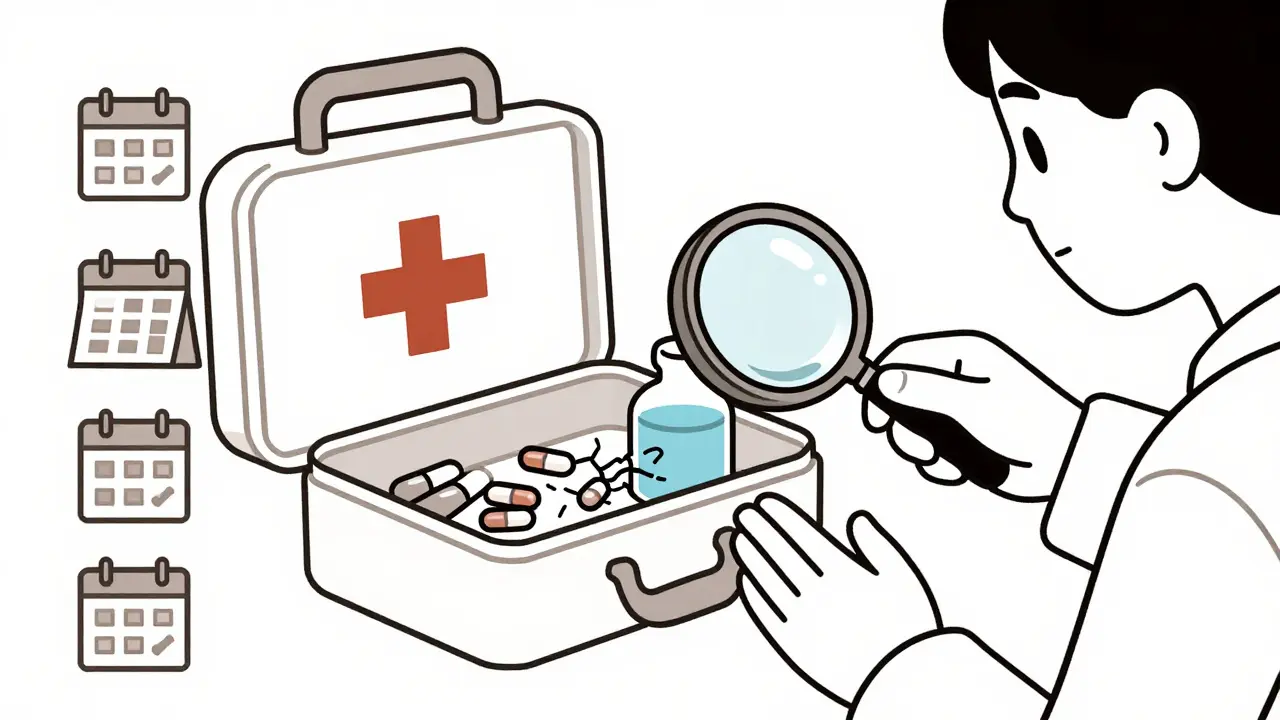
The American Red Cross recommends a simple four-step process for keeping your kit up to date:
- Quarterly visual inspection: Look for discoloration, odd smells, or changes in texture. If a pill is cracked or a liquid is cloudy, toss it.
- Biannual expiration date check: Mark your calendar to review all items every six months. Pay special attention to emergency medications like epinephrine pens and nitroglycerine tablets.
- Replace emergency meds 30 days before expiration: Don’t wait until the last minute. If your epinephrine pen expires in 30 days, get a new one now.
- Annual complete overhaul: Every year, empty your entire kit and replace everything. This ensures nothing slips through the cracks.
Pharmacist-repackaged items need extra care. The University of Michigan College of Pharmacy notes that pills removed from original containers last only 6-12 months instead of the manufacturer’s 2-3 years. Always keep medications in their original packaging when possible.
What to Do If You Have to Use Expired Medication
Life doesn’t always wait for a perfectly stocked kit. In a true emergency, using expired medication is better than nothing-but with caveats. The Cleveland Clinic advises that expired epinephrine or rescue inhalers can be used in life-threatening situations, but you should administer double the standard dose while seeking immediate medical help. However, never use expired antibiotics. A 2021 Institute for Safe Medication Practices warning linked expired topical antibiotics to 127 documented skin infections due to bacterial growth in degraded formulations. For minor issues like headaches, expired ibuprofen might still work (though weaker), but for anything serious, err on the side of caution. As Dr. Michael Reissig, a clinical pharmacist, says: "Very few medications become toxic when past expiration date... most simply lose effectiveness." But in emergencies, partial effectiveness is better than none.
What's Changing in Medication Expiration Rules
Regulations are getting stricter. The FDA now requires manufacturers to submit stability data for 100% of OTC products by December 2025-up from 65% in 2020. OSHA updated workplace safety rules in 2023, fining employers $15,625 per violation for expired first-aid kits. New tech is helping too. Bayer’s QR code packaging gives real-time potency estimates based on storage conditions, and 3M’s temperature-sensitive labels change color if meds get too hot. The American Pharmacists Association’s mobile app scans barcodes to give personalized expiration advice. With these tools, keeping your kit current is easier than ever.
What happens if I use expired ibuprofen?
Expired ibuprofen typically loses some potency but rarely becomes harmful. A 2019 U.S. Department of Defense study found 80% of solid pain relievers retained over 90% potency even 15 years past expiration when stored properly. For minor headaches, it might still work, but for serious pain, replace it. Never use expired ibuprofen for children or if it’s discolored or has an odd smell.
How do I know if my medication has degraded?
Look for visual signs: pills that are cracked or discolored, liquids that are cloudy or have particles, creams that separate or smell odd. Hydrogen peroxide stops bubbling when it’s expired. Epinephrine pens may have discoloration or particles. If you’re unsure, throw it out-safety first. The American Red Cross recommends quarterly visual checks for these signs.
Can I still use expired epinephrine in an emergency?
Yes, but with caution. The Cleveland Clinic advises using expired epinephrine in life-threatening allergic reactions while calling 911 immediately. However, it may be less effective-Mylan data shows 20-30% potency loss within six months of expiration. Administer a second dose if symptoms persist, but always seek emergency medical care. Never rely on expired epinephrine for routine use; replace it before expiration.
How often should I check my first-aid kit?
The American Red Cross recommends quarterly visual inspections and biannual expiration date reviews. A full kit overhaul every year is essential. For emergency medications like epinephrine pens and nitroglycerine tablets, replace them 30 days before expiration. Smart first-aid kits with Bluetooth reminders (like First Aid Only’s system) can help, but manual checks are still necessary.
Where should I store my first-aid medications?
Keep them in a cool, dry place away from heat and moisture. A bedroom drawer or closet is ideal-bathrooms and cars are bad choices due to humidity and temperature swings. Johns Hopkins research shows medications stored in bathrooms lose potency 40% faster. Always keep medications in their original containers with moisture-absorbing packets. Transferring to pill organizers cuts shelf life by 35-50%.
What’s the safest way to dispose of expired medications?
Never throw them in the trash or flush them down the toilet. The DEA’s National Prescription Drug Take Back Day collects expired medications safely-over 1 million pounds were collected in October 2023. Twenty-two states now mandate pharmaceutical take-back programs. For OTC medications, mix them with coffee grounds or cat litter in a sealed bag before disposal if no take-back option exists. Always check local guidelines for specific disposal rules.
9 Comments
Bathroom storage ruins first-aid meds.
Great point! I always keep my kit in the bedroom drawer now. It's made a big difference. Especially for things like hydrogen peroxide which loses effectiveness fast. I check it every month now.
Expiration dates are necessary The FDA has strict guidelines Ignoring them is dangerous People should follow the rules
FDA is just selling more meds I've used expired epinephrine for years no issues It's all a scam
You're naive FDA tests for safety Expired meds can become toxic I've seen infections from antibiotics Don't be reckless
Many Indian households store meds in hot humid conditions This is why they expire faster Proper storage crucial FDA guidelines apply globally
Storage conditions are a critical factor in medication stability.
Humidity and temperature fluctuations directly impact chemical degradation pathways.
The FDA's stability studies show that even slight variations in storage can lead to significant potency loss.
For instance, hydrogen peroxide loses effectiveness within 30 days of opening due to decomposition.
Epinephrine auto-injectors degrade rapidly when exposed to heat, losing up to 30% potency within six months of expiration.
Proper storage in cool, dry environments is essential for maintaining efficacy.
A 2022 Johns Hopkins study demonstrated that medications stored in bathroom cabinets with 75% humidity and 28°C lose potency 40% faster than those in bedroom drawers at 45% humidity and 22°C.
Transferring pills to pill organizers cuts shelf life by 35-50% compared to original containers.
Manufacturers recommend using original packaging with moisture-absorbing packets for optimal preservation.
The American Red Cross advises quarterly visual inspections for discoloration or odd smells.
Biannual expiration checks are necessary to ensure emergency medications like epinephrine pens are always functional.
Annual complete overhauls prevent unnoticed degradation.
Real-world data shows that expired antibiotics can develop bacterial contamination, posing serious health risks.
Proper disposal methods are equally important to avoid environmental harm.
Adhering to these guidelines ensures safety and effectiveness in any emergency situation.
Some cultures use traditional storage But science says cool dry is best Follow guidelines
FDA controlled by pharma companies They want you to buy new meds Real studies show meds safe past expiry Data is hidden