
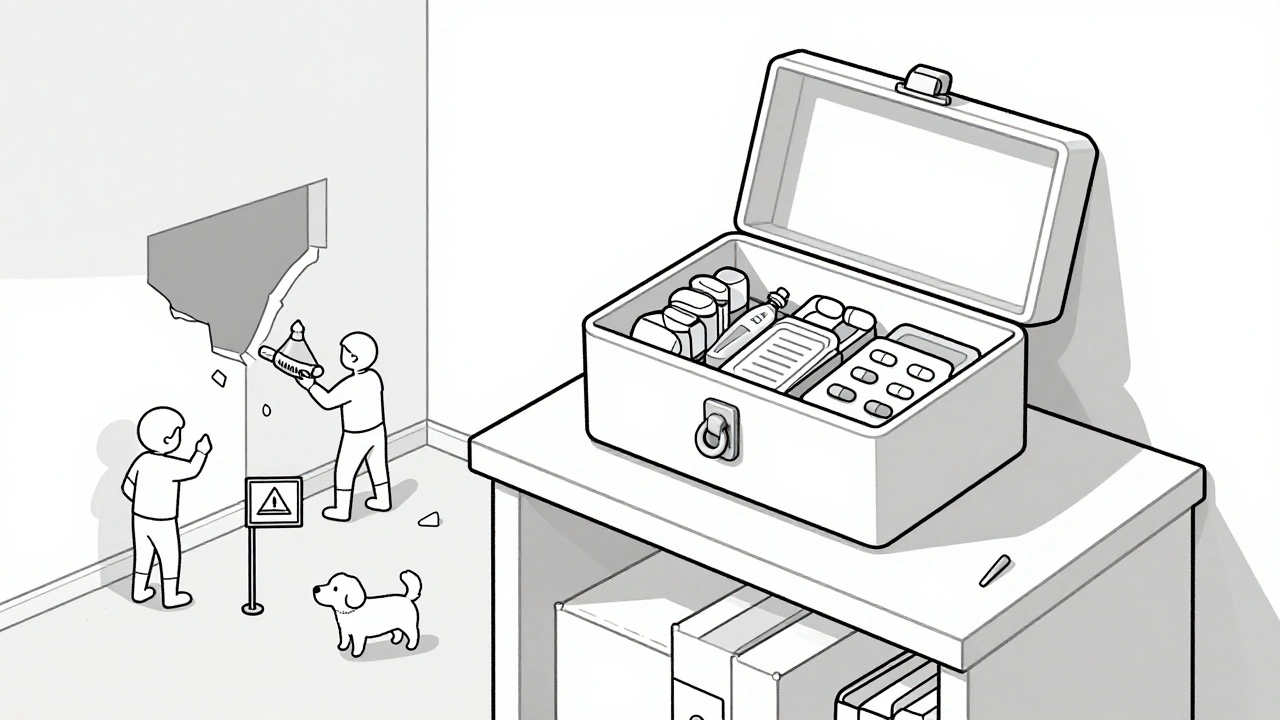
When you’re tearing down walls or packing up your life for a new home, your medications shouldn’t be an afterthought. A pill bottle left on a dusty shelf, insulin sitting in a hot car, or a bottle of opioids tucked in a box with random tools-these aren’t just mistakes. They’re risks. In New Zealand, nearly 1 in 3 adults takes at least one prescription medication regularly. During home renovations or moves, those medications can become dangerous if not handled properly.
Why Medications Are at Risk During Moves and Renovations
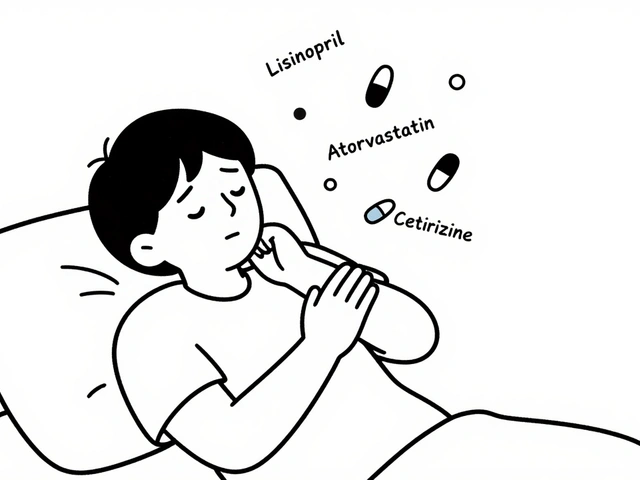
Most people don’t think about their pills until they’re packing boxes. But medications aren’t like books or dishes. They’re sensitive. Heat, moisture, and sunlight can make them weaker-or even toxic. And if kids, pets, or visitors find them? That’s when accidents happen.Medications like fentanyl patches, oxycodone, or even common painkillers can cause overdose in tiny doses. The U.S. Environmental Protection Agency says 55% of Americans keep prescription drugs at home. In New Zealand, the numbers are similar. Yet, no official guide tells you how to handle them when your house is under construction or you’re moving across town.
Here’s what actually happens: pills get tossed in a cardboard box with clothes. Insulin sits in the trunk for hours. Old antibiotics are shoved into a drawer because “maybe I’ll need them later.” That’s not just careless-it’s dangerous.
Where to Store Medications During Renovations
If you’re remodeling your kitchen or bathroom, you’re probably losing your main medicine cabinet. Don’t panic. You just need a new spot that meets three rules: cool, dry, and locked.Temperature matters. Most pills need to stay between 15°C and 25°C. That’s room temperature-not a garage, not a sunlit hallway, not a shed. If your house is being rewired or insulated, the temperature can swing wildly. Keep your meds away from windows, radiators, and vents.
Choose a locked cabinet in a part of the house that’s untouched by the renovation. A bedroom closet, a locked drawer in the living room, or even a small safe you can buy for under $50 will do. Don’t use the bathroom-even if it’s not being renovated. Steam from showers ruins pills. Moisture makes them break down faster. Blood glucose strips fail in humid air. Pills do too.
Label everything clearly. Use masking tape and a marker to write: “MEDICATIONS-DO NOT TOUCH.” If you have children or grandchildren visiting, tell them: “This box is off-limits.” Don’t assume they’ll understand. Kids are curious. And some medications look like candy.
How to Pack Medications for a Move
Packing meds for a move isn’t like packing socks. You need to treat them like fragile electronics.First, don’t throw them in a box with books or tools. Use a small, sturdy container-like a plastic storage bin with a tight lid. Line it with bubble wrap if you’re moving in winter or summer. Heat and cold can ruin medications just as much as moisture.
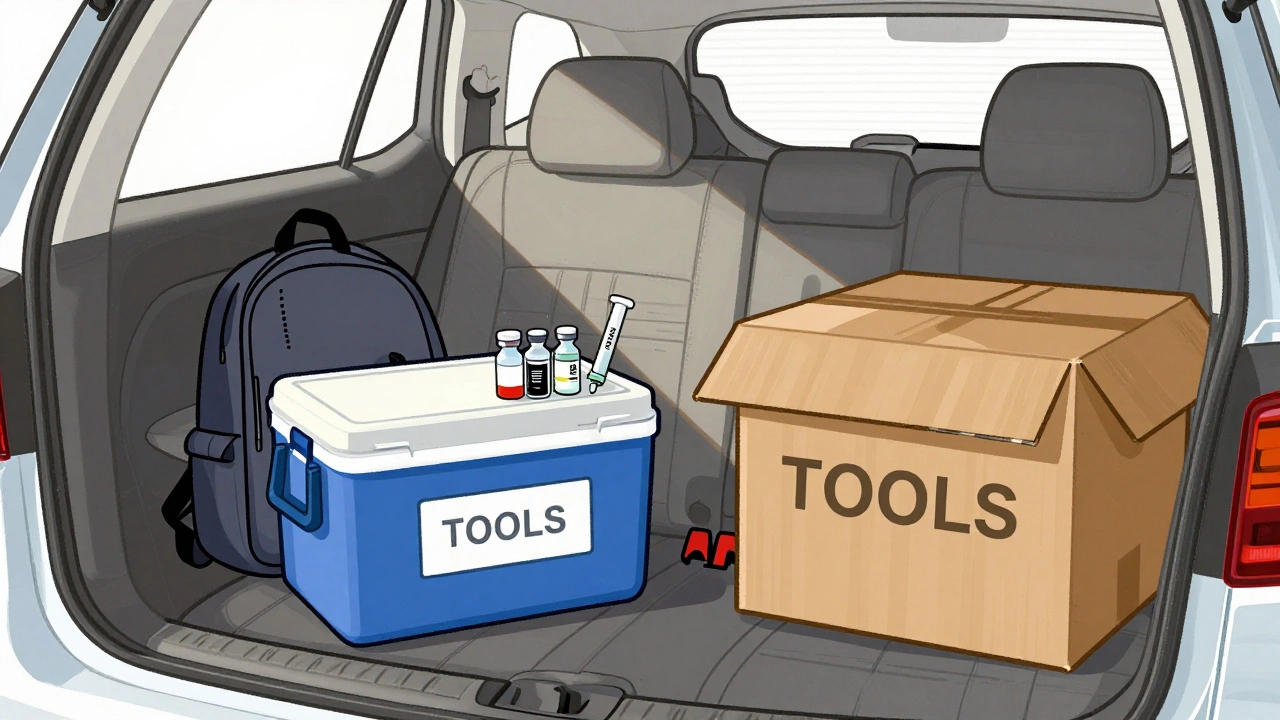
Keep them with you. Don’t let movers pack your pills. Put them in a carry-on bag, a backpack, or a tote you keep beside you in the car. If you’re driving, keep them inside the cabin-not the trunk. A car can hit 50°C on a summer day. That’s enough to melt patches, warp capsules, and ruin insulin.
Insulin, epinephrine pens, and other refrigerated meds need special care. They must stay between 2°C and 8°C. If you’re moving more than a few hours away, use a small cooler with ice packs. Don’t let them freeze. Frozen insulin is useless. You can’t tell by looking. Once it’s frozen, it’s ruined.
Always keep pills in their original bottles. No dumping into ziplock bags. The label has your name, the doctor’s name, dosage, and expiration date. If you lose that, you risk taking the wrong pill-or worse, giving someone else your medicine.
What to Do With Old or Expired Medications
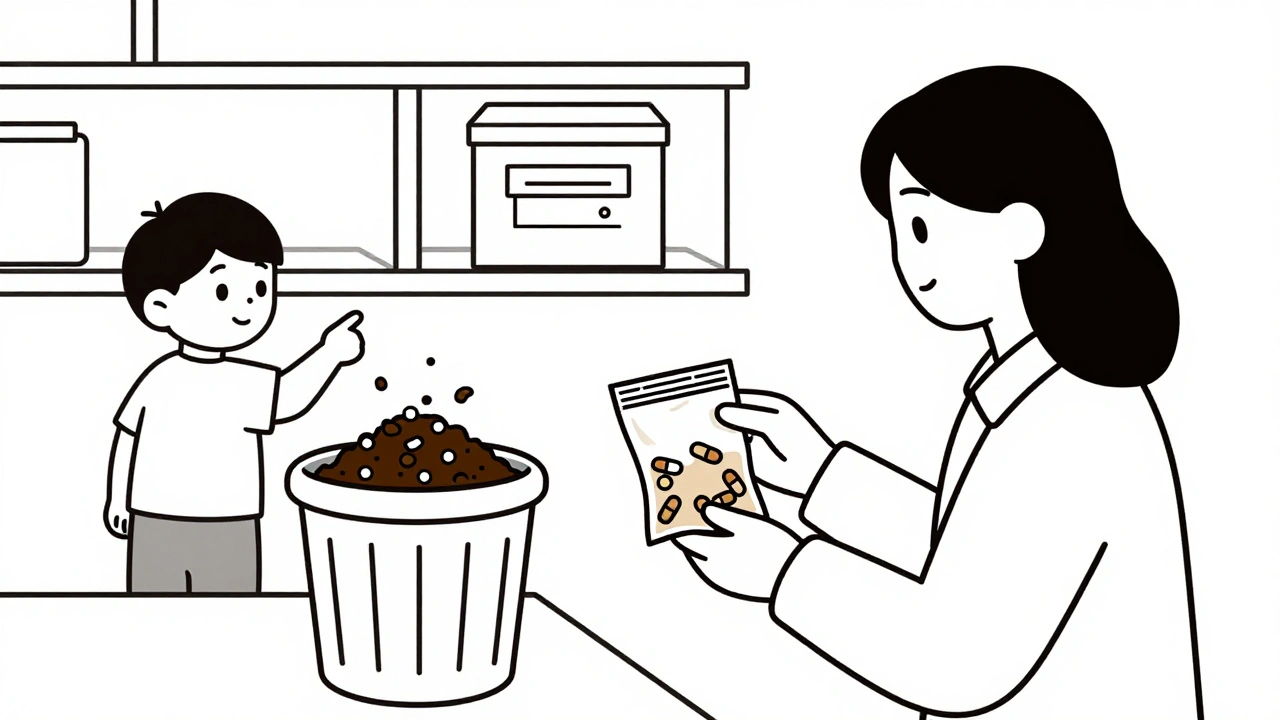
Before you move, clean out your medicine cabinet. Toss anything you haven’t used in over a year. Or anything that’s expired. But don’t just throw it in the trash.The safest way? Take them to a pharmacy that offers a take-back program. In New Zealand, many pharmacies run these programs. You drop off old pills, and they’re incinerated safely. No pollution. No risk to kids or wildlife.
If there’s no take-back option nearby, here’s what to do: Remove pills from their bottles. Mix them with something unappetizing-used coffee grounds, cat litter, or dirt. Put the mixture in a sealed plastic bag. Then throw it in the trash. This stops people from digging through your bin and finding pills.
Some drugs are dangerous enough to flush. Fentanyl patches, certain opioids, and a few others can kill someone in seconds if found by accident. Check the label or ask your pharmacist. If it says “flush,” do it. Don’t wait. Your safety matters more than the environment in these cases.
Keep Kids and Pets Safe
Children and pets are the biggest risk during moves and renovations. They explore. They climb. They chew.During renovations, keep all medications in a locked space-high enough that a child can’t reach, even on a chair. A locked cabinet on the highest wall in the unused room is ideal. If you’re using a small safe, make sure it’s bolted down or heavy enough that a toddler can’t drag it.
For pets, it’s even simpler. Dogs will eat anything. Cats will lick anything. A single pill of ibuprofen can cause kidney failure in a dog. A single dose of acetaminophen can kill a cat. Keep all meds out of reach. Even if you think your pet is “too smart,” they’re not.
During the move, keep a small travel bag with daily meds for kids and pets. Don’t leave it in the car. Don’t leave it unattended. Treat it like your phone or wallet.
When to Talk to Your Doctor or Pharmacist
Don’t guess. If you’re unsure about any medication, call your doctor or pharmacist. Especially if you have:- Insulin, epinephrine, or other temperature-sensitive drugs
- Controlled substances like opioids or benzodiazepines
- Medications with unclear expiration dates
- Drugs that are hard to replace (like rare specialty meds)
Your pharmacist can tell you if your meds can be safely stored in a cooler, if they need special handling, or if you should get a new supply before moving. Some pharmacies will even mail you a fresh supply if your current one won’t survive the move.
Ask: “Is this medication safe to move? How do I store it during the transition?” Simple questions like this can prevent hospital visits.
Final Checklist: Your Medication Move Plan
Before you start packing, run through this:- Sort all meds: keep, toss, or flush (check labels)
- Take expired or unused meds to a pharmacy take-back drop-off
- Keep daily meds in original bottles with labels
- Pack meds in a small, insulated container
- Keep them with you during transport-not in the trunk
- Store them in a cool, dry, locked space in your new home before unpacking anything else
- Update your medication list with your new doctor or pharmacy
Medications aren’t clutter. They’re lifelines. Whether you’re taking them for high blood pressure, diabetes, anxiety, or chronic pain, they keep you alive. Don’t let a renovation or move put them at risk.
Can I store my medications in the garage during renovations?
No. Garages get too hot in summer and too cold in winter. Most medications need to stay between 15°C and 25°C. Heat and freezing can destroy them. Even if the garage feels fine, temperature swings happen without you noticing. Keep meds inside the main living area, away from windows and vents.
What if I don’t have a locked cabinet?
Use a small lockbox or a locked toolbox. Even a sturdy plastic container with a padlock works. The goal is to prevent access by children, pets, or visitors. You don’t need a fancy safe-just something that can’t be opened easily. Some pharmacies sell low-cost medication lockboxes for under $30.
Can I throw pills in the toilet?
Only if the label says to. Most pills should be mixed with coffee grounds or cat litter and thrown in the trash. But certain powerful drugs like fentanyl patches or certain opioids can be flushed because they’re so dangerous if found. Check your medication’s leaflet or ask your pharmacist. When in doubt, take them to a pharmacy take-back program.
What about insulin during a move?
Insulin must stay between 2°C and 8°C. Use a small cooler with ice packs. Never freeze it-frozen insulin is useless. Keep it with you in the car, not in the trunk. If you’re moving more than a few hours away, ask your pharmacy if they can provide a fresh supply for the first week at your new home. Don’t risk it.
How do I know if my pills are still good after being moved?
Check the color, smell, and texture. If pills are discolored, cracked, sticky, or smell odd, don’t take them. If you’re unsure, take them to a pharmacist. They can tell you if it’s safe. Never guess. It’s better to replace a pill than risk side effects or overdose.
15 Comments
I just moved last month and totally forgot about my meds until I found my grandma's old painkillers in a box with old socks. 😅 Thanks for the reminder-now I’ve got them in a locked lunchbox in my bedroom. Life saver.
This is the kind of common sense that gets lost in the chaos of modern life. People treat meds like disposable clutter-until someone dies. The fact that we need a guide for this says everything about how broken our healthcare and home culture has become.
OMG YES. I’m a pharmacy tech and I’ve seen the aftermath-kids with opioid rash, dogs vomiting after eating a single oxycodone. It’s not a horror movie, it’s Tuesday in suburbia. The ‘mix with cat litter’ trick? Genius. I’ve started handing out little printed cards to clients: ‘Your meds aren’t snacks. Your cat isn’t a trash can.’ 🧠💥
I don’t even have meds. But I read this and felt like I was being scolded by a nurse I used to hate. I’m just… here. And now I’m scared of my own bathroom cabinet.
This is why America needs better infrastructure. If you can’t safely store your medication in your own home during a simple move, what does that say about our priorities? We spend billions on pills but zero on educating people on how to not die from them.
You’re right. Medications are lifelines. I’ve seen people lose their minds over a missed dose of blood pressure meds. I keep mine in a locked drawer next to my laptop. Simple. No drama. And I tell every new neighbor the same thing-don’t let your safety be an afterthought. You’re worth more than that.
wait so you cant just toss em in the trash?? like what the heck?? i always just threw em in the bin with the pizza box lol
I love this. I’m from the Midwest and we don’t always think about this stuff until it’s too late. I’m gonna print this out and hang it on my fridge. My niece visits every weekend and she’s 3-she thinks my pill bottles are candy. Thanks for the wake-up call.
In Australia, we’ve got pharmacy take-back bins everywhere. It’s normal. Here’s the thing: if your country doesn’t make safe disposal easy, you’re setting people up to fail. This guide is gold. Share it with your local council. Make it a community thing.
I’ve been helping elderly neighbors move for years. One time, a woman had 17 different bottles in a shoebox. She didn’t even know what half of them were for. I spent two hours sorting them. This checklist? I’m printing 20 copies. You’re doing the work no one else will.
I’m not gonna lie-I thought this was gonna be boring. But honestly? This might be the most important thing I’ve read all year. I’ve got a 78-year-old mom on six meds. I just moved her into a new apartment and I didn’t even think about the trunk of the car. I’m going back right now to get her insulin out of the back seat. You saved her life today. Thank you.
You people are ridiculous. If you can’t handle your own meds, maybe you shouldn’t be on them. This whole post reads like a parenting manual for adults who can’t be trusted with their own bodies. I don’t need a checklist to not poison my kid. I just don’t leave pills lying around. Basic responsibility.
Actually, I think you’re overstating the risk. I’ve moved 5 times. Never had an issue. People panic over pills like they’re nuclear material. Most meds are fine in a box for a few days. This is fear-mongering dressed as advice.
I’m so done with this woke overprotective nonsense. My kids know not to touch pills. My dog knows not to eat weird things. Stop treating everyone like they’re idiots. I keep my meds in the medicine cabinet. End of story. If you can’t parent, don’t have kids. Don’t make the rest of us jump through hoops because you’re lazy.
I just found out my ex left a fentanyl patch in the couch cushion during our divorce. I almost sat on it. I’m crying. I’m calling the police. I’m moving to another state. This is a horror story. Someone needs to write a Netflix docu-series about this.