
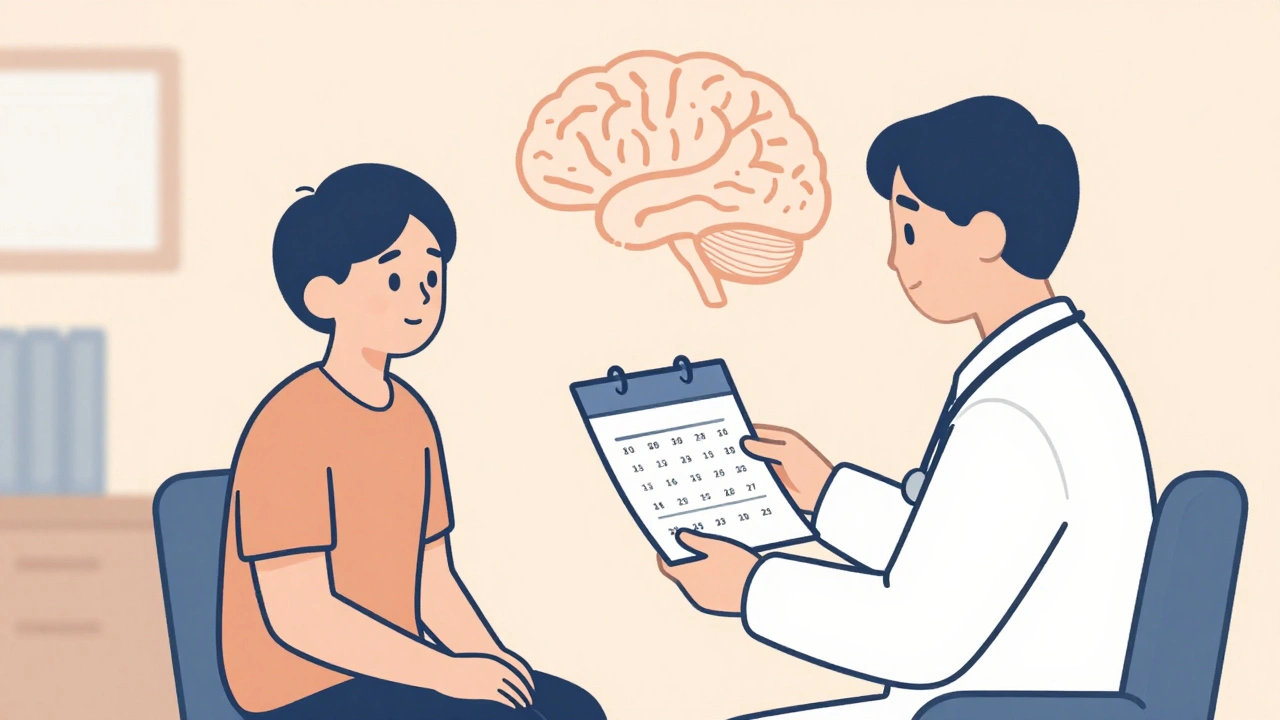
Stopping a medication isn’t as simple as just quitting. If you’ve been taking something for weeks or months-especially antidepressants, benzodiazepines, or opioids-your body adapts. Suddenly cutting it out can trigger withdrawal symptoms that feel worse than the original problem. Anxiety, insomnia, dizziness, brain zaps, nausea, even seizures. These aren’t just "side effects." They’re signs your nervous system is rewiring itself. And if your doctor doesn’t guide you through it, you’re not just at risk for discomfort-you’re at risk for harm.
Why Tapering Isn’t Optional for Some Medications
Not every drug needs a slow exit. But for certain classes, it’s non-negotiable. Benzodiazepines like Xanax or Valium, antidepressants like sertraline or paroxetine, and opioids like oxycodone or hydrocodone all carry real withdrawal risks. The American Society of Addiction Medicine (ASAM) says abrupt discontinuation of long-term benzodiazepine users leads to severe withdrawal in 8-12% of cases. That’s not rare. That’s common enough to be predictable.Why? Because these drugs change brain chemistry. They don’t just mask symptoms-they alter how your brain responds to stress, pain, or low mood. When you remove them too fast, your brain doesn’t have time to readjust. The result? A storm of physical and emotional symptoms that can send you straight to the ER.
Studies show that people who taper slowly are 37% less likely to end up in emergency care after stopping. And 78% stick with a planned taper, compared to just 42% who try to quit cold turkey. This isn’t about being weak. It’s about biology.
How Fast Should You Taper? It Depends
There’s no one-size-fits-all schedule. A taper that works for one person could be dangerous for another. It all depends on:- What medication you’re on
- How long you’ve taken it
- Your dose
- Your age and overall health
- Whether you’re on multiple medications
For benzodiazepines, ASAM’s 2022 guidelines recommend reducing by 5-10% every 1-2 weeks. If you’ve been on it for over six months, the taper might take 4-26 weeks. That’s not a suggestion-it’s a safety protocol.
Opioid tapers are often faster but still need structure. The Department of Veterans Affairs suggests cutting by 20-50% weekly for people without opioid use disorder. But Mayo Clinic’s protocol is slower: 10% reduction every 5-7 days until you hit 30% of your original dose, then 10% weekly after that. Their success rate? 85% without major withdrawal.
Antidepressants are the trickiest. Fluoxetine (Prozac) has a long half-life-you might be able to stop in 1-2 weeks. But paroxetine (Paxil)? That one needs 4-8 weeks. The NIH found that 71% of clinical guidelines recommend gradual tapering for antidepressants. But 43% say it’s okay to skip tapering depending on the drug. That’s confusion. And confusion puts patients at risk.
What Your Doctor Should Say-And What They Often Don’t
Too often, patients hear: “You don’t need this anymore.” Or worse: “Just stop it.” No explanation. No plan. No follow-up.That’s not care. That’s negligence.
Effective communication follows five steps, according to ASAM’s Provider Pocket Guide:
- Assess readiness. Ask: “On a scale of 1 to 10, how ready are you to reduce this med?” If it’s below 7, don’t rush.
- Explain why. Don’t say “it’s bad for you.” Say: “You’ve been on this for 18 months. Your body’s adapted. Stopping suddenly could cause severe anxiety or dizziness. Here’s how we’ll avoid that.”
- Co-create the plan. Give them a written schedule. Include exact doses, timing, and what to do if symptoms appear.
- Set up monitoring. “Call me if you feel dizzy, have panic attacks, or can’t sleep for more than two days.”
- Schedule follow-ups. Weekly for the first month. No exceptions.
Patients who get this kind of conversation are 63% more likely to complete their taper successfully. That’s not magic. That’s respect.
What Patients Really Want (And What They’re Not Getting)
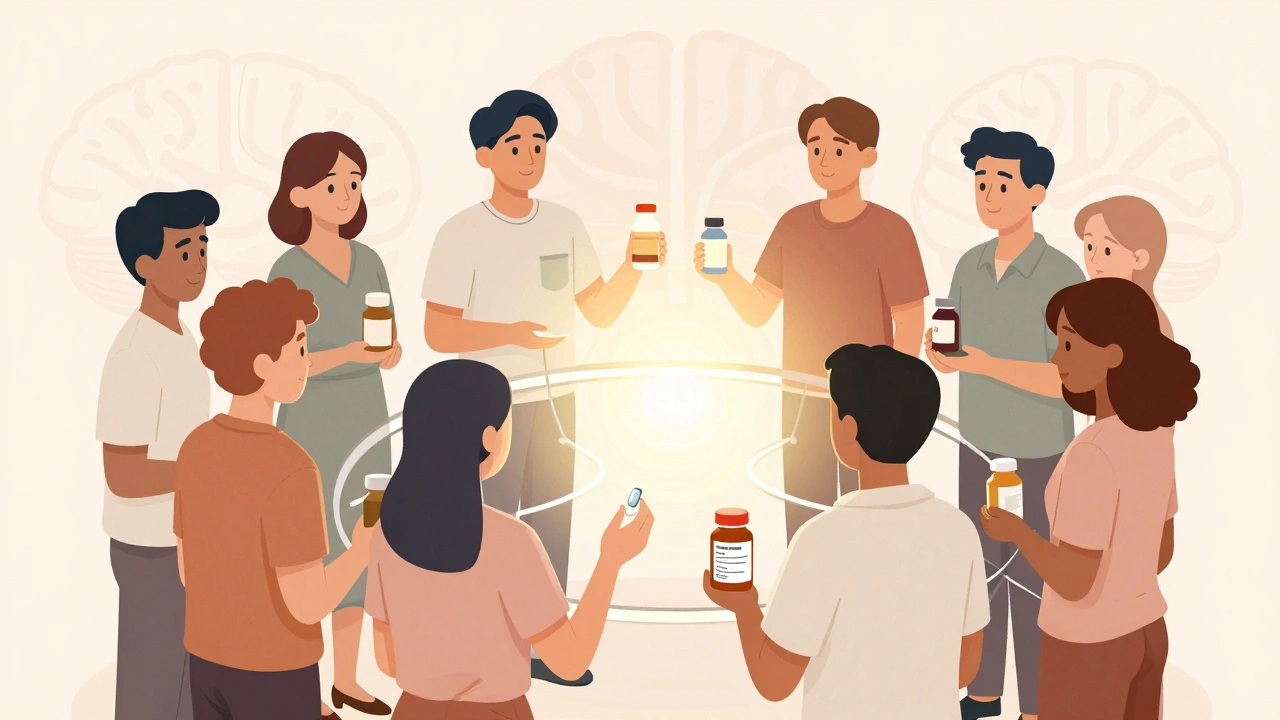
On Reddit’s r/OpiatesRecovery, one user wrote: “My doctor never explained withdrawal would last three weeks. I felt betrayed. I went back to higher doses.” That story isn’t rare. A study found poor communication was the #1 reason tapers failed.What do patients actually want?
- 74% want to know how long withdrawal symptoms will last.
- 58% say anxiety was worse than physical symptoms.
- 79% said they trusted their doctor more when they used their own health data to explain the plan.
- 85% felt supported when their doctor adjusted the pace based on how they felt.
That’s the key: flexibility. A rigid schedule fails. A responsive one works. If you start feeling shaky after a 10% cut, don’t push through. Go back to the last dose and wait a week. That’s not failure-that’s smart.
What to Do If Your Doctor Refuses to Taper
Some providers still believe tapering is unnecessary. Or they’re overwhelmed. Or they’ve never been trained.If your doctor says, “Just stop it,” here’s what to do:
- Ask for a referral to a pain specialist, psychiatrist, or addiction medicine provider.
- Bring printed guidelines: ASAM’s 2022 benzodiazepine taper protocol or CDC’s 2022 opioid guidance.
- Request a written tapering agreement. It’s now part of CDC’s recommended documentation.
- If you’re on Medicare, know this: as of 2023, insurers must approve individualized taper plans for high-dose opioid users. You have a right to one.
Don’t accept dismissal. Your brain deserves better.
What to Watch For-And When to Call for Help
Withdrawal symptoms vary by drug, but common red flags include:- Severe anxiety or panic attacks
- Heart palpitations or chest pain
- Seizures or tremors
- Extreme dizziness or loss of balance
- Thoughts of self-harm
If you experience any of these, contact your provider immediately. Don’t wait. Don’t assume it’s “normal.” It’s not.
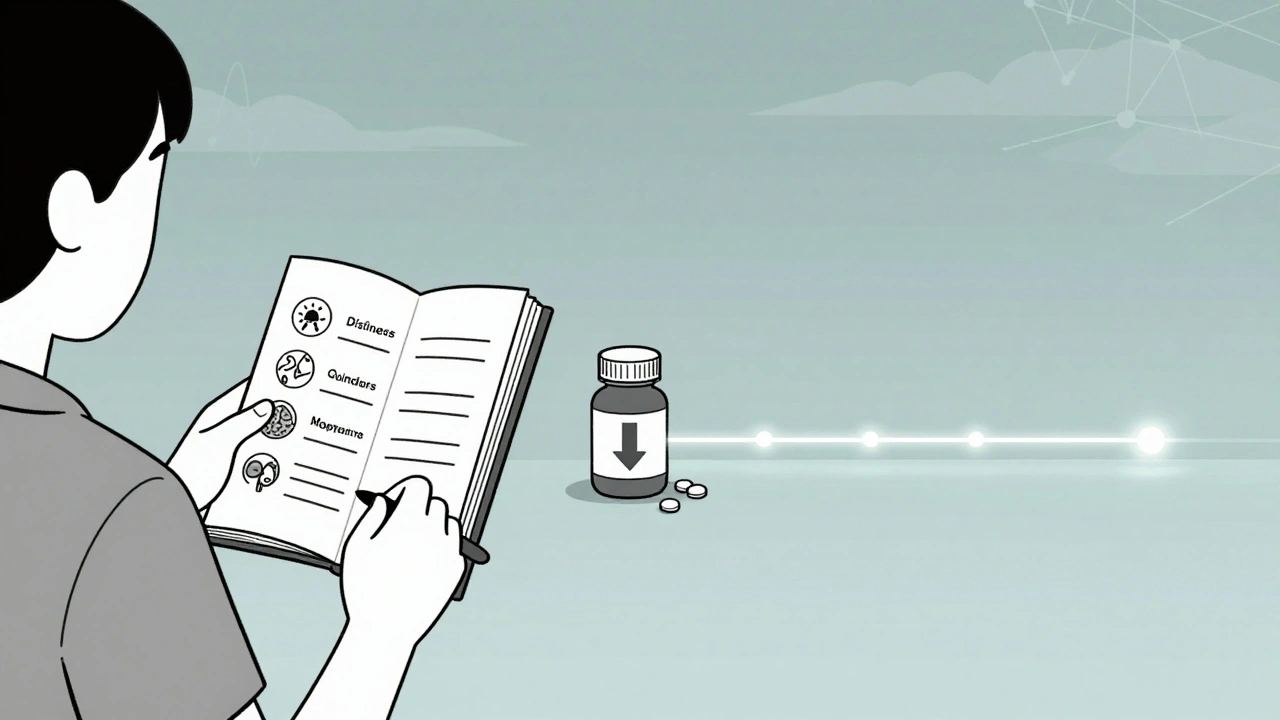
Even milder symptoms-insomnia, nausea, brain zaps-should be tracked. Keep a simple log: date, dose, symptoms, mood. Bring it to every appointment. It tells your doctor more than any guess ever could.
The Future Is Personalized
The next big shift? Personalized tapers. The CDC just released new data showing patients who adjust their own pace within safe limits (called patient-controlled tapering) have 31% less severe withdrawal than those on fixed schedules.And it’s getting smarter. ASAM launched a digital tapering toolkit in 2024 with AI that builds schedules based on your medication, dose, and health history. Clinical trials are now testing whether genetic testing (CYP450 enzyme variants) can predict who needs slower tapers.
By 2027, experts predict this won’t be optional-it’ll be standard. Medicare’s new quality metrics already penalize clinics with high ER visits after medication discontinuation. That’s forcing change.
You’re not asking for special treatment. You’re asking for science-based care. And that’s your right.
Final Thought: This Is About Trust
Stopping medication isn’t just a medical decision. It’s a relational one. It’s about whether your doctor sees you as a person or a chart. The best tapers aren’t the fastest. They’re the ones where you feel heard, respected, and safe.If you’re ready to stop, ask for a plan. If you’re scared, say so. If you feel rushed, push back. Your health isn’t a deadline. It’s a journey-and you don’t have to walk it alone.

12 Comments
Thank you for laying this out with such clarity. I’ve seen too many patients dismissed with a shrug and a prescription refill. This isn’t just medical advice-it’s a call for dignity in care.
I’m a psychiatric nurse and I can confirm: the most successful tapers aren’t the fastest-they’re the ones where the patient feels like they’re in control. Documenting symptoms daily makes a huge difference. Most providers don’t even ask for it.
My cousin tapered off sertraline over 11 weeks using a 5% weekly cut. She had brain zaps but kept a journal. Her doctor adjusted the pace after week 6. She’s been off for 8 months now and says it was the most empowering thing she’s ever done. Not because she quit-but because she was listened to.
Let’s be honest-most physicians are barely literate in pharmacokinetics. They read a 3-page summary from a pharma rep and think they’re experts. ASAM’s guidelines? Most haven’t heard of them. The CDC’s opioid taper protocols? Only 12% of primary care docs can name the key thresholds. This isn’t negligence-it’s systemic incompetence disguised as efficiency.
And don’t get me started on the ‘just stop it’ crowd. If your body adapts to a drug over months, you don’t reverse neuroadaptation with a snap of the fingers. That’s not medicine. That’s amateur hour with a stethoscope.
Meanwhile, the NIH’s 2023 meta-analysis on SSRI discontinuation showed that 68% of patients who received structured tapering protocols reported no moderate-to-severe withdrawal. Compare that to 39% in the cold-turkey cohort. The data is unambiguous. Yet clinics still treat tapering like a favor, not a standard of care.
And yes, fluoxetine’s long half-life makes it an outlier-but that doesn’t excuse prescribing paroxetine without a taper plan. That’s malpractice waiting to happen. If your doctor can’t explain the difference between half-life and receptor occupancy, they shouldn’t be managing psychotropics.
Patients aren’t asking for special treatment. They’re asking for the same level of scientific rigor they’d expect if they were tapering off insulin or antihypertensives. Why is mental health treated like a side project?
Until reimbursement structures change, providers will keep cutting corners. But you? You can demand better. Print the guidelines. Bring them in. Say, ‘I want to follow ASAM protocol.’ Watch their face. Then ask for a referral. You’re not being difficult-you’re being informed.
And if they roll their eyes? Find a new doctor. Your nervous system deserves better than a 3-minute consult and a shrug.
OMG I just got off citalopram after 6 years and my doctor said ‘you’re fine just stop’ and I had like 3 weeks of brain explosions and crying in the shower and my cat looked at me like I was possessed and now I’m terrified to ever take anything again and why does everyone think mental health is optional???
lol so now we need a 26 week plan to quit xanax? next they’ll make us file a form 7b before we stop taking tylenol. people are weak. just suck it up. i quit smoking cold turkey and i never cried in the shower
This is why America’s going to hell. First we tell people they need meds for everything, then we make them feel guilty for taking them. Who even wrote this? Some PhD from a liberal university? My uncle took oxycodone for 10 years and just stopped. He’s fine. No ‘taper.’ No ‘plan.’ Just grit. That’s what we need more of-not more paperwork.
As someone from a country where mental health care is underfunded and stigmatized, I’m grateful for this level of detail. In my home, patients are told to ‘pray harder’ or ‘just be strong.’ This post is a quiet revolution.
Just wanted to say thank you. I’ve been scared to even think about stopping my meds but this made me feel like it’s possible to do it right. You’re not alone.
For anyone reading this and feeling overwhelmed: you’re not weak. You’re not broken. You’re just human. And you deserve a plan that respects your biology-not your doctor’s schedule. Reach out. Save this. Print it. Bring it to your next appointment. You’ve got this.
so we’re telling people to go on a 6 month diet of tiny pills to avoid feeling like they got hit by a bus… but if you want to quit coffee you just stop? i mean… the brain is just a fancy soup with wires, right? why is this so hard? also i spelled ‘tapering’ wrong on purpose because rebellion
Why are we even having this conversation? People just need to stop being so dramatic. If you can’t handle withdrawal, maybe you shouldn’t have taken the drug in the first place. This is why we have a mental health crisis-everyone thinks they’re special.