
Licorice Glycyrrhizin Safety Calculator
How Much Glycyrrhizin Are You Consuming?
Calculate your glycyrrhizin intake from licorice products and see if it's within safe limits.
Most people think of licorice as a sweet, chewy candy-something you grab for a quick treat or maybe use to soothe a sore throat. But what if that candy is quietly messing with your blood pressure, your potassium levels, or even the meds you take every day? It’s not a myth. Licorice isn’t just flavor. It’s a powerful plant with real, measurable effects on your body-and it’s hiding in plain sight.
What’s Really in Your Licorice?
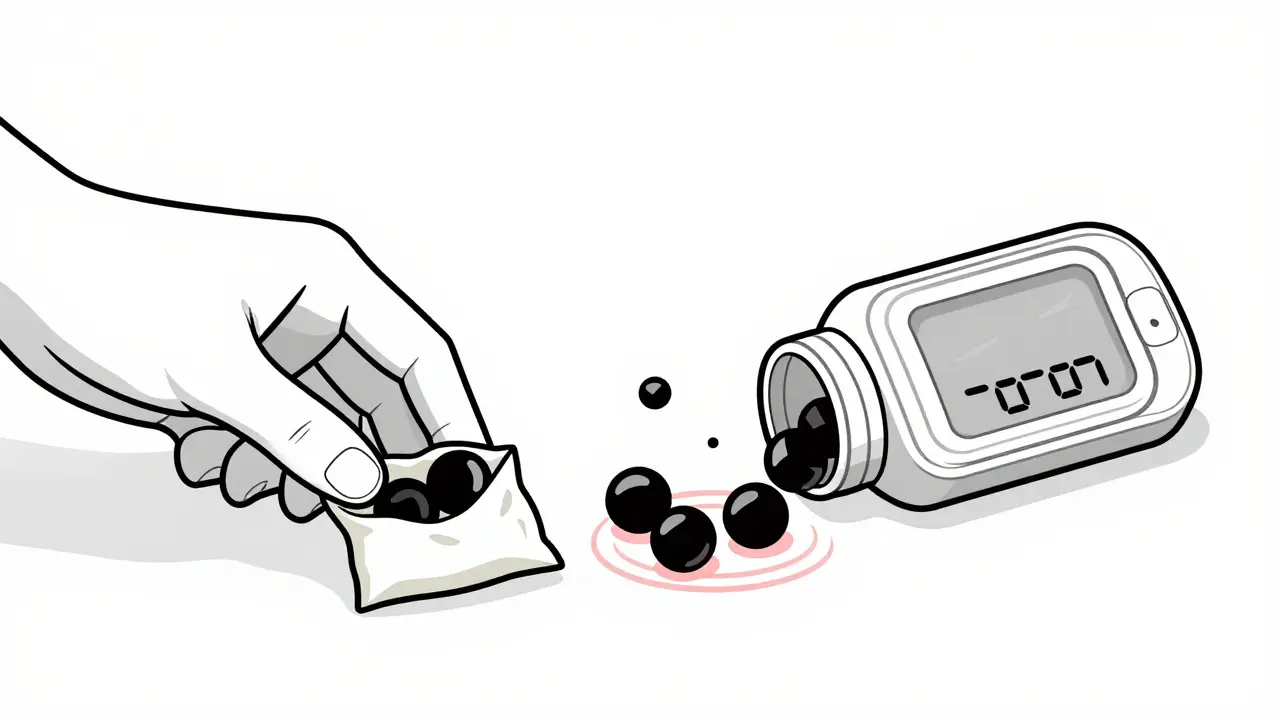
Not all licorice is the same. The kind that causes problems contains glycyrrhizin, a compound from the root of the Glycyrrhiza glabra plant. This is what gives traditional black licorice its deep, earthy taste. But here’s the catch: many candies labeled as "licorice"-especially in the U.S.-are actually flavored with anise oil. No glycyrrhizin. No risk. You’re just eating a sweet that smells like licorice.Real licorice? That’s the dangerous kind. A single 50-gram bag of traditional black licorice candy can contain up to 100 mg of glycyrrhizin. That’s the daily limit set by the European Food Safety Authority for healthy adults. Eat two bags a day for a few weeks? You’re in trouble.
Herbal supplements are even worse. Some licorice extracts contain up to 24% glycyrrhizin. That means a single capsule could pack the same punch as half a bag of candy. And most labels? They don’t tell you how much is in there. A 2023 Consumer Reports survey found that 78% of black licorice products didn’t list glycyrrhizin content at all.
How Licorice Changes Your Body
Glycyrrhizin doesn’t just taste strong-it acts like a hormone. It blocks an enzyme called 11β-HSD2, which normally protects your body from too much cortisol. When that enzyme is blocked, cortisol starts behaving like aldosterone-a hormone that tells your kidneys to hold onto salt and flush out potassium.The result? Your body retains water. You gain weight. Your blood pressure spikes. And your potassium drops. That’s not just inconvenient. It’s dangerous.
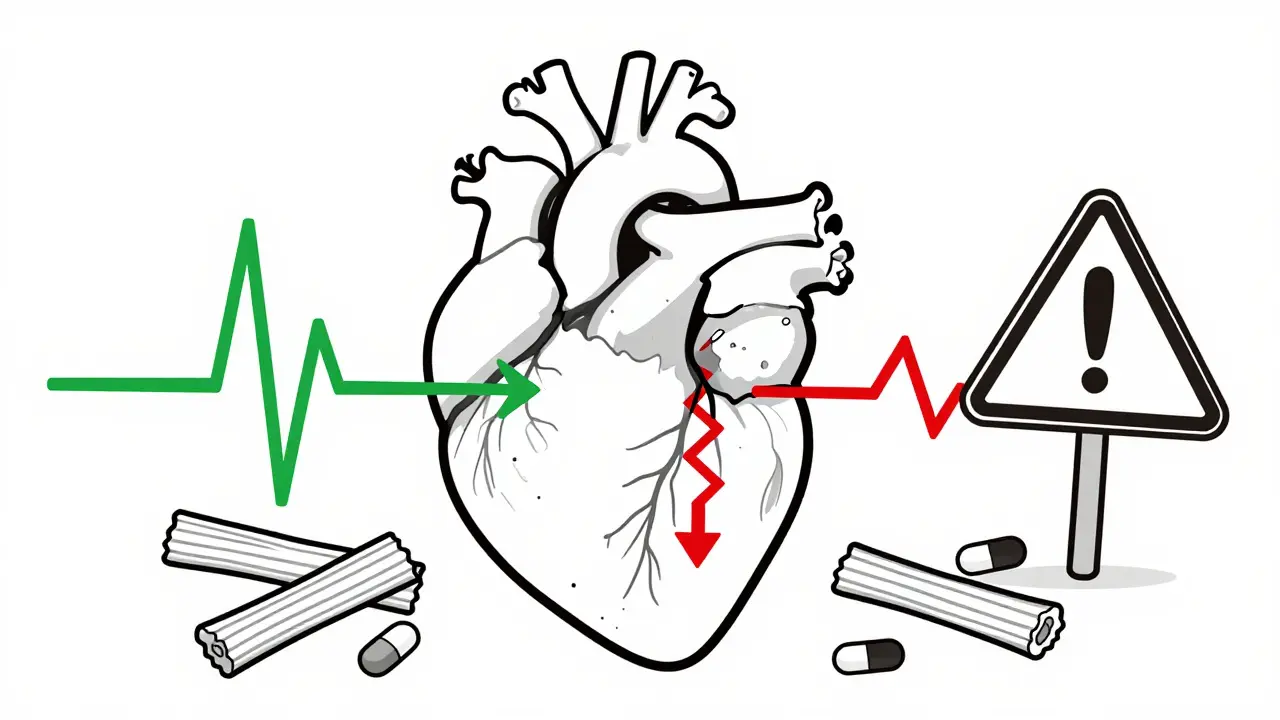
Low potassium can cause muscle cramps, fatigue, and irregular heartbeats. In extreme cases, it leads to cardiac arrest. One 2012 case study described a 47-year-old man who ate 200 grams of licorice daily for three weeks. His potassium plummeted to 2.6 mmol/L (normal is 3.5-5.0). His blood pressure hit 210/120. He ended up in the hospital.
Another case? A woman on fludrocortisone-a steroid that already raises blood pressure-developed panic attacks and a systolic pressure of 205 after eating licorice. Her doctor had no idea the candy was the trigger.
When Licorice Meets Your Meds
This is where it gets real. Licorice doesn’t just affect your body. It interferes with medications you’re already taking.- Diuretics (water pills): If you’re on hydrochlorothiazide or furosemide, your body is already losing potassium. Licorice makes it worse. One study showed patients dropping below 3.0 mmol/L-dangerously low.
- High blood pressure meds: Licorice fights against ACE inhibitors like lisinopril and ARBs. People on these drugs have reported sudden spikes in blood pressure after eating licorice. One Reddit user went from 120/80 to 165/95 in three days.
- Warfarin and other blood thinners: Licorice can either increase or decrease the effect of warfarin. One case showed a patient’s INR (a measure of blood clotting) suddenly dropping after licorice use. Another showed dangerous bleeding. It’s unpredictable.
- Digoxin: Used for heart rhythm issues. Licorice-induced low potassium makes digoxin toxic-even at normal doses. A 2002 case report described a patient with digoxin poisoning after eating licorice, with potassium at 2.8 mmol/L.
- Corticosteroids: Fludrocortisone, prednisone, dexamethasone-these already mimic aldosterone. Add licorice? Your body gets flooded with mineralocorticoid effects. Swelling, high BP, low potassium. It’s a perfect storm.
And it’s not just about what’s in the bottle. Licorice can also interfere with how your liver breaks down drugs. Some compounds in licorice inhibit CYP3A4 and CYP2D6 enzymes-key players in metabolizing everything from statins to antidepressants. Others induce them. The net effect? It depends on the licorice product, your genes, and what else you’re taking. That’s why some people get hit hard, while others seem fine.
DGL: The "Safe" Version?
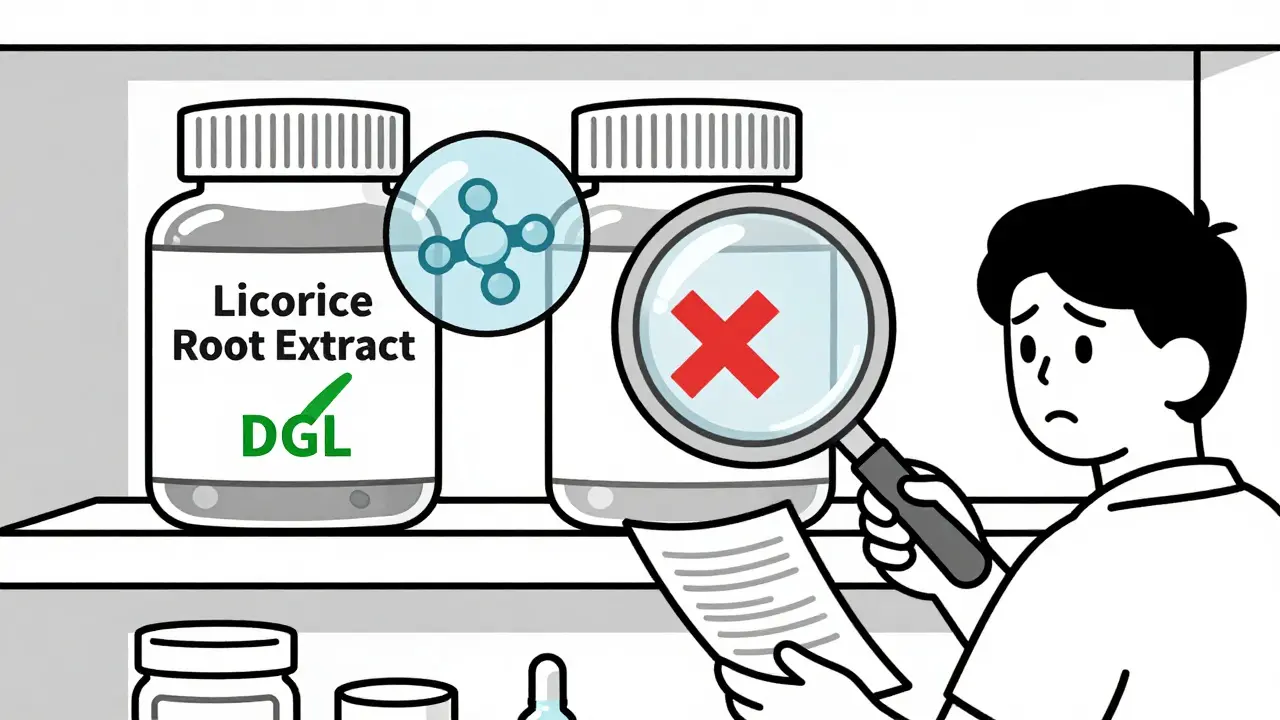
You might see "DGL" on a supplement bottle-Deglycyrrhizinated Licorice. That means most of the glycyrrhizin has been removed. This version is often marketed for stomach ulcers or heartburn. And yes, it’s much safer. DGL contains less than 1% glycyrrhizin. You can take it without worrying about blood pressure or potassium.But here’s the problem: most people don’t know the difference. They see "licorice root extract" and assume it’s the same as the candy they ate as a kid. Labels rarely clarify. If you’re on meds, always check the label for glycyrrhizin content-or better yet, ask your pharmacist.
Who’s at Risk?
It’s not just the elderly or the chronically ill. Anyone taking these meds is vulnerable:- People with high blood pressure or heart disease
- Those on diuretics, steroids, or heart meds
- Older adults (over 60), whose kidneys are less efficient at handling potassium
- People with kidney disease or liver problems
- Anyone consuming more than 100 mg of glycyrrhizin per day for over two weeks
And here’s the kicker: symptoms can be subtle. Fatigue. Headaches. Swollen ankles. A sudden need to pee more. These aren’t red flags-until they are. One patient developed carpal tunnel syndrome from fluid retention caused by licorice. Another had a stroke from a blood clot linked to low potassium.
What Should You Do?
If you take any of these medications, here’s what matters:- Check your candy. If it’s dark, chewy, and tastes like licorice root-not anise-it likely contains glycyrrhizin. Look for "real licorice" on the label. If it’s not there, assume it’s anise.
- Read supplement labels. Avoid anything listing "licorice root extract" unless it says "DGL" or "deglycyrrhizinated."
- Don’t eat more than 50g of black licorice per week. Even that’s pushing it if you’re on meds. Better yet: avoid it entirely.
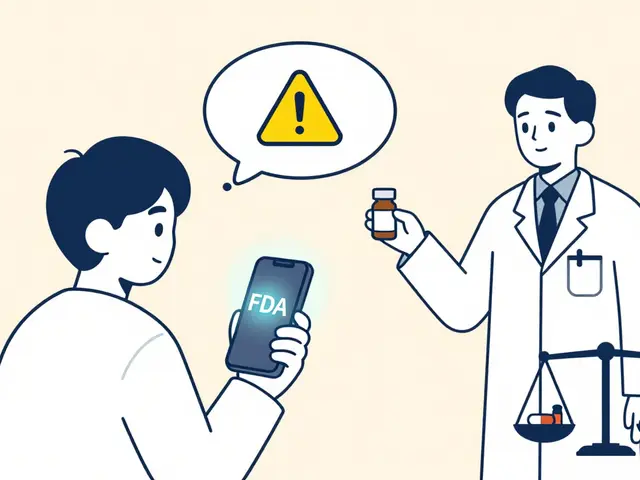
- Ask your pharmacist. Only 37% of community pharmacists in one study could correctly identify all licorice-drug interactions. Don’t assume they know. Bring the label.
- Monitor your body. If you’ve eaten licorice and notice swelling, muscle weakness, or a headache that won’t go away, get your blood pressure and potassium checked.
There’s no official FDA limit for licorice, but the European standard of 100 mg glycyrrhizin per day is the best benchmark we have. That’s about one small bag of candy. Two bags? You’re in the danger zone.
The Bigger Picture
The licorice market is growing-worth over $1.3 billion in 2022. Supplements make up a third of that. But regulation? It’s lagging. The UK requires warning labels on high-glycyrrhizin products. Japan limits supplements to 100 mg/day. The FDA? Still says licorice is "Generally Recognized As Safe." But their own adverse event database recorded 147 cases of licorice-related harm between 2010 and 2020. Nearly half involved high blood pressure. Almost a third involved dangerously low potassium.By 2026, the American Herbal Pharmacopoeia wants all licorice products to list glycyrrhizin content on the label. That’s a step forward. But until then, you’re on your own.
Licorice isn’t evil. It’s not poison. But it’s not harmless, either. It’s a plant with powerful chemistry. And if you’re taking medication, that chemistry can turn a sweet treat into a silent threat.
Can I eat licorice if I’m on blood pressure medication?
It’s not safe. Licorice raises blood pressure by mimicking aldosterone, which causes salt and water retention. If you’re on ACE inhibitors, beta-blockers, or diuretics, licorice directly fights their effect. Even small amounts can cause spikes. Avoid it entirely unless your doctor says otherwise.
Is anise-flavored candy the same as licorice?
No. Anise-flavored candy tastes similar but contains no glycyrrhizin-the compound that causes drug interactions. If the label says "anise oil" or "natural flavor," it’s safe. If it says "licorice root," assume it’s dangerous. Many U.S. brands use anise to mimic licorice flavor without the risks.
How much licorice is too much?
More than 100 mg of glycyrrhizin per day for more than two weeks is risky. That’s roughly 50 grams of traditional black licorice candy. One bag. Two weeks. That’s enough to lower potassium and raise blood pressure. For people on meds, even 20 grams a day can be dangerous.
Can licorice affect my heart rhythm?
Yes. Low potassium from licorice can trigger arrhythmias, especially if you’re taking digoxin. This combination has caused hospitalizations and even death. If you have heart disease or take heart meds, avoid licorice completely.
Should I stop taking licorice supplements before surgery?
Yes. Licorice can interfere with blood pressure control and potassium balance during anesthesia. It can also affect how your body metabolizes some anesthetics. Stop all licorice products at least one week before any procedure-unless your surgeon says otherwise.
What to Do Next
If you’ve been eating licorice and are on medication, don’t panic. But do act. Check your pantry. Read supplement labels. Look for "glycyrrhizin" or "licorice root extract." If you find it, stop. Talk to your doctor or pharmacist. Get a simple blood test to check your potassium and blood pressure. It takes five minutes. It could save your life.Licorice isn’t the enemy. But ignorance is. The next time you reach for that black stick, ask yourself: is this candy-or a hidden drug interaction?
9 Comments
i had no idea licorice could mess with my bp like that. i eat that stuff like candy. guess i'm switching to anise-flavored now. 🤯
if you on blood pressure meds, just avoid black licorice. simple. no need to overthink. your heart will thank you.
Oh please. The FDA says it's 'Generally Recognized As Safe' and suddenly you're acting like licorice is the new fentanyl? People have been eating this for centuries. You're scared of a plant because some lazy blogger wrote a list? Wake up. Most of this is correlation, not causation. I ate a bag a day for months and my labs are perfect. Your fear-mongering is the real danger.
this is wild. i always thought licorice was just a nostalgic snack. now i'm paranoid checking every candy wrapper. 😅
okay but like-i just read this and now i’m sitting here staring at my drawer full of those black licorice ropes i bought last month because they ‘taste like my grandma’s kitchen’ and i’m realizing i’ve been eating them while on my diuretic and also taking that herbal sleep supplement that says ‘licorice root extract’ and i’m pretty sure i’ve been slowly turning into a human water balloon?? like, my ankles have been puffy for weeks and i thought it was the heat but what if it’s the candy?? i’m gonna throw them out and call my pharmacist tomorrow. also, why is this not on the packaging?? why is this not a warning label like cigarettes?? i feel so betrayed by my childhood.
The conflation of culinary flavoring with pharmacologically active botanical extracts is a persistent public health oversight. The absence of standardized glycyrrhizin quantification on consumer products represents a significant regulatory gap. While anecdotal reports abound, the clinical literature remains underutilized in consumer education. One must exercise discernment in distinguishing between flavorants and bioactive agents-a principle that extends far beyond licorice.
thank you for sharing this. i have a friend on warfarin and she loves licorice tea. i’m sending her this right now. 💛 we all need reminders that ‘natural’ doesn’t mean ‘harmless’.
This is amateur hour. You cite a 2023 Consumer Reports survey like it's peer-reviewed science. Most of these cases are outliers with preexisting conditions. You're not educating people-you're creating panic. Real pharmacists know the difference between DGL and glycyrrhizin. If you can't read a label, that's your problem, not the industry's. And don't even get me started on the anise vs licorice confusion-this is basic food science. You're treating a 100-year-old candy like it's a controlled substance.
There's a quiet kind of violence in how we treat food as neutral. We eat without asking what the plant is whispering to our cells. Licorice doesn't scream-it hums. It doesn't shout 'danger'-it waits. It waits until your potassium drops, until your BP spikes, until your heart stutters. And then you wonder why you're tired. Why your ankles swell. Why your meds don't work anymore. We've been taught to fear chemicals in labs, but not the ones growing in the soil. Maybe the real question isn't 'how much is too much?'-but 'why did we stop listening to our bodies before it was too late?'