
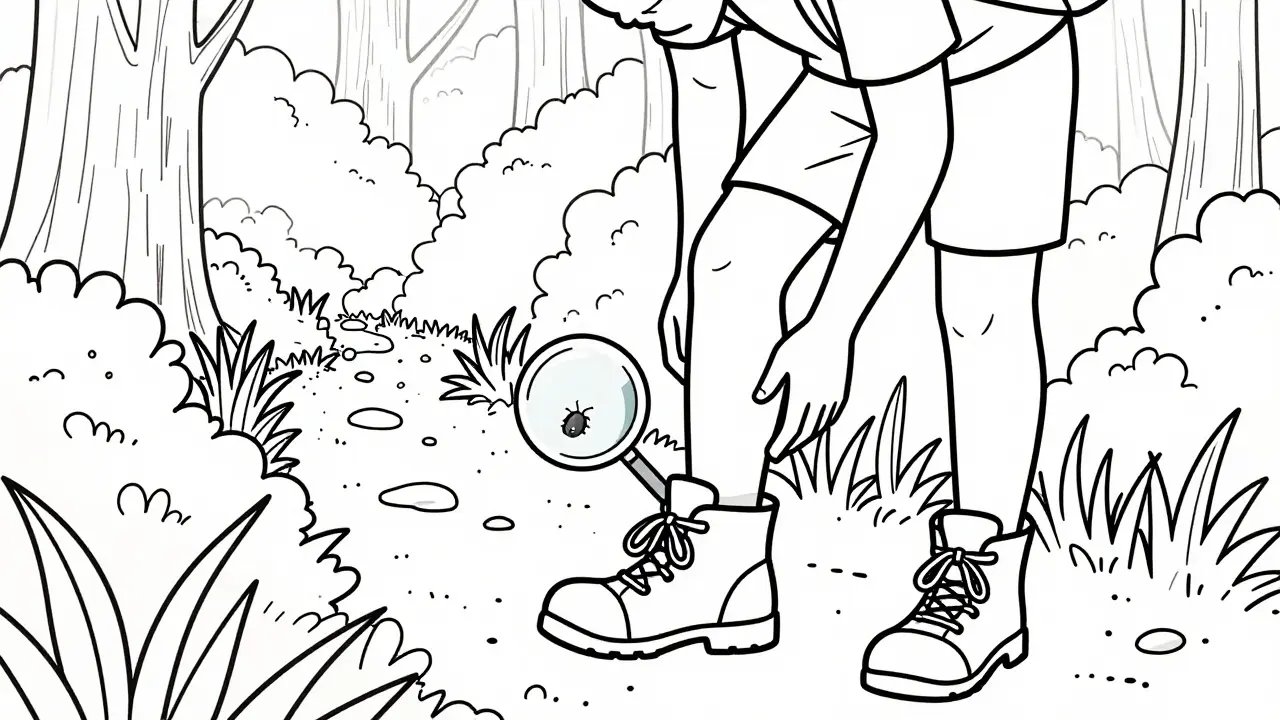
The Quiet Threat in Your Backyard
You've probably heard the warnings before. Don't walk through tall grass without checking your legs. Shake out your shoes after hiking. But for many people, the connection between a tiny bug on their ankle and months of illness isn't clear until it's too late. If you've been scratching your head over why you feel run down all summer, or maybe you found a tick attached to your skin yesterday morning, understanding the timeline of this infection could save you from serious health complications.
Lyme disease, also known scientifically as Lyme borreliosis, is the most common vector-borne illness reported in the United States. It gets its name from Lyme, Connecticut, where doctors first identified a cluster of patients behaving similarly in 1975. While the bacteria causing it were officially discovered by Willy Burgdorfer in 1981, we're still learning how exactly it spreads and settles in the human body. What matters most right now isn't the history; it's knowing the clock starts ticking the second a tick bites you.
The Culprit: A Tiny Bacterium Inside a Tiny Tick
To beat Lyme, you need to know who you're fighting. The bad actor here is a spirochete bacterium called Borrelia burgdorferi. Think of it as a spiral-shaped germ that loves living inside specific types of ticks. Not every tick you find has it, but in the Northeast and Upper Midwest of the U.S., the risk is significant. There are two main types of ticks involved: the Blacklegged tick (Ixodes scapularis) in the East, and the Western blacklegged tick in California. These pests transmit the bacteria when they feed on your blood.
This is where most people get tripped up. A tick doesn't just land and inject poison instantly like a wasp. It has to stay latched on to feed long enough for the bacteria to migrate from the tick's gut to its salivary glands. According to the Centers for Disease Control and Prevention (CDC), this process usually takes more than 24 hours. Some studies suggest it might start sooner under specific conditions, perhaps as early as 15 hours, but the general rule of thumb remains: remove the tick quickly. If you take it off within 24 hours, your risk of getting infected drops by about 95%.
The Progression: How Lyme Changes Over Time
When you do get infected, the disease moves through three distinct stages. Each stage brings different problems, and the timing tells a lot about what might happen next. Medical experts often look at this progression to decide which antibiotic is best suited for you.
Stage 1: Early Localized Symptoms (1 to 28 Days)
This phase begins shortly after the bite. For about 70 to 80 percent of infected people, a specific rash appears on the skin. This isn't just any red spot; it is called erythema migrans, or EM rash. You can recognize it because it expands over several days. Sometimes it clears in the middle, looking like a target or a bull's-eye. This symptom shows up roughly 7 to 14 days after the bite.
Around the same time, you might feel flu-like symptoms. It's easy to mistake this for regular seasonal sickness. You could be running a fever, feeling incredibly tired, suffering from headaches, or dealing with muscle aches. Because the symptoms are vague, many people ignore them until something worse happens.
Stage 2: Early Disseminated Symptoms (Weeks to Months)
If you don't treat the infection during the first month, the bacteria travels. This movement is the real danger. During this stage, the bacteria has spread from your initial bite site into other parts of your body via your bloodstream. You might see multiple rashes appearing in different places, not just one expanding circle. This spreading triggers neurological issues, such as facial palsy, where one side of your face droops. Heart complications are rare but possible; Lyme carditis can mess with your heart rhythm. About 5 to 10 percent of untreated patients end up with facial paralysis, while heart issues affect another 4 to 10 percent.
Stage 3: Late Manifestations (Months to Years)
The late stage is what people often fear most, mostly because it involves persistent pain. If left untreated for months or years, the bacteria settles into joints and connective tissues. You may experience severe swelling and pain, especially in big joints like your knees. Imagine trying to climb stairs when your knee gives you intermittent agony-that's classic late-stage Lyme. Neurological damage can also set in here, including neuropathy or cognitive fog where you struggle to concentrate.
| Stage | Timeframe | Key Symptoms | Treatment Approach |
|---|---|---|---|
| Early Localized | 1-28 days post-bite | Bull's-eye rash, fever, fatigue | Oral antibiotics (10-21 days) |
| Early Disseminated | Weeks to months post-bite | Multiple rashes, facial palsy, heart issues | IV or oral antibiotics (14-28 days) |
| Late Stage | Months to years post-bite | Severe joint pain, nerve damage | Longer antibiotic courses needed |
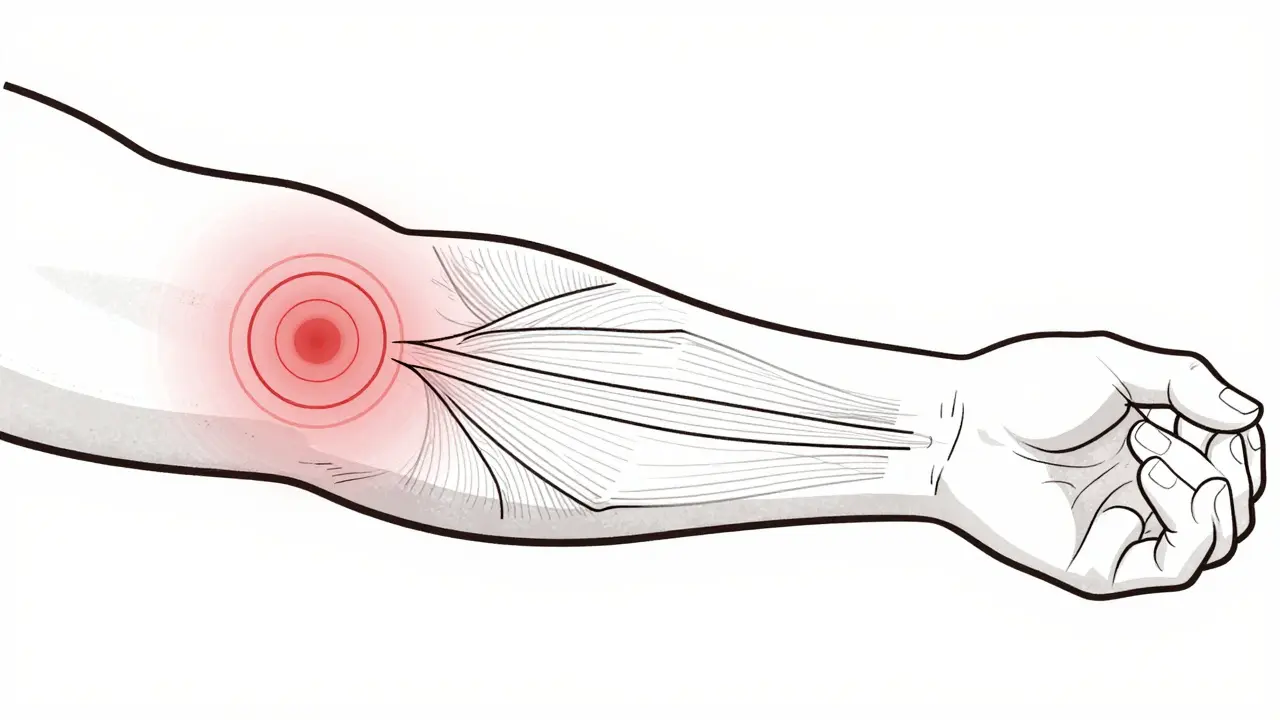
Navigating the Diagnostic Maze
Here is the frustrating reality: testing for Lyme isn't perfect, especially in the beginning. When you first show up to a doctor, your body hasn't made antibodies yet. Most labs use a two-tiered test approach. First, they run an ELISA screen. If that flags positive, they confirm it with a Western Blot. However, in early localized disease, these tests only detect the infection about 30 to 40 percent of the time. Sensitivity jumps to 87 percent once the disease is disseminated.
This gap creates a major problem for patients. Because tests often come back negative early on, doctors rely heavily on physical signs. If you have that classic bull's-eye rash, top experts like Dr. Allen Steere say you should start treatment immediately without waiting for blood work. Waiting for the lab result in those cases just wastes precious healing time. Yet, primary care physicians sometimes miss the diagnosis, meaning many people see several doctors before getting the right label.
Treatment Strategies That Work
Once you are diagnosed, the protocol depends on how far along you are. For early cases, a simple course of oral antibiotics does the job. Adults typically get Doxycycline for 10 to 21 days. If the patient is a child, Amoxicillin is the standard choice. These drugs kill the bacteria effectively before it can hide in deep tissues.
Things change if the infection has reached your nervous system. If you have facial palsy or meningitis symptoms caused by Lyme, the treatment shifts to intravenous antibiotics. Ceftriaxone is commonly used here, administered directly into your vein over 14 to 28 days. Even then, a small percentage of people, roughly 10 to 20 percent, report lingering symptoms even after the infection is cleared. Doctors call this Post-Treatment Lyme Disease Syndrome (PTLDS). It looks like the infection is still there, but current science suggests it's likely immune-mediated damage rather than active bacteria.
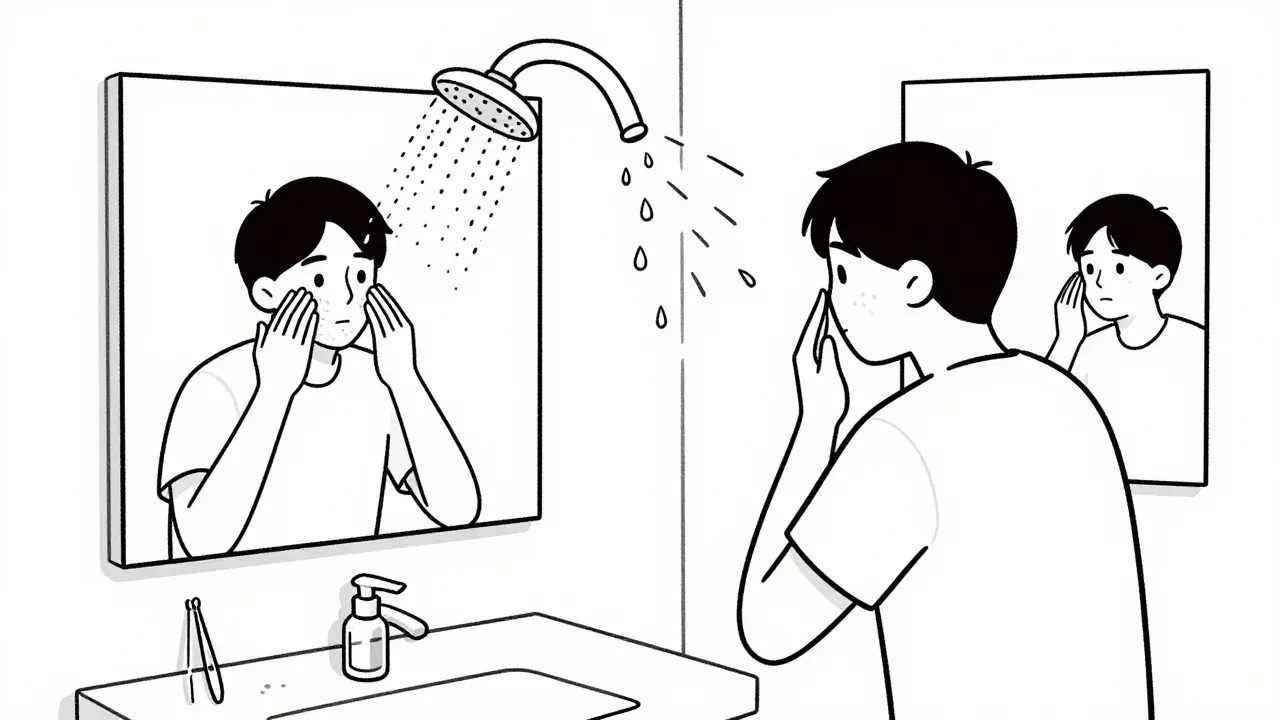
Can You Prevent It Before the Bite?
Prevention is always cheaper than cure. Since ticks hide in foliage, you can reduce your chances by avoiding high-risk areas like brushy edges and tall grass. If you must go outside, wear light-colored clothing so you can see the dark bugs crawling on you. Treat your clothes and gear with permethrin, a fabric-safe insecticide. After you return home, shower within two hours. A shower washes off unattached ticks and forces you to do a visual check of your body.
There is a safety net for those unlucky enough to find an engorged tick. If you removed a tick that was attached for more than 36 hours and it was identified as a blacklegged tick in a high-risk zone, guidelines allow for a single dose of prophylactic Doxycycline within 72 hours of removal. This pill acts as a firewall against the bacteria taking hold.
The Future of Defense
We are on the cusp of new tools. As of late 2025, researchers are making strides in diagnostics and vaccines. A new urine test approved recently aims to catch infections earlier by detecting DNA in urine samples rather than relying solely on antibody response. Vaccines are also in advanced development, showing promising results in preventing specific strains of the bacteria. Despite these advancements, climate change continues to push tick habitats northward, meaning more people in Canada and northern states are now at risk than were ten years ago.
Frequently Asked Questions
What is the exact timeline for Lyme symptoms to appear?
Symptoms typically begin within 30 days of a tick bite. The signature rash usually shows up between 7 to 14 days, followed by flu-like symptoms.
Can you survive a tick bite without getting sick?
Yes, removing a tick within 24 hours significantly lowers the risk. Only ticks carrying the Borrelia bacteria can transmit the disease, and transmission requires a long attachment period.
Is chronic Lyme disease a real thing?
Post-treatment symptoms are real, often called Post-Treatment Lyme Disease Syndrome (PTLDS). However, the idea that prolonged antibiotics are needed for "chronic" active infection is debated among infectious disease societies.
What are the risks if I ignore the symptoms?
Untreated Lyme can lead to severe joint pain, permanent nerve damage, and heart rhythm irregularities. The longer the delay in treatment, the harder the infection becomes to clear completely.
How reliable are blood tests for early detection?
Blood tests are less accurate early on. They rely on antibodies taking weeks to form. Clinicians often diagnose based on the characteristic rash and exposure history rather than relying solely on early lab results.
10 Comments
The thing about ticks is they are everywhere now. People ignore the warning signs until they feel sick. It is very dangerous to walk without checking your legs.
I think they want us scared so we buy their medicine. The numbers don't add up right. Big pharma profits from the disease. They hide the truth about natural remedies. Something smells fishy about the guidelines. Trust your gut feeling instead.
You are misinformed about the science! Statistics matter more than feelings. Read the actual studies before you speak. Ignorance is not freedom my friend!!
Wow look at everyone freaking out over a bug bite. Life is short enough without paranoia taking over. Just take a shower after walking outside. Relax your brain cells for once.
That is dangerously irresponsible advice given the medical risks. Early intervention prevents severe neurological damage later. Please educate yourself before giving health tips. The evidence supports immediate action upon removal. Neglect leads to chronic pain issues unfortunately.
Nature balances itself eventually.
Ticks are nasty 😬 But doctors get paid either way 💸 Maybe prevention helps though 🤷♀️
You really think money drives the whole diagnosis system? It happens to people who live in rural areas too. Denial does not stop bacteria from spreading. Stop minimizing the real danger here.
We must understand the biological reality of vector transmission fully. The bacteria moves through the bloodstream quite quickly after attachment. Many patients report vague symptoms that mimic common flu viruses. Fatigue often precedes the appearance of the classic rash. Waiting for the bullseye pattern can cost valuable time. Testing sensitivity increases significantly only after antibodies form. Oral antibiotics work well during the initial infection window. Intravenous treatments become necessary when nerve tissues are involved. Joint pain usually signals that late stage damage has occurred already. Prevention remains the most effective strategy against infestation. Showering within two hours removes unattached vectors effectively. Light clothing allows for easier detection of crawling pests. Prophylactic doxycycline is recommended under specific high-risk conditions. Climate change expands the habitat ranges northward steadily. We should adapt our outdoor behaviors accordingly to stay safe. Long term immunity requires vigilance rather than complacency always.
Good luck trying to convince the American public to listen. We need stronger border controls on wildlife too. Foreign soil introduces new strains constantly. Protect domestic resources and prioritize national health metrics. Science serves the state first and foremost.