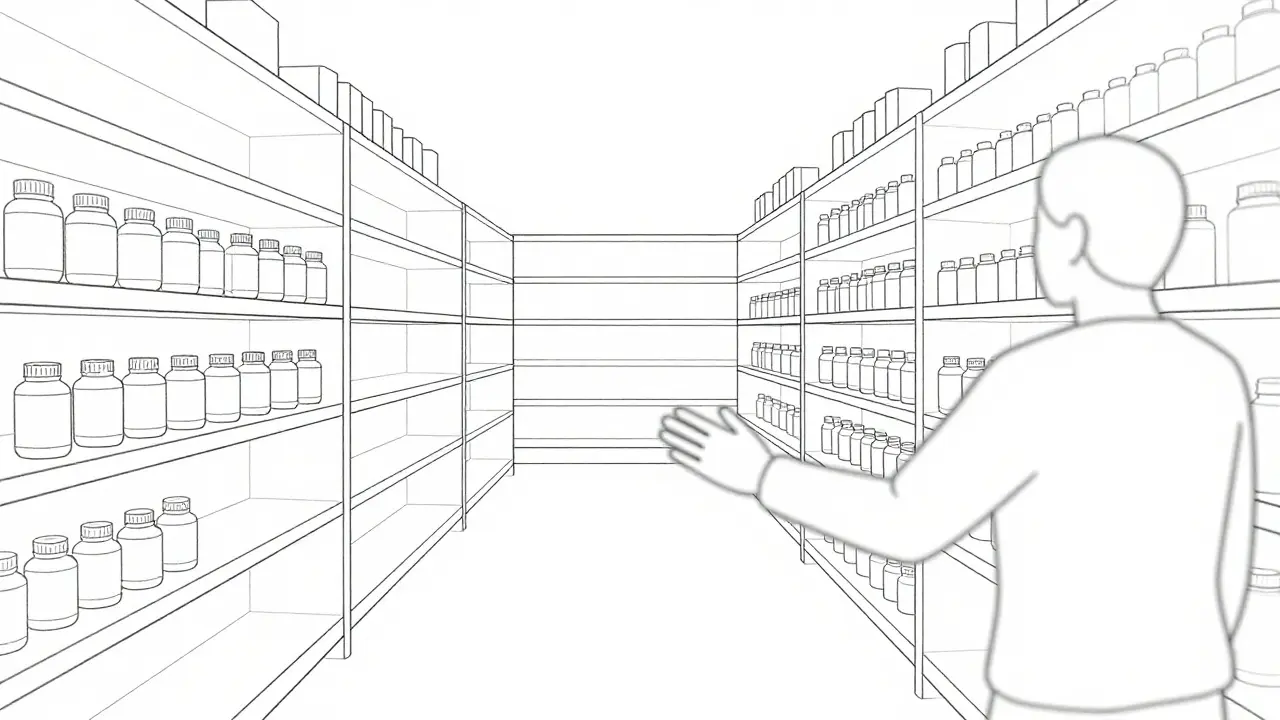
Imagine walking into your pharmacy in March 2020, only to find the shelf empty for the blood pressure medication you’ve taken for years. You aren’t alone. The COVID-19 pandemic is a global health crisis that severely disrupted pharmaceutical supply chains and altered illicit drug markets worldwide didn’t just close gyms and schools; it broke the systems we rely on to get medicine. From essential antibiotics to life-saving insulin, the sudden halt in global logistics created a perfect storm of shortages. But the story isn’t just about empty shelves at the pharmacy. It’s also about how the black market adapted, leading to a surge in dangerous, adulterated substances.
This dual crisis reshaped healthcare delivery overnight. Hospitals scrambled for critical care drugs, while patients with substance use disorders found their support networks severed by lockdowns. Understanding these impacts requires looking beyond the headlines to see how fragile our medical infrastructure truly was-and what we learned from breaking it.
The Great Pharmaceutical Shortage of 2020
When the world shut down, the flow of medicine slowed to a trickle. A national cross-sectional study published in JAMA Network Open (Suda et al., October 2023) revealed the sheer scale of this disruption. Between February and April 2020, supply chain issues caused shortages affecting 34.2% of drugs with reported issues. That’s more than one in three medications facing availability problems during the peak of the initial panic. For context, comparison drugs without specific supply chain flags still saw a 9.5% shortage rate, indicating a systemic breakdown rather than isolated incidents.
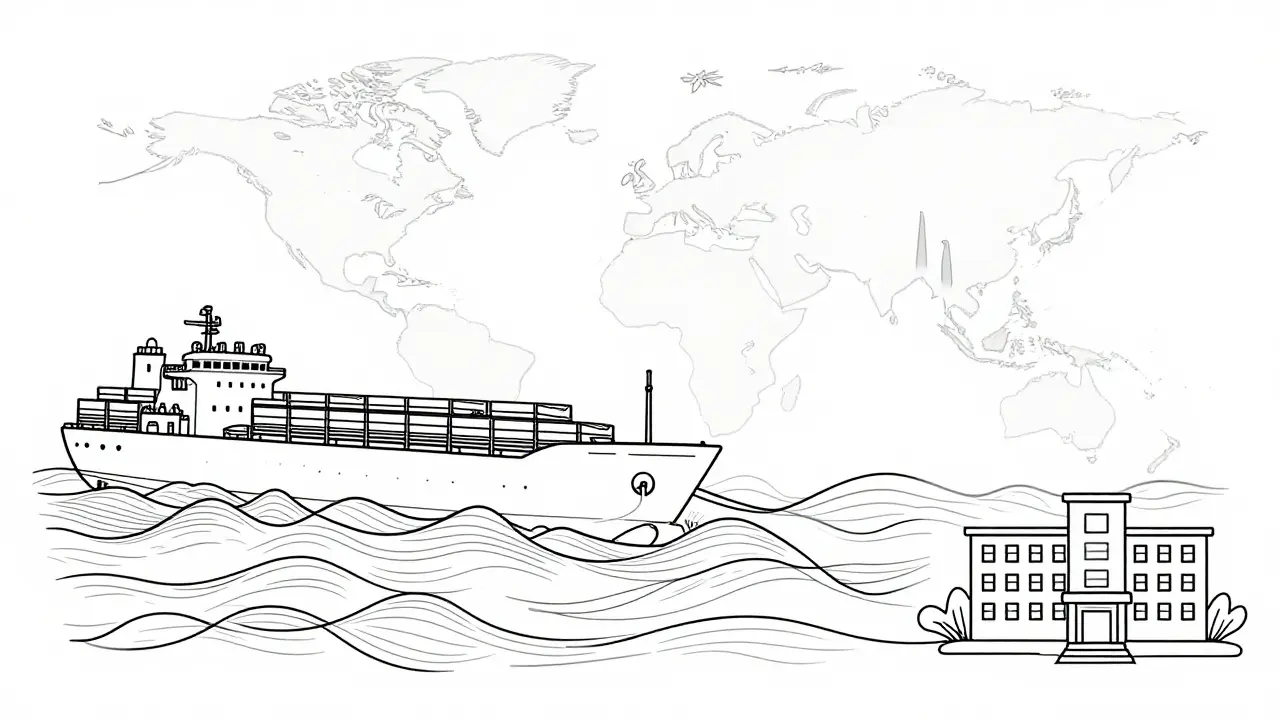
Why did this happen? The answer lies in the complexity of modern manufacturing. Most active pharmaceutical ingredients (APIs) are produced in China and India. When factories closed or shipping routes were blocked, the ripple effect hit hospitals within weeks. Critical care medications needed for treating severe COVID-19 patients required specialized pharmaceutical supplies such as sedatives, ventilators, and antiviral treatments were among the hardest hit. Imagine an ICU nurse trying to stabilize a patient but finding no midazolam available because the container ship carrying it was stuck in port. This wasn’t hypothetical; it was reality for thousands of providers.
However, the situation began to stabilize after May 2020. The shortage rate dropped to 9.8%, closer to pre-pandemic levels. This improvement wasn’t accidental. The FDA stepped up, prioritizing inspections and communicating directly with manufacturers. Yet, the underlying vulnerability remained. As Dr. Katie J. Suda, lead researcher on the JAMA study, noted, these findings highlight "ongoing vulnerabilities in drug supply chains" that demand policy action. We patched the leak, but the boat was still taking on water.
The Illicit Market Shift: More Potent, More Dangerous
While legal pharmacies struggled, the illicit drug market underwent its own transformation. Lockdowns didn’t stop people from using drugs; they changed how those drugs moved. With traditional distribution networks disrupted, dealers turned to more potent, easier-to-ship substances. Enter fentanyl. This synthetic opioid is incredibly powerful and can be manufactured in small labs, making it less dependent on complex international shipping routes compared to heroin derived from poppies.
The consequences were deadly. According to CDC provisional data, drug overdose deaths jumped from 67,736 in the year ending April 2019 to 97,990 in the year ending April 2021. That’s a staggering increase driven largely by synthetic opioids. States like Kentucky, Louisiana, and West Virginia saw increases exceeding 50%. Why? Because when regular supply chains break, users often turn to whatever is available. And what was available was laced with fentanyl.
A Reddit user in the r/opiates community captured this shift perfectly in June 2020: "The street supply got weird after lockdowns started... turned out to be fentanyl-laced." This anecdotal evidence aligns with broader trends documented by the Trust for America's Health (TFAH). The pandemic didn’t create the overdose crisis, but it accelerated it by removing barriers to high-potency drugs and isolating users from safety nets.
| Metric | Pharmaceutical Market | Illicit Drug Market |
|---|---|---|
| Peak Disruption Period | February - April 2020 | Continuous escalation throughout 2020-2021 |
| Primary Cause | Global shipping halts & factory closures | Distribution network shifts & increased potency |
| Shortage Rate (Peak) | 34.2% of reported drugs | N/A (Supply increased, quality decreased) |
| Recovery Timeline | Returned to baseline by late 2020 | No recovery; overdose deaths continued rising |
| Key Risk Factor | Lack of domestic API manufacturing | Fentanyl adulteration & isolation of users |
Telehealth: A Lifeline or a Barrier?
As physical clinics closed, telehealth became the new normal. For many, this was a breakthrough. Patients who previously struggled to take time off work or arrange childcare could now consult doctors from home. Specifically, for Medication-Assisted Treatment (MAT) for opioid use disorder, telehealth was a game-changer. Before the pandemic, federal regulations restricted buprenorphine prescriptions to in-person visits. Emergency waivers allowed remote prescribing, and the results were dramatic. Buprenorphine prescriptions via telehealth skyrocketed from 13% in February 2020 to 95% by April 2020.
Dr. Nora Volkow, Director of the National Institute on Drug Abuse (NIDA), highlighted that expanded access to these services was associated with a reduced likelihood of fatal overdoses among Medicare beneficiaries. For rural patients, eliminating the need to drive hours to a clinic meant staying in treatment longer. Take-home methadone doses were also expanded, allowing stable patients to receive up to 28 days’ worth of medication at once.
But telehealth wasn’t a silver bullet. It introduced new barriers. Not everyone has reliable high-speed internet or a smartphone. Older adults, in particular, struggled with the technology. SAMHSA data showed that behavioral healthcare utilization dropped by 75% for individuals with private insurance during the summer of 2020. Why? Because digital tools don’t replace human connection. People recovering from addiction rely on in-person support-12-step meetings, group counseling, and harm-reduction centers. When those spaces closed, many felt abandoned.
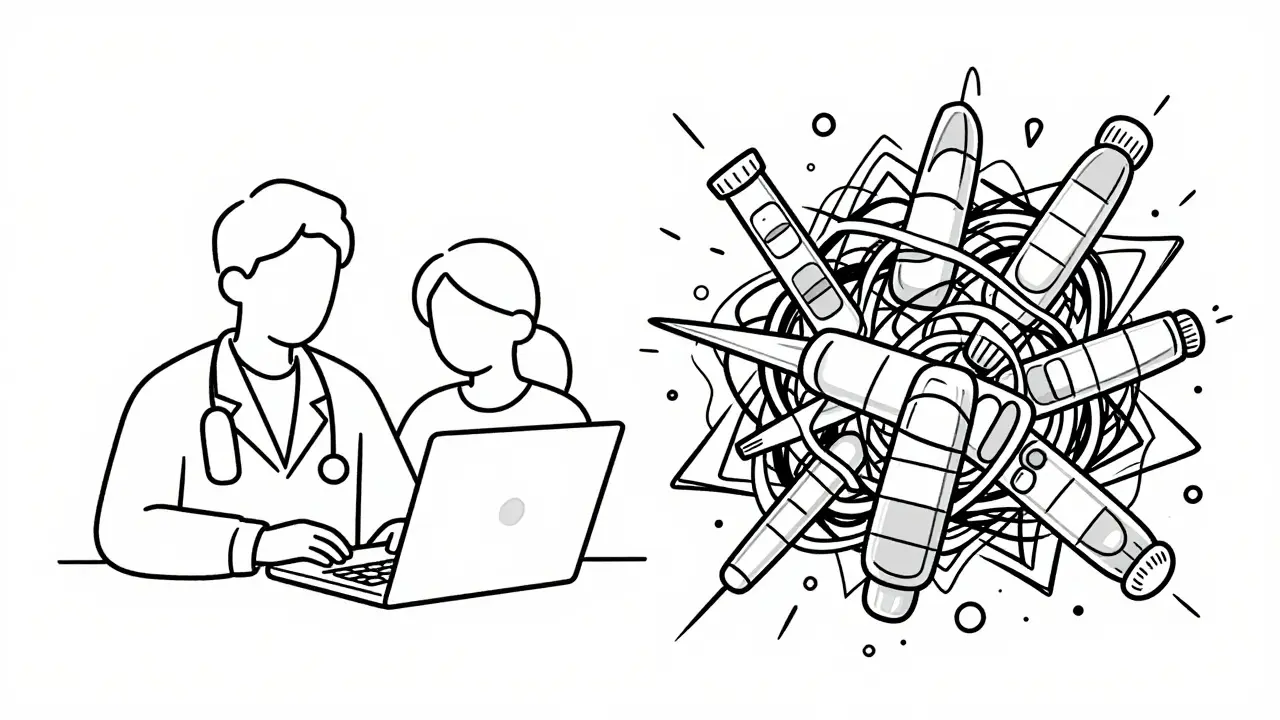
The Human Cost: Stories from the Frontlines
Behind every statistic is a person. Patients reported rationing insulin and blood pressure meds, fearing they’d run out before the next shipment arrived. Some resorted to informal channels, buying medications from friends or online forums where authenticity couldn’t be guaranteed. For those managing chronic conditions, this uncertainty added immense stress, potentially worsening their health outcomes.
Harm reduction workers faced their own battles. Needle exchange programs and supervised consumption sites had to adapt quickly. In Philadelphia, one program reported a 40% decrease in service provision during the initial lockdown. To compensate, organizations like the Boston Public Health Commission shifted to drive-through models and increased naloxone distribution. Naloxone kits distributed in 2020 rose by 30% compared to 2019, a crucial buffer against the rising tide of overdoses.
Yet, stigma remained a silent killer. Many individuals avoided seeking emergency care due to fear of judgment or legal consequences related to drug use. The PMC study noted that mobility restrictions acted as a risk factor for continued drug use, as people couldn’t easily access testing or support. The intersection of public health crisis and social inequity left the most vulnerable populations exposed.
Lessons Learned and Future Resilience
We’ve emerged from the acute phase of the pandemic, but the scars remain. The pharmaceutical industry is beginning to rethink its reliance on overseas manufacturing. The 2023 National Defense Authorization Act included provisions to improve supply chain transparency, aiming to prevent future blind spots. Companies are investing in domestic production of key APIs, though this is a long-term fix.
In the realm of substance use, the debate continues over whether telehealth waivers should become permanent. Proponents argue that accessibility saves lives, pointing to the success of remote MAT prescriptions. Critics worry about the loss of personal oversight and the digital divide. The truth likely lies in a hybrid model-one that offers flexibility without sacrificing the human element of care.
Looking ahead, experts warn that the effects of the pandemic will linger. Delayed treatment seeking and accumulated mental health challenges may continue to drive substance use patterns for years. The World Health Organization emphasizes the need to address social determinants of health to truly curb the overdose crisis. It’s not enough to have pills on the shelf; we need robust, accessible support systems to ensure people can use them safely.
Did drug shortages return to normal after 2020?
Yes, for most pharmaceuticals. Data shows that shortage rates returned to pre-pandemic levels by late 2020 after regulatory interventions. However, systemic vulnerabilities remain, particularly regarding reliance on foreign manufacturing for active ingredients.
How did the pandemic affect opioid treatment?
It significantly expanded access through telehealth. Regulations were relaxed to allow remote prescribing of buprenorphine and increased take-home methadone doses. This helped reduce fatal overdoses among some groups, though it also disconnected others from in-person support networks.
Why did overdose deaths rise during lockdowns?
Overdose deaths rose due to a combination of factors: isolation reducing social safeguards, increased availability of potent synthetic opioids like fentanyl, and disruptions to treatment and harm-reduction services. The illicit market adapted by supplying more dangerous drugs.
What role did the FDA play in addressing shortages?
The FDA implemented emergency measures including expedited reviews and direct communication with manufacturers. They prioritized inspections for critical drugs, which helped stabilize supply chains after the initial chaos of early 2020.
Are telehealth prescriptions for addiction still allowed?
In many regions, yes. While initial emergency waivers have expired in some places, ongoing legislation and state-level policies often maintain flexibility for telehealth MAT prescriptions, recognizing their proven benefit in saving lives.