
SNRI Medication Comparison Tool
If you have been prescribed an antidepressant recently, you might have heard the term SNRI is a class of medications known as Serotonin-Norepinephrine Reuptake Inhibitors that treat depression and anxiety by increasing levels of two key brain chemicals. These drugs are different from the more commonly known SSRIs because they target both serotonin and norepinephrine. This dual action can be a game-changer for people who suffer from both low mood and chronic physical pain, but it also comes with a unique set of side effects and risks. Understanding how these medications work, what to expect when you start taking them, and how to manage potential issues is crucial for your treatment success.
How SNRIs Work in the Brain
To understand why your doctor might choose an SNRI over other options, you need to look at the chemistry of the brain. Depression and anxiety are often linked to imbalances in neurotransmitters, which are chemical messengers. Serotonin is a neurotransmitter primarily responsible for regulating mood, sleep, and appetite. Low levels are associated with sadness and anxiety. Norepinephrine is a neurotransmitter involved in the body's stress response, energy levels, and concentration. It helps you stay alert and focused.
SSRIs (Selective Serotonin Reuptake Inhibitors) only block the reabsorption of serotonin. SNRIs, however, block the reabsorption of both serotonin and norepinephrine. By keeping more of these chemicals available in the synaptic cleft-the space between nerve cells-SNRIs help improve communication between neurons. This dual mechanism is particularly effective for patients who experience fatigue, lack of motivation, or physical symptoms alongside their emotional distress. Research suggests that this approach may offer a more rapid onset of action for certain physical symptoms compared to SSRIs alone.
Commonly Prescribed SNRIs and Their Uses
Not all SNRIs are created equal. They differ in their potency for targeting serotonin versus norepinephrine, which influences their approved uses and side effect profiles. Here are the main players in the market:
- Venlafaxine (Effexor): The first SNRI approved, widely used for major depressive disorder, generalized anxiety disorder, social anxiety disorder, and panic disorder. It has a high affinity for serotonin but affects norepinephrine significantly at higher doses.
- Duloxetine (Cymbalta): Known for its balanced action on both neurotransmitters. It is FDA-approved for depression, anxiety, and several chronic pain conditions including fibromyalgia and diabetic neuropathy.
- Desvenlafaxine (Pristiq): An active metabolite of venlafaxine, often prescribed for major depressive disorder. It offers a simpler metabolic profile, meaning fewer drug interactions.
- Levomilnacipran (Fetzima): Has a stronger effect on norepinephrine than serotonin. It is used for major depressive disorder and may be preferred for patients with significant fatigue or cognitive issues.
- Milnacipran (Savella): Specifically approved for fibromyalgia rather than depression, highlighting the strong link between norepinephrine modulation and pain perception.
Side Effects: What to Expect
Like all medications, SNRIs come with side effects. For many, these are mild and temporary, fading within a few weeks as the body adjusts. However, some effects can be persistent or severe. It is important to discuss these with your healthcare provider before starting treatment.
| Side Effect | Venlafaxine | Duloxetine | General SNRI Risk |
|---|---|---|---|
| Nausea | ~25% | ~30% | Very Common |
| Dry Mouth | ~30% | ~15% | Common |
| Sexual Dysfunction | ~40% | ~35% | Common (Libido/Orgasm) |
| Increased Sweating | ~15% | ~20% | Common |
| Hypertension | ~12-15% (>150mg) | Rare | Dose-Dependent |
| Constipation | ~15% | ~10% | Common |
Gastrointestinal issues like nausea are among the most frequent complaints, especially during the first few weeks of treatment. Taking the medication with food can help mitigate this. Sexual dysfunction, including decreased libido and difficulty achieving orgasm, affects a significant portion of users. If this becomes a major issue, talk to your doctor; dose adjustments or switching medications might help.
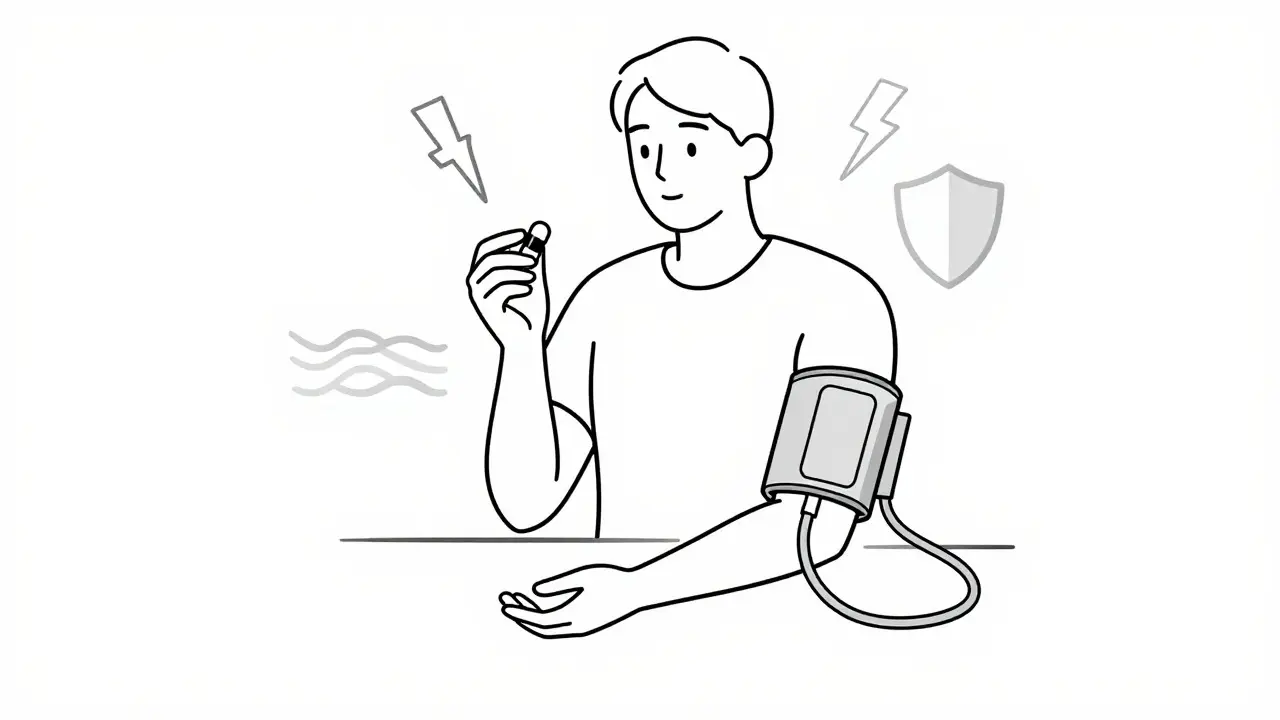
A specific concern with Venlafaxine is its potential to raise blood pressure. At doses above 150mg per day, approximately 12-15% of patients experience hypertension. Regular monitoring is essential if you are on higher doses. Duloxetine, while generally safer for blood pressure, carries a risk of liver toxicity, so it should be used cautiously in patients with existing liver disease or heavy alcohol consumption.
The Danger of Discontinuation Syndrome
One of the most critical aspects of SNRI therapy is how you stop taking them. Unlike some other antidepressants, SNRIs have short half-lives, meaning they leave the body quickly. Discontinuation Syndrome is a cluster of withdrawal symptoms that occur when stopping an SNRI abruptly or missing doses. This is particularly notorious with Venlafaxine, often referred to as the "Venlafaxine cliff."
Up to 50% of patients who stop without tapering report significant symptoms. These can include:
- Dizziness or vertigo (often described as electric shocks in the head, known as "brain zaps")
- Nausea and vomiting
- Anxiety and irritability
- Insomnia or vivid dreams
- Flu-like symptoms
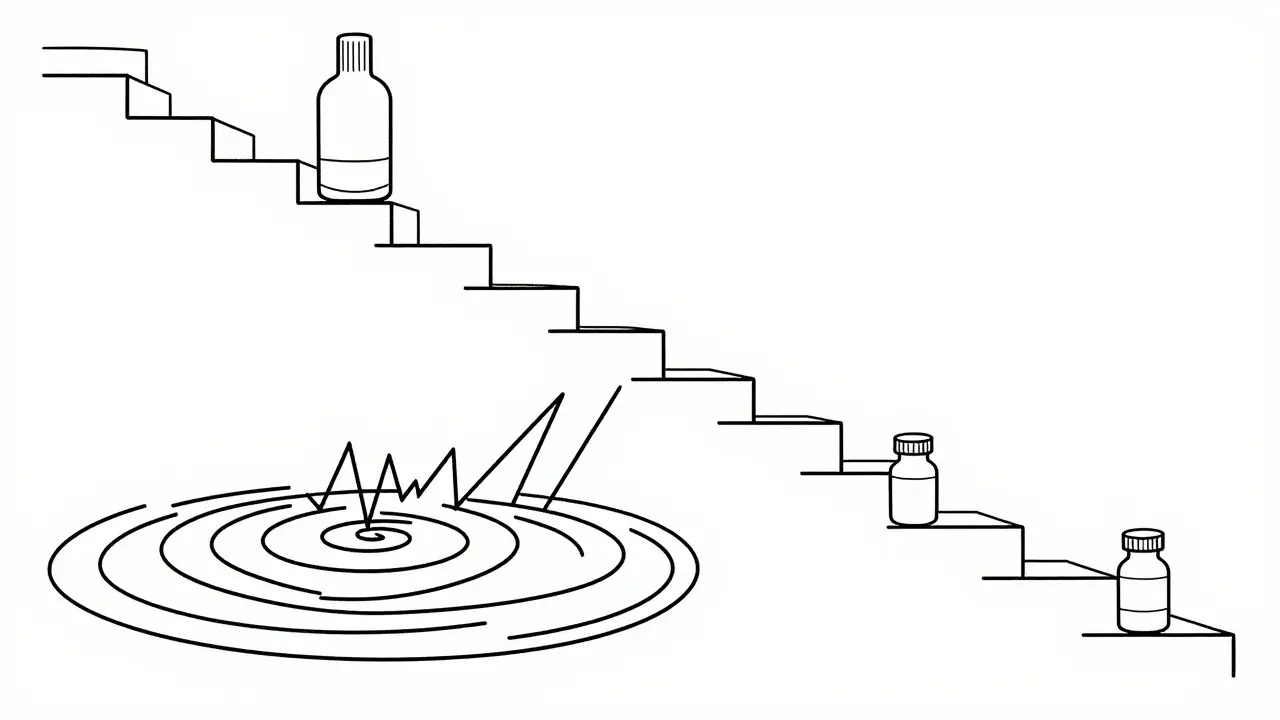
To avoid this, doctors typically recommend a gradual taper over several weeks or even months. Never stop an SNRI cold turkey unless directed by a specialist. If you miss a dose, take it as soon as you remember, but if it is close to the next dose, skip it. Do not double up.
SNRIs vs. SSRIs: Which Is Right for You?
You might wonder why your doctor chose an SNRI instead of an SSRI like Prozac or Zoloft. The decision usually hinges on your specific symptom profile. SSRIs are generally better tolerated and are often the first line of defense for pure depression or anxiety without physical pain components. However, if you suffer from comorbid chronic pain, such as fibromyalgia, neuropathy, or tension headaches, an SNRI like Duloxetine may be more effective because of its impact on norepinephrine, which modulates pain pathways.
Additionally, if you struggle with fatigue or lack of energy, the noradrenergic effect of SNRIs can provide a boost that SSRIs do not. Conversely, if you have a history of high blood pressure or heart issues, an SSRI might be safer due to the hypertensive risks associated with some SNRIs.
Practical Tips for Managing SNRI Therapy
Starting an SNRI is a journey that requires patience and proactive management. Here are some strategies to make the process smoother:
- Start Low, Go Slow: Most doctors will start you on a low dose to minimize initial side effects. Stick to this schedule even if you feel no benefit yet; therapeutic effects can take 4-6 weeks.
- Monitor Your Blood Pressure: If you are on Venlafaxine, check your blood pressure regularly, especially if you increase your dose.
- Watch for Bleeding: SNRIs affect platelet function, which can increase bleeding risk. Be cautious if you are also taking NSAIDs (like ibuprofen), aspirin, or blood thinners. Report any unusual bruising or bleeding to your doctor.
- Avoid Alcohol: Alcohol can worsen side effects like dizziness and drowsiness, and it may counteract the benefits of the medication.
- Keep a Symptom Diary: Track your mood, energy levels, and any side effects. This data is invaluable for your doctor when adjusting your dosage.
When to Seek Immediate Help
While rare, serious side effects can occur. Seek immediate medical attention if you experience signs of Serotonin Syndrome is a potentially life-threatening condition caused by excessive serotonin activity, often due to drug interactions. Symptoms include agitation, hallucinations, rapid heartbeat, fever, muscle stiffness, and twitching. This is more likely if you combine SNRIs with other serotonergic drugs, such as MAOIs, triptans, or certain opioids like tramadol.
Also, watch for worsening depression or suicidal thoughts, especially in the first few weeks of treatment or after dose changes. This is a known risk with all antidepressants, particularly in young adults under 25. Inform your support system about your treatment so they can help monitor for changes in behavior.
How long does it take for SNRIs to work?
Most patients begin to notice improvements in sleep, appetite, and energy within 1-2 weeks. However, full therapeutic benefits for mood and anxiety typically take 4-6 weeks. For pain conditions, relief may be felt slightly earlier, often within 2-4 weeks.
Can I drink alcohol while taking an SNRI?
It is generally recommended to limit or avoid alcohol. Alcohol is a depressant and can worsen anxiety and depression. It also increases the risk of side effects like dizziness and drowsiness. Moderate consumption may be safe for some, but consult your doctor first.
Do SNRIs cause weight gain?
Weight changes vary by individual and medication. Some users experience initial weight loss due to nausea, followed by potential weight gain later as appetite returns. Duloxetine is less associated with significant weight gain compared to some other antidepressants, but monitoring your diet and exercise is always advisable.
What happens if I miss a dose of Venlafaxine?
Venlafaxine has a short half-life, so missing a dose can lead to withdrawal symptoms like dizziness and "brain zaps." Take the missed dose as soon as you remember, unless it is almost time for your next dose. Never double the dose to catch up. Consistency is key.
Are SNRIs addictive?
SNRIs are not considered addictive in the traditional sense, meaning they do not cause cravings or euphoria. However, the body becomes physically dependent on them, leading to discontinuation syndrome if stopped abruptly. This is why tapering under medical supervision is essential.