
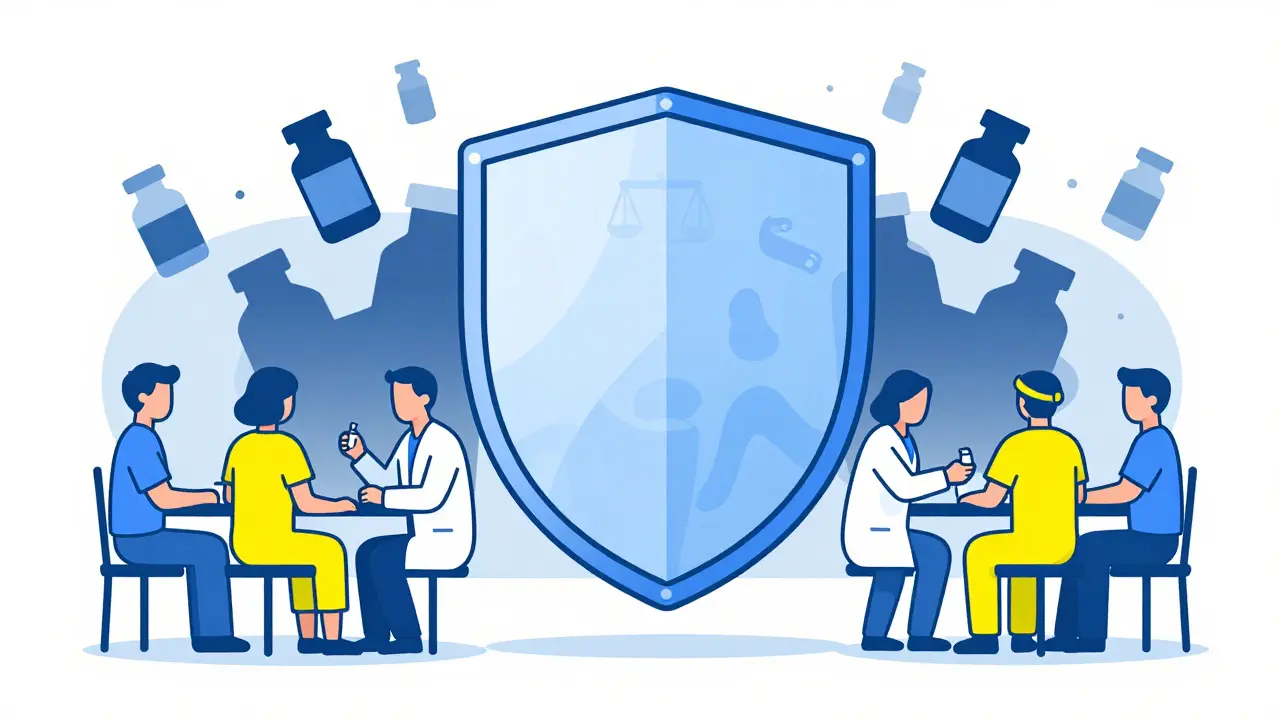
Imagine walking into a local clinic, picking up a prescription, and receiving medication that isn't exactly what the label says. It sounds like a plot twist in a thriller, but unverified practitioner credentials are one of the biggest open doors for counterfeit drugs entering the market. When we talk about verifying a State Pharmacy Board, we aren't just ticking a compliance box for HR departments; we are checking the first line of defense against medical harm.
The reality is stark: every single state and territory in the U.S. operates its own regulatory engine for pharmacy. There are currently 56 distinct boards across the United States-including all 50 states, D.C., Puerto Rico, Guam, and the Virgin Islands-each managing their own rules. As a professional or even a concerned patient, knowing how to navigate these systems is your best bet at ensuring safety. With over 350,000 licensed pharmacists nationwide, you can't rely on trust alone; you have to check the digital trail.
Understanding the Role of State Regulatory Boards
Before you click "search" on any website, you need to understand what authority actually controls the license. The State Pharmacy Board is a government agency established by state law responsible for the protection of public health within its borders. Think of them as the gatekeepers. They didn't show up overnight; the very first one was established in Massachusetts way back in 1878. Since then, they've evolved from simple record keepers to complex oversight bodies that manage everything from continuing education requirements to disciplinary hearings.
These boards have the power to issue, renew, suspend, or revoke a license. That last part-revocation-is crucial. If a practitioner has committed malpractice, often involving the distribution of unsafe medications or controlled substance diversion, the board steps in. However, because laws vary by jurisdiction, a license in California doesn't automatically mean anything in Texas unless you verify it through the specific state board system. For anyone working with medication, understanding this territorial sovereignty is key to spotting red flags early.
| Action | Purpose |
|---|---|
| License Issuance | Officially authorizes an individual or facility to practice medicine/pharmacy. |
| Renewal Processing | Maintains active status based on fees and continuing education. |
| Digital Monitoring | Tracks controlled substance prescriptions and dispensing patterns. |
| Disciplinary Action | Punishes violations such as negligence, fraud, or counterfeit sales. |
How to Verify a Pharmacy License Step-by-Step
You probably don't need a law degree to check if someone is legit, but you do need to know where to look. Most of the 56 jurisdictions have transitioned to online verification systems, with about 48 offering web-based lookup. Let's break down the typical workflow you will encounter when checking a name like your neighbor's new pharmacist or a vendor.
- Identify the Jurisdiction: You must verify the license in the state where the person practices. If they claim to work in Maryland, you go to the Maryland Board of Pharmacy, not a national database yet.
- Navigate to the Official Site: Look for URLs ending in .gov. Third-party sites can be misleading. Be wary of looking up info on unofficial blogs or forums.
- Locate the 'License Lookup' Tool: This is often under a tab labeled 'Consumer Services' or 'Verify a License.' Some boards bury it deep in the footer, so patience helps.
- Enter Search Criteria: Systems usually require a profession type (e.g., Pharmacist, Technician) plus a name or license number. Enter full details if possible.
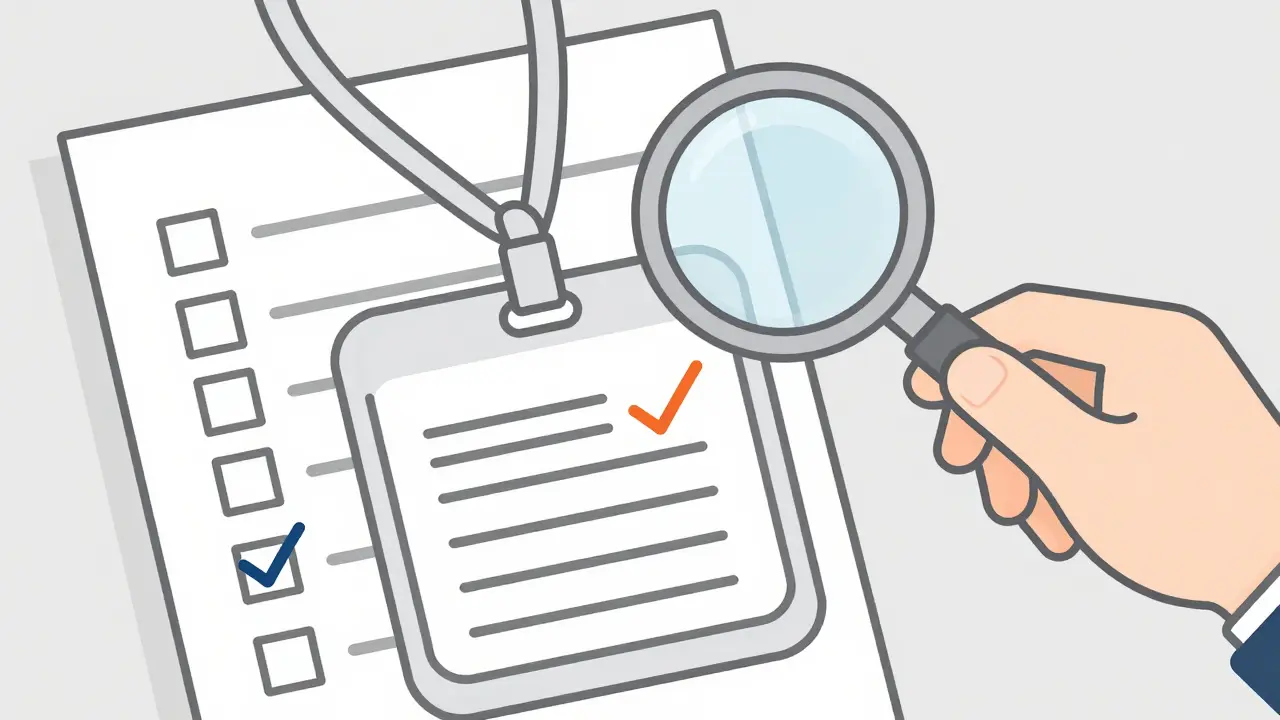
- Review the Result Screen: Don't just look for 'Found.' Scan for 'Status,' 'Expiry Date,' and any attached 'Notices.'
A quick tip from the field: many systems fail if you only enter a first name. It returns too many hits. If you know the last name and city, combine those for better precision. In some states like Maryland, the system can handle over 12,000 monthly queries, so it is designed to handle traffic, but typos in your input will lead to false negatives. Always double-check spelling before you submit.
Decoding License Statuses and Disciplinary Notes
Finding a profile is great, but reading the fine print is safer. The most critical piece of data is the license status. A status isn't just binary; it isn't simply "On" or "Off." Boards use a nuanced vocabulary that tells a story about the practitioner's fitness.
- Active: The default healthy state. The licensee meets all requirements.
- Suspended: Usually means they cannot practice right now due to ongoing investigations or non-compliance.
- Revoked: Permanent loss of privilege. They are effectively banned from the profession.
- Probation: They hold a license but operate under strict restrictions, often monitored closely.
- Voluntary Surrender: Often used when a practitioner admits fault to avoid public trial, but the result is similar to revocation.
This distinction matters heavily when discussing counterfeit drugs. A revoked pharmacist trying to set up an unlicensed compounding operation is a classic setup for dangerous products entering the supply chain. If a license shows as expired, even by a few days, it raises the question: why haven't they renewed? Sometimes it's bureaucracy, but other times it signals avoidance. Pay attention to the expiration dates listed alongside the status.
The Connection to Counterfeit Drugs
Why does this specific verification process matter for counterfeit drugs? Because unlicensed operations are the primary vector for fake medications to reach consumers. Legitimate pharmacy chains and hospital systems rigorously audit their staff using state board verification. Rogue operators skip this step entirely.
When a pharmacy operates without a board license, they exist outside the regulatory net. They aren't inspected for storage conditions, supply chain integrity, or inventory tracking. This lack of oversight creates a vacuum where counterfeit products thrive. We see this frequently in telemedicine scams or dark web markets where "pharmacies" claim accreditation they do not possess. By using the official state verification tool, you expose these fake fronts immediately. You cannot find a license number for an illegal operator.
Furthermore, state boards maintain disciplinary histories. If a license is clean today but had serious disciplinary actions ten years ago, that history often remains viewable in older records or public dockets. While NABP Verify provides current monitoring, historical malfeasance regarding drug integrity is usually tracked directly by the state where the crime occurred. Always cross-reference the state board's disciplinary section if you see any red flags.
National Tools: NABP Verify and the IPLC
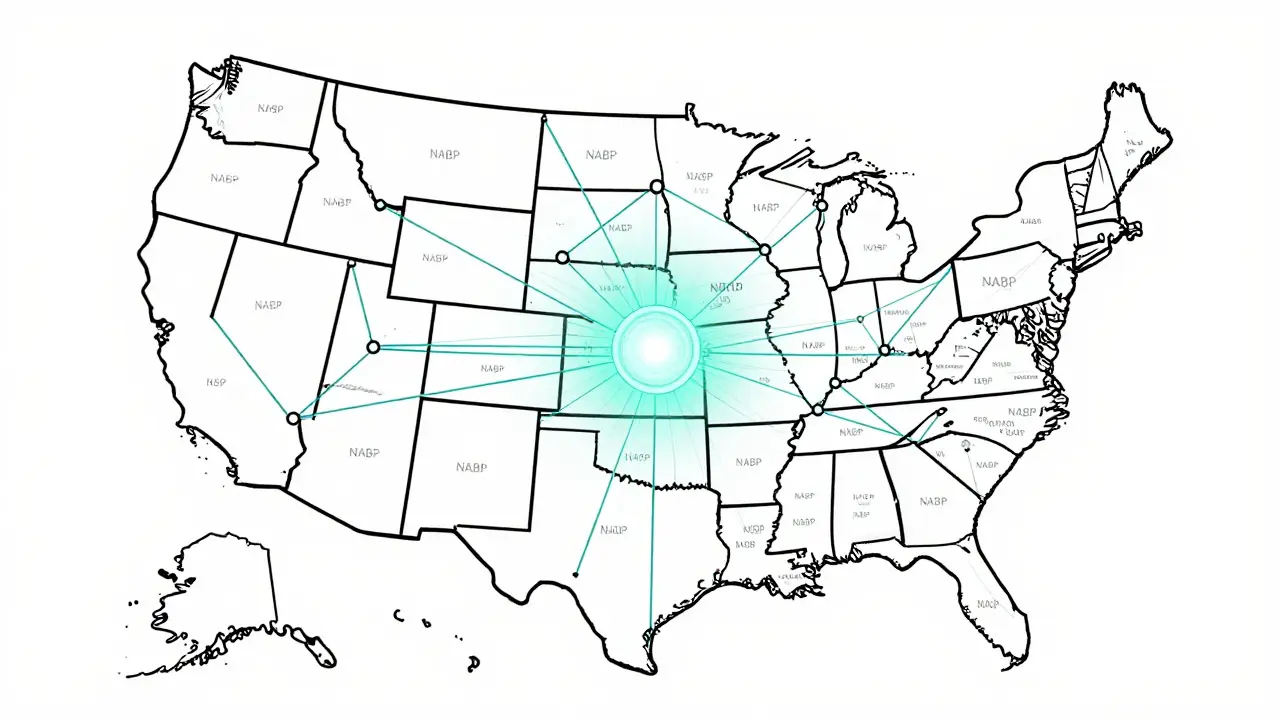
While state boards hold the legal power, navigating 56 different websites is inefficient for employers hiring multi-state pharmacists. This is where the National Association of Boards of Pharmacy (NABP) comes in. Their service, NABP Verify, offers a centralized way to monitor licenses. Unlike direct state searches which give you a one-time snapshot, this service allows ongoing monitoring and generates a shareable digital badge.
For 2024 pricing, the subscription runs around $59 annually. For a large network pharmacy or staffing agency, this pays off quickly in credentialing speed. However, remember that state databases are the primary source of truth. NABP pulls data from them, so if the state hasn't updated their status yet, neither has NABP. Both tools should be used together.
Then there is the Interstate Pharmacy Licensure Compact (IPLC). Operational since 2017, this agreement allows pharmacists licensed in one compact state to practice in another without getting a separate license. As of late 2023, over 20 states have joined. This makes sense for mobile clinics or locum tenens positions. If a pharmacist works under the compact, you must verify their home state license to confirm their portable privileges. If they are out of the compact zone, you still revert to the standard verification methods discussed above.
Common Pitfalls and Technical Glitches
Technology in government isn't perfect. Even though many boards have modernized, users often report frustration. A common complaint involves delays. It takes time for the system to reflect a change. If you just took the exam or renewed yesterday, the system might still show "Expired." This lag typically lasts a few weeks.
Name changes also trip people up. Did the pharmacist get married? Is their maiden name still on file? Search for variations. Also, technical maintenance windows sometimes take servers offline. If you get a 503 error or similar failure message, try again in an hour rather than assuming the license doesn't exist. Additionally, cybersecurity threats target these systems occasionally. Always use secure connections (HTTPS) and never store sensitive credentials on public terminals.
Another hidden trap is "Grace Periods." Some states allow practicing briefly after expiration for renewal processing. This technically counts as "active" in the system but looks like a red flag if you aren't aware of the local rule. Check the specific board's regulations if you see an expiry date in the past but the status reads as good standing.
Can I verify a pharmacy license anonymously?
Yes, state board search portals are public records and do not track your IP address or identity. You can search for a specific person without them knowing you did.
What if I can't find a license online?
Contact the board directly via phone or email. Online systems might be down for maintenance or have outdated names on file. They can manually verify the record for you.
Do state boards charge a fee for verification?
Most basic verifications are free. However, obtaining an official letter sent to a third party might incur a nominal administrative fee depending on the state's policy.
Does an active license guarantee they won't sell counterfeit drugs?
No. A license proves the state authorized them, but vigilance regarding sourcing and inspection is always required. Malpractitioners can be caught later and disciplined retrospectively.
How long does it take for a license to appear after passing exams?
Processing varies by state. It can take anywhere from 5 to 14 days for the board to upload your new status after the testing agency transmits your results.

11 Comments
The regulatory framework is fundamentally compromised. Most jurisdictions lack independent oversight mechanisms. Digital trails are easily manipulated by bad actors. You see centralized databases fail frequently. State sovereignty creates loopholes everywhere. Cross border data synchronization is weak. Counterfeit flows through these gaps unimpeded. They rely on honor systems mostly now. Verification tools are often superficial checks. Real monitoring requires deeper penetration testing. Public access is intentionally obscured sometimes. We trust gatekeepers who might be asleep. Historical data gets purged regularly unfortunately. Malfeasance records disappear after five years. Safety is an illusion maintained by paperwork. Do not believe the badges on their screens.
fair point about the delays though you gotta trust the system mostly to do its job otherwise we end up stuck in verification limbo forever
verification is key.
i thought checking was harder than this but looks easy once u know where to go thanks for sharing so much detail about the process it really helps me understand my options better the goverment sites are kinda tricky to find sometimes so im happy i learned about the consumer services tab
So glad you found it helpful 🌟 It makes me feel much better knowing resources exist for everyone trying to protect their loved ones from harm 💊 Health safety is something we all deserve without stress or worry 😊 Keep checking those dates and stay vigilant out there together 🛡️
We stand at the precipice of trust and verification in our modern age. The architecture of safety relies heavily on these digital sentinels protecting us. It feels like navigating a labyrinth of bureaucratic red tape yet there is beauty in the diligence required. True health security demands more than blind faith in titles or seals upon paper certificates. We must cultivate a mindset of active skepticism regarding public credentials.
It is egregious how many facilities ignore proper vetting protocols daily. Negligence regarding credentialing creates unacceptable risk for patient populations. Authorities must enforce stricter consequences for lapsed licenses immediately. Passive observation of compliance failures is simply negligence masquerading as governance.
oh my goodness what a terrifying thought to consider but also true that we cannot be too careful with medicine regulation isnt it absolutely vital to remain alert against potential threats to our wellbeing always
great read honestly i was looking into hiring a pharmacist recently and did not realize how complex the lookup process could get across different states it seems like just using the official site is the best bet for anyone wanting peace of mind when it comes to medical supplies
YES!!! You are totally right about the official sites!!! Just stick to the dot gov domains because scammers love fake pages!!! Safety first ALWAYS!!!
another boring government post lol nobody actually checks licenses tbh they just hope nobody gets sick 🤷♂️ why bother doing the work when everything is digital now anyway 🙄