
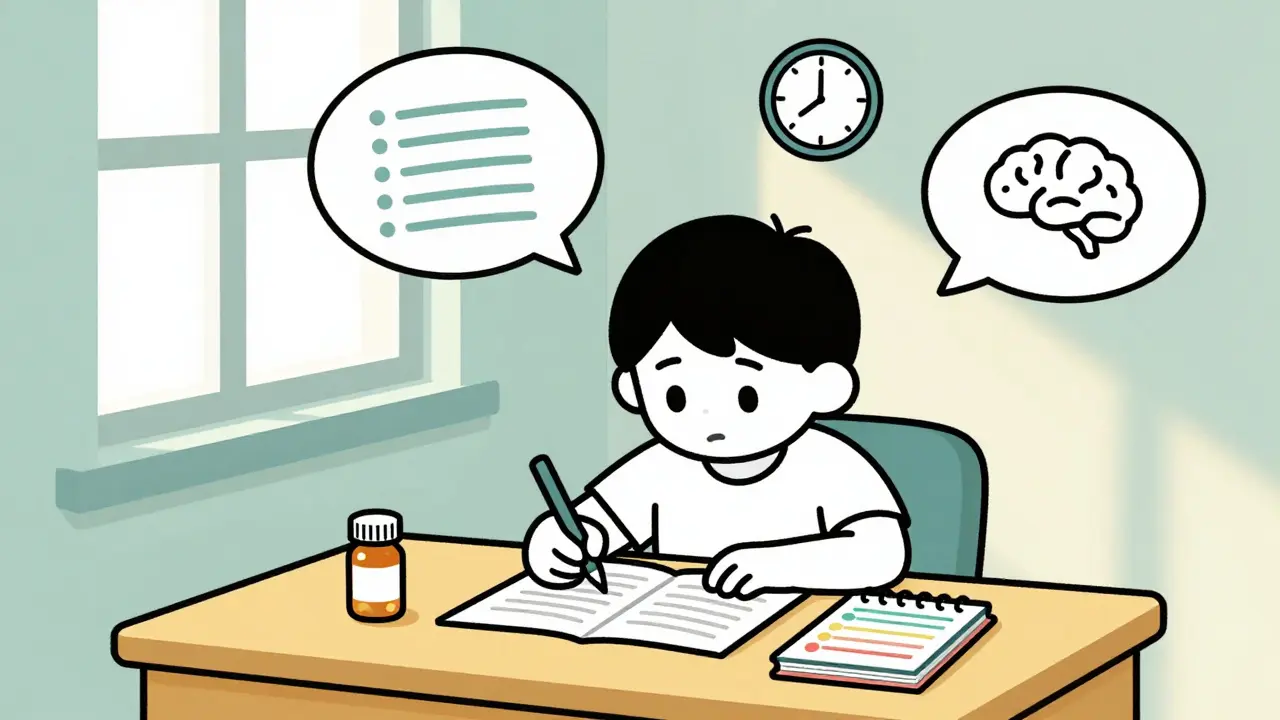
When you or your child struggles with focus, impulsivity, or constant restlessness, it’s easy to feel like there’s only one path forward: medication. But ADHD isn’t just about pills. It’s about finding the right mix of tools that fit your life, your body, and your goals. The truth is, the most effective ADHD treatment isn’t a single drug-it’s a combination of medication and behavioral strategies that work together to give you real, lasting control.
Stimulants: The Fastest Way to Calm the Storm
Stimulants are the most commonly prescribed ADHD medications for a reason: they work fast. About 70 to 80% of people-kids and adults-see noticeable improvement in focus, impulse control, and task completion within hours of taking them. These drugs don’t make you hyper. They help your brain’s natural attention system function more like everyone else’s.
The two main types are methylphenidate and amphetamine derivatives. Methylphenidate includes brand names like Ritalin, Concerta, and Focalin. Amphetamine-based options include Adderall, Vyvanse, and Dexedrine. Both boost dopamine and norepinephrine in the prefrontal cortex-the part of the brain responsible for planning, focus, and self-control. Methylphenidate blocks the reuptake of these chemicals, while amphetamines push them out and block their cleanup at the same time.
Extended-release versions are now the standard because they last 10 to 12 hours, meaning fewer doses and smoother symptom control. A single morning dose of Concerta or Vyvanse can carry you through school, homework, and dinner without needing a midday pill. Immediate-release versions, like plain Ritalin, wear off in 3 to 4 hours and often lead to a crash-irritability, frustration, or emotional rebound-when they do.
Side effects are common but manageable. Appetite loss hits 50 to 60% of kids, especially during the first few months. Sleep problems show up in 30 to 50% of users. Headaches and stomachaches are frequent but usually mild. A 2023 Reddit thread with over 1,800 responses found that 68% of users reported ongoing appetite suppression, and 52% struggled with sleep even after years on medication. Females report side effects at 1.4 times the rate of males, according to research from Qatar’s public schools.
Cardiovascular risks are real but rare. Stimulants can raise heart rate and blood pressure slightly. That’s why doctors check your blood pressure before starting and every 3 to 6 months after. For most people, these changes are small and harmless. But if you have a history of heart problems, your doctor will likely avoid stimulants altogether.
Non-Stimulants: Slower, But Safer for Some
If stimulants don’t work-or if side effects are too much-non-stimulants are the next step. They’re not as fast, but they’re often better tolerated. Atomoxetine (Strattera), guanfacine (Intuniv), and clonidine (Kapvay) are the three main options.
Atomoxetine works by blocking norepinephrine reuptake, similar to some antidepressants. It takes 4 to 6 weeks to reach full effect, so patience is key. It doesn’t carry the same abuse risk as stimulants, making it a top choice for people with a history of substance use. Response rates are lower-around 50 to 60%-but for those who respond, the benefits are steady and reliable.
Guanfacine and clonidine are alpha-2 agonists originally used for high blood pressure. They calm the nervous system by acting on receptors in the prefrontal cortex. They’re especially helpful for kids with emotional outbursts, tics, or anxiety alongside ADHD. Side effects include drowsiness, low blood pressure, and dry mouth. One big advantage? They can be taken at night, helping with sleep without interfering with daytime focus.
Non-stimulants don’t cause appetite suppression or sleep disruption the way stimulants do. That’s why many parents choose them for preschoolers or teens who’ve had bad reactions to stimulants. Children’s Hospital Boston found that alpha-2 agonists caused significantly less irritability and appetite loss in preschoolers compared to stimulants.
Behavioral Strategies: Building Skills, Not Just Suppressing Symptoms
Medication helps you focus. Behavioral strategies help you stay organized, manage time, and handle frustration-skills that last long after the pill wears off.
For kids, parent training is the most proven approach. Programs like the New Forest Parenting Programme require 12 to 16 weekly sessions, each about 90 minutes long. Parents learn to give clear, simple instructions, use consistent rewards and consequences, and reduce power struggles. Studies show these programs improve parent-reported ADHD symptoms by 40 to 50%. The catch? It takes time, effort, and consistency. You can’t just read a book and expect results-you have to practice daily.
Schools play a big role too. A 504 Plan or Individualized Education Program (IEP) can give your child extra time on tests, preferential seating, frequent breaks, and help with organizing materials. Many teachers aren’t trained in ADHD, so it’s up to parents to advocate. Bring research, stay calm, and focus on solutions: “My child needs 10 minutes to transition between classes because their brain takes longer to shift focus.”
For adults, organizational tools make a huge difference. A simple daily planner, phone alarms for tasks, and breaking big projects into tiny steps can reduce overwhelm. Cognitive Behavioral Therapy (CBT) for ADHD teaches you how to challenge negative thoughts (“I’m lazy”) and replace them with practical strategies (“I need a checklist, not motivation”).
One adult with ADHD told me: “I used to think I just needed to try harder. Then I learned that my brain doesn’t work like other people’s. I don’t need to fix myself-I need better systems.” That’s the heart of behavioral therapy.
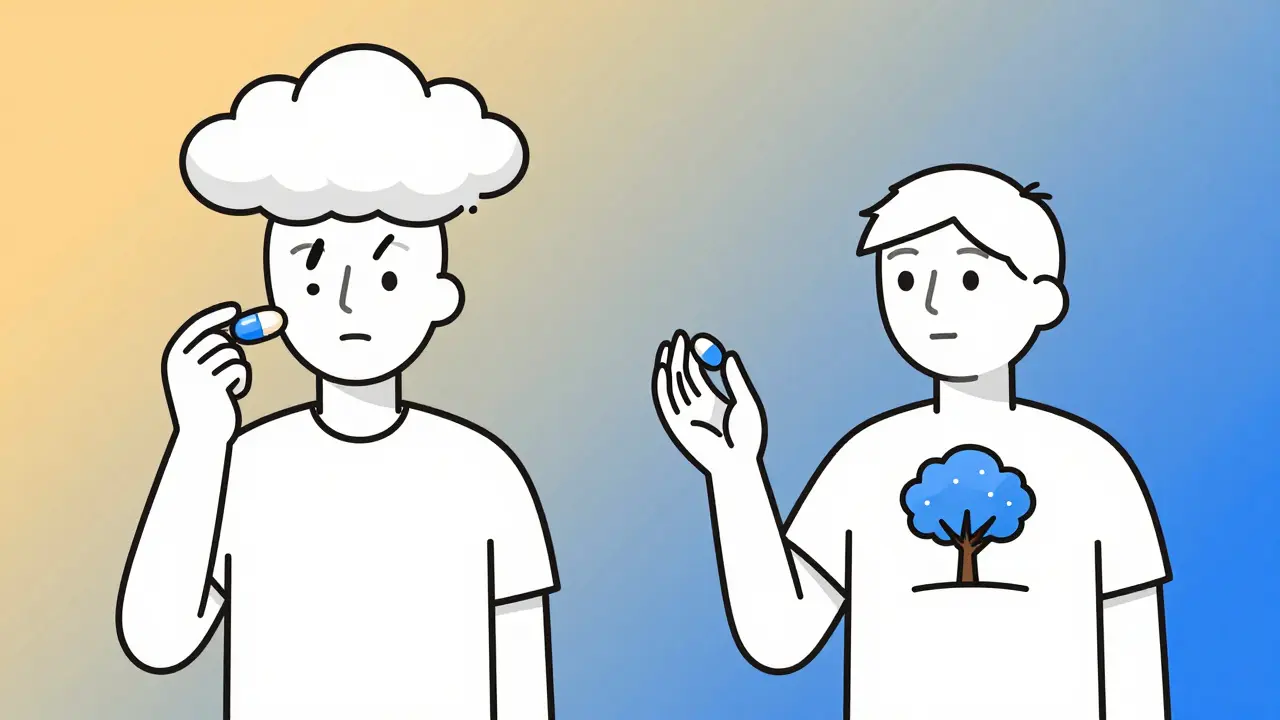
Combining Medication and Behavior: Why It Works Best
The landmark MTA study from 1999 followed over 500 children with ADHD for 14 months. It compared four groups: medication only, behavioral therapy only, medication + behavior, and community care (what most kids got back then).
The results were clear: the combination group did best-not just in attention, but in family relationships, academic performance, and self-esteem. Medication gave them the focus to learn. Behavioral strategies gave them the tools to keep learning.
That’s still true today. The American Academy of Pediatrics and the American Academy of Child and Adolescent Psychiatry both say the same thing: combine medication with behavioral therapy. One without the other is like driving a car with one brake.
Even if you’re an adult, this applies. A 2022 follow-up of the MTA study showed that people who stayed on medication and used coping strategies into adulthood had better job stability and fewer legal problems than those who stopped treatment.
What to Watch For: Side Effects, Growth, and Long-Term Use
Parents often worry about growth suppression. Studies show kids on stimulants may grow slightly slower in the first year-about half an inch less per year. But by year three, most catch up. Doctors check height and weight every six months for this reason.
Emotional blunting is another concern. Some people feel “numb” or “like a robot” on stimulants. This isn’t normal. If your child seems flat, uninterested, or unusually quiet, talk to your doctor. It might mean the dose is too high. Lowering it often brings back their personality.
Rebound effects-irritability, moodiness, or crying as the medication wears off-are common in kids. Giving a small, short-acting dose in the late afternoon can help smooth the transition. Or switching to a longer-acting form that doesn’t drop off so sharply.
Long-term safety? The FDA still lists warnings for heart risks and psychiatric side effects. But large studies, including the 20-year MTA follow-up, show no evidence that ADHD meds cause lasting harm when used properly. The biggest risk? Stopping too soon.
One in four kids stop taking medication by adolescence-not because it doesn’t work, but because side effects are uncomfortable or they feel they don’t need it anymore. That’s often when things fall apart.
Cost, Access, and New Options
Generic methylphenidate costs $15 to $25 a month. Brand-name extended-release versions like Vyvanse or Concerta can hit $250 to $400 without insurance. Most U.S. insurers require you to try the cheapest option first-step therapy. If it doesn’t work, you can appeal.
New options are coming. AZSTARYS, approved in 2023, is a dual-release formula designed to reduce misuse while lasting 13 hours. Digital therapies are also gaining ground. EndeavorRx, an FDA-cleared video game for kids aged 8 to 12, improves attention through cognitive training. VR-based programs are now in phase 3 trials.
Genetic testing is starting to help too. Tests like Genomind’s PGx Express can predict whether someone is likely to respond to certain stimulants based on liver enzymes (CYP2D6, CYP2C19). If you’ve tried three meds and none worked, this could save months of trial and error.
What’s Next? Finding Your Path
There’s no one-size-fits-all ADHD treatment. What works for your neighbor might not work for you. The goal isn’t to be “normal.” It’s to be functional, calm, and in control of your life.
Start with a full evaluation. Rule out sleep problems, anxiety, or learning disorders-they often look like ADHD. Then, talk to your doctor about your priorities: Is sleep more important than focus? Do you need to avoid any drug with abuse potential? Are you willing to do daily behavioral work?
Medication isn’t a cure. But when paired with the right strategies, it’s the most powerful tool we have. You don’t have to choose between pills and therapy. You can-and should-use both.
Track your progress. Keep a simple log: What time did you take your med? How was your focus? Did you sleep well? Did you feel emotionally okay? After a month, you’ll see patterns. And you’ll know what’s working.
Do stimulants make ADHD worse over time?
No. Stimulants don’t make ADHD worse. They help manage symptoms while you’re taking them. Long-term studies, including a 20-year follow-up of the MTA trial, show no evidence that stimulants damage the brain or worsen symptoms later in life. Some people stop taking them during adolescence because they feel they don’t need them anymore-but this often leads to a return of problems. The issue isn’t the medication; it’s stopping treatment too soon.
Can you outgrow ADHD and stop medication?
Some people do. About 30% of children with ADHD see symptoms fade significantly by adulthood. But many continue to struggle with organization, time management, and impulsivity. Stopping medication should be a slow, planned process-not a sudden decision. Work with your doctor to test life without meds, maybe during a low-stress time like summer break. If symptoms return, it’s not a failure-it’s information.
Are non-stimulants less effective than stimulants?
On average, yes. Stimulants work for 70 to 80% of people; non-stimulants help 50 to 60%. But effectiveness isn’t just about numbers. If someone has tics, anxiety, or a history of substance use, non-stimulants may be far more effective for them. Also, non-stimulants don’t cause appetite loss or sleep problems, which makes them easier to stick with long-term. For some, the trade-off is worth it.
How long does it take for behavioral therapy to work?
It depends. For kids, parent training shows noticeable changes in 4 to 8 weeks with consistent practice. Adults using CBT for ADHD often feel better in 6 to 12 weeks. But behavioral therapy isn’t about quick fixes-it’s about building new habits. Think of it like learning to play piano. You won’t master it in a week, but after months of daily practice, it becomes second nature. The key is consistency, not speed.
Can ADHD meds cause addiction?
When taken as prescribed, stimulants have very low risk of addiction. In fact, people with ADHD who take stimulants are less likely to develop substance use disorders than those who don’t. The risk comes from misuse-taking higher doses, crushing pills, or sharing medication. That’s why extended-release formulations and non-stimulants are safer options for teens or adults with a history of addiction. Always store meds securely and never share them.
What should I do if my child hates taking their ADHD meds?
First, don’t force it. Resistance often means the side effects are too uncomfortable or the dose is wrong. Talk to your doctor about switching to a different medication, lowering the dose, or trying a non-stimulant. You can also try a patch (Daytrana) or a capsule that can be opened and mixed with applesauce. For older kids, involve them in the decision. Ask what’s bothering them. Is it the taste? The hunger? The stigma? Solutions exist-just don’t give up too soon.
Is it okay to skip ADHD meds on weekends or holidays?
Some doctors allow “medication holidays” if the child doesn’t need focus outside school-like on weekends or summer break. But for many, ADHD affects family life, social interactions, and emotional regulation all the time. Skipping meds can lead to increased conflict, poor sleep, or emotional outbursts. If you want to try a break, do it under your doctor’s guidance. Track behavior closely. If things get worse, it’s a sign the meds are helping more than you realize.

10 Comments
I used to think meds were the answer until I realized my brain just needed structure, not chemicals. Now I use a whiteboard, alarms, and a strict 'no screens before 8pm' rule. No pills, no crash, no guilt. Just me and my messy desk, finally in control.
This is exactly what I needed to hear. I've been fighting my own brain for years thinking I was lazy. Turns out I just needed the right combo-Vyvanse in the morning and a 10-minute planning ritual before bed. It's not magic, but it's mine now. Thank you for saying this so clearly.
In India, we often dismiss ADHD as 'lack of discipline'-but this article is a revelation. My nephew was labeled 'difficult' until we tried guanfacine + daily visual schedules. Now he draws comic strips about his brain. We celebrate small wins. You are not broken-you are differently wired. Keep going.
I tried everything meds didn't help and I just felt numb like a zombie then I started walking 45 minutes every morning and it changed everything my brain finally stopped screaming
i just wanted to say thank you for writing this i read it all and i cried a little not because im sad but because someone finally got it
It is imperative to note, with the utmost gravity and scholarly precision, that the pharmacological interventions delineated herein, while statistically efficacious in a cohort of individuals diagnosed with Attention Deficit Hyperactivity Disorder, must be contextualized within the broader neurodevelopmental, socioeconomic, and familial frameworks that govern treatment adherence, accessibility, and long-term outcomes. Failure to acknowledge these multivariate determinants constitutes a profound oversimplification of a complex clinical phenomenon.
i've been on methylphenidate for 8 years... the worst part isn't the appetite loss or the insomnia. it's when your kid asks why you're 'so quiet' and you realize you haven't laughed out loud in months. i lowered my dose. i'm still functional. i'm finally me again. 🫂
This whole article is just corporate pharma propaganda wrapped in a pretty bow. They want you dependent. They want you on pills forever. They don't care if you're numb. They just want your insurance to pay. Wake up. The real cure? Get off the grid. Live off-grid. No screens. No deadlines. No meds. Just nature and silence.
I don't know how we let this happen. In my day, we just told kids to sit still and behave. Now we give them pills and video games to fix their laziness. This isn't medicine-it's a cultural surrender. America is crumbling because we've stopped teaching discipline and started medicating weakness.
lol i read half of this and fell asleep. then i woke up 2 hours later and forgot why i opened it. anyway... stimulants are weird.