
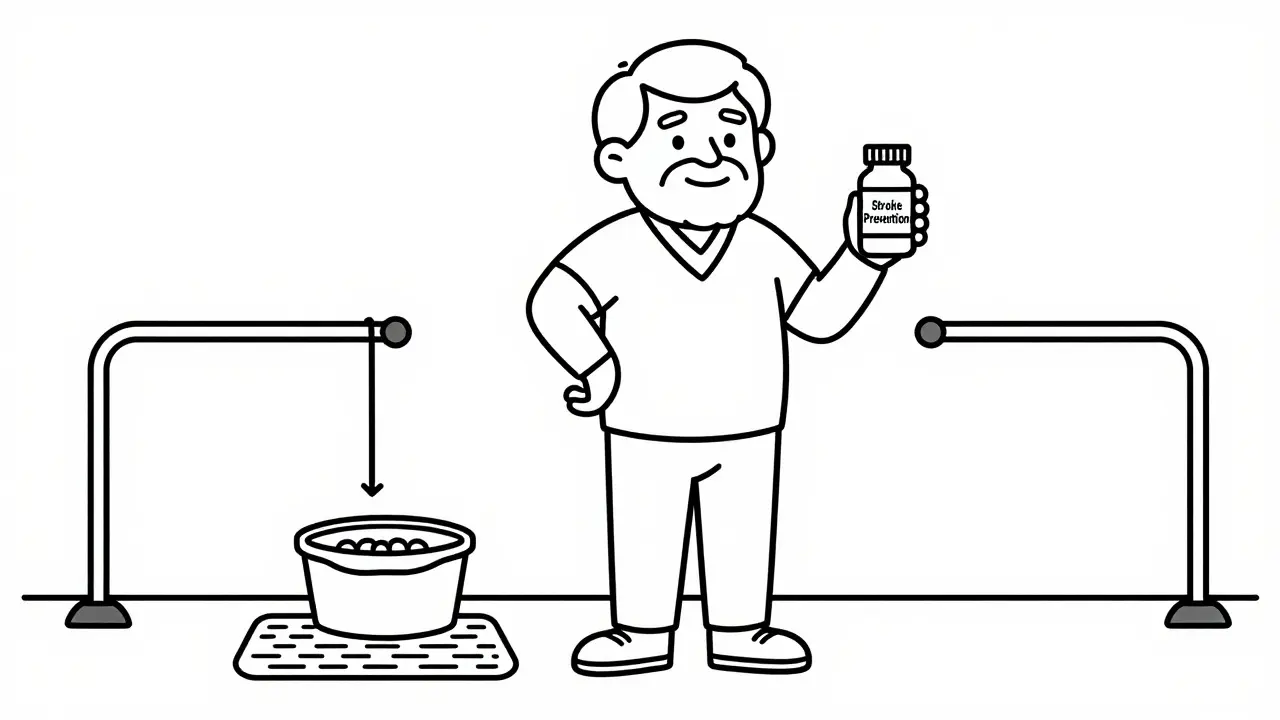
Imagine your parent is 85 years old. They have atrial fibrillation, a common heart rhythm disorder that turns their heartbeat into a chaotic flutter. Their doctor recommends starting an anticoagulant-a blood thinner-to prevent a potentially devastating stroke. But then comes the hesitation. Your parent fell last year. Or maybe they are just clumsy on their feet. The fear is immediate and visceral: if they start this medication and take another tumble, won’t it be fatal?
This dilemma sits at the center of modern geriatric care. For decades, clinicians and families have wrestled with the "fall paradox": does the risk of bleeding from a fall outweigh the benefit of preventing a stroke? The short answer, backed by robust clinical data, is no. The risk of a disabling or deadly stroke from untreated atrial fibrillation far exceeds the risk of severe bleeding from falls, even in the oldest patients. However, understanding *why* this is true-and how to manage the residual risks-requires looking past the fear and into the numbers.
The Math Behind the Decision
To make sense of this trade-off, we need to look at the raw probabilities. Atrial fibrillation (AFib) affects approximately 9% of adults aged 65 and older. Without treatment, the risk of stroke climbs dramatically with age. According to analyses published in the Cleveland Clinic Journal of Medicine, the annual stroke risk for someone with AFib is about 1.5% between ages 50-59, but jumps to 23.5% for those aged 80-89. That means nearly one in four octogenarians with untreated AFib will suffer a stroke each year.
Now consider the alternative: taking anticoagulants. Older drugs like Warfarin, approved by the FDA in 1954, reduce stroke risk by roughly two-thirds. Newer medications known as Direct Oral Anticoagulants (DOACs)-including Dabigatran (Pradaxa), Rivaroxaban (Xarelto), Apixaban (Eliquis), and Edoxaban (Savaysa)-offer similar or superior protection with fewer side effects.
The critical question isn't whether these drugs work; they do. The question is whether the bleeding risk from a fall cancels out the benefit. Research suggests you would need to fall hundreds of times a year for the bleeding risk to equal the stroke prevention benefit. In reality, most elderly patients fall far less frequently than that. A landmark study analyzing over 24,000 patients aged 75 and older found that the oldest cohorts actually derived the *greatest* net clinical benefit from anticoagulation, despite having higher absolute bleeding rates. The math simply favors protection against stroke.
Why Falls Scare Us (And Why That Fear Is Misplaced)
Fear of falling is not irrational. Falls are the leading cause of injury-related death in older adults. Data from Minnesota hospitals indicates that 90% of fall deaths occur in patients either over age 85 or those on anticoagulants. This statistic creates understandable anxiety among caregivers. When a loved one is on blood thinners, a bump on the head feels like a potential catastrophe rather than a minor bruise.
However, context matters. While anticoagulants increase the severity of bleeding if a fall occurs, they do not significantly increase the *likelihood* of falling. In fact, some studies suggest that treating AFib effectively may improve overall health and mobility, indirectly reducing fall risk. Furthermore, the majority of falls do not result in intracranial hemorrhage (bleeding in the brain). Most result in superficial bruises or minor contusions that resolve without complication.
The real danger lies in *untreated* atrial fibrillation. A stroke can leave a senior bedridden, dependent on others for basic care, or worse. Preventing that outcome is the primary goal. As noted in the Journal of Hospital Medicine’s "Things We Do for No Reason" series, discontinuing anticoagulation solely due to fall risk is considered inappropriate practice. The harm caused by withholding life-saving therapy far outweighs the theoretical risk of a bleed from a fall.
DOACs vs. Warfarin: Choosing the Right Tool
Not all anticoagulants are created equal, especially for seniors. The choice between traditional warfarin and newer DOACs significantly impacts safety and convenience.
| Feature | Warfarin | DOACs (e.g., Apixaban, Rivaroxaban) |
|---|---|---|
| Monitoring Required | Yes (INR checks every 4 weeks) | No routine monitoring |
| Bleeding Risk | Higher risk of intracranial hemorrhage | Lower risk of intracranial hemorrhage (up to 34% lower with Rivaroxaban) |
| Dosing Complexity | Variable based on diet/drugs | Fixed dose |
| Kidney Sensitivity | Low | High (cleared renally; requires dose adjustment if kidney function declines) |
| Reversal Agent | Vitamin K / PCC (widely available) | Andexanet alfa / Idarucizumab (available but specialized) |
DOACs are generally preferred for elderly patients because they carry a lower risk of intracranial bleeding-the most feared complication of a fall while on blood thinners. For example, Apixaban has shown a 31% lower major bleeding risk in patients aged 75 and older compared to warfarin in subgroup analyses of the ARISTOTLE trial. Additionally, DOACs require no regular blood tests, which reduces the burden on seniors who may struggle with frequent clinic visits.
However, DOACs are not without drawbacks. They are cleared primarily through the kidneys. Since kidney function naturally declines with age, seniors must have their renal function monitored every 6 to 12 months. If creatinine clearance drops below 50 mL/min, the dose often needs adjustment. Failure to adjust can lead to drug accumulation and increased bleeding risk. Warfarin, while requiring more monitoring, is less dependent on kidney function, making it a viable option for patients with severe renal impairment.
Mitigating the Real Risks
If the decision is made to proceed with anticoagulation, the focus shifts from "whether" to "how." How do we minimize the consequences of a fall? The answer lies in proactive risk mitigation. Clinicians should use validated tools like the HAS-BLED score to assess bleeding risk, but remember: a high score indicates the need for caution, not contraindication.
Effective fall prevention strategies include:
- Medication Review: Eliminate other drugs that cause dizziness or imbalance, such as benzodiazepines, opioids, or certain antihypertensives. Polypharmacy is a major contributor to falls.
- Environmental Modifications: Remove tripping hazards like loose rugs, install grab bars in bathrooms, ensure adequate lighting, and consider non-slip flooring.
- Exercise Programs: Targeted balance training, such as the Otago Exercise Program, has been shown to reduce falls by 35% in meta-analyses. Strength and balance exercises are crucial for maintaining stability.
- Vision and Hearing Checks: Poor sensory input contributes significantly to loss of balance. Regular updates to glasses and hearing aids can help.
Education is also key. Patients and caregivers should know the signs of internal bleeding, such as unusual bruising, black stools, or persistent headaches. Knowing when to seek emergency care can turn a potential disaster into a manageable event.
The Human Element: Trusting the Data
Despite clear guidelines, underutilization remains a problem. Only 55-60% of eligible elderly AFib patients receive recommended anticoagulation, with usage dropping to 48% in those aged 85 and older. A 2021 survey found that 68% of primary care physicians would withhold anticoagulation from an 85-year-old with a history of two falls, even if their stroke risk score was high. This hesitation stems from a lack of clarity regarding risk-benefit ratios in extreme elderly populations.
It is essential for families to advocate for evidence-based care. Ask your doctor: "What is my loved one's CHA2DS2-VASc score?" This score estimates stroke risk. If it is 2 or higher, anticoagulation is strongly recommended. Then ask: "What is our plan to prevent falls?" A good physician will address both sides of the equation, offering a comprehensive strategy that includes medication and fall prevention.
Remember, the goal is quality of life. A stroke can strip away independence entirely. A well-managed anticoagulant regimen, combined with sensible fall precautions, allows seniors to live longer, safer, and more autonomous lives. The fear of falling should not paralyze decision-making; instead, it should motivate proactive safety measures.
Should I stop anticoagulants if my senior parent falls frequently?
No. Stopping anticoagulants due to fall risk is generally discouraged by medical guidelines. The risk of a debilitating stroke from atrial fibrillation is much higher than the risk of serious bleeding from a fall. Instead of stopping the medication, focus on implementing fall prevention strategies like home modifications, balance exercises, and reviewing other medications that might cause dizziness.
Are DOACs safer than Warfarin for elderly patients?
Yes, DOACs (Direct Oral Anticoagulants) like Apixaban and Rivaroxaban are generally considered safer for elderly patients. They have a lower risk of intracranial hemorrhage (bleeding in the brain) compared to Warfarin. They also do not require frequent blood testing. However, they require careful monitoring of kidney function, as they are cleared through the kidneys.
How many falls would a patient need to have for the bleeding risk to outweigh the stroke benefit?
Studies suggest that a patient would need to fall several hundred times per year for the risk of major bleeding to exceed the benefit of stroke prevention. For most seniors, who fall far less frequently, the benefits of anticoagulation clearly outweigh the risks.
What should I do if my senior on blood thinners hits their head after a fall?
Seek immediate medical attention. Even if there are no visible signs of injury, head trauma in patients on anticoagulants carries a risk of intracranial bleeding. Symptoms to watch for include confusion, vomiting, severe headache, or loss of consciousness. Do not wait to see if symptoms develop; get evaluated promptly.
Can kidney problems affect anticoagulant safety in seniors?
Yes. Most DOACs are cleared by the kidneys. As kidney function declines with age, the drug can build up in the body, increasing bleeding risk. It is crucial to have kidney function tested regularly (every 6-12 months) and adjust the dosage accordingly. Warfarin is less affected by kidney issues but requires more complex monitoring.