
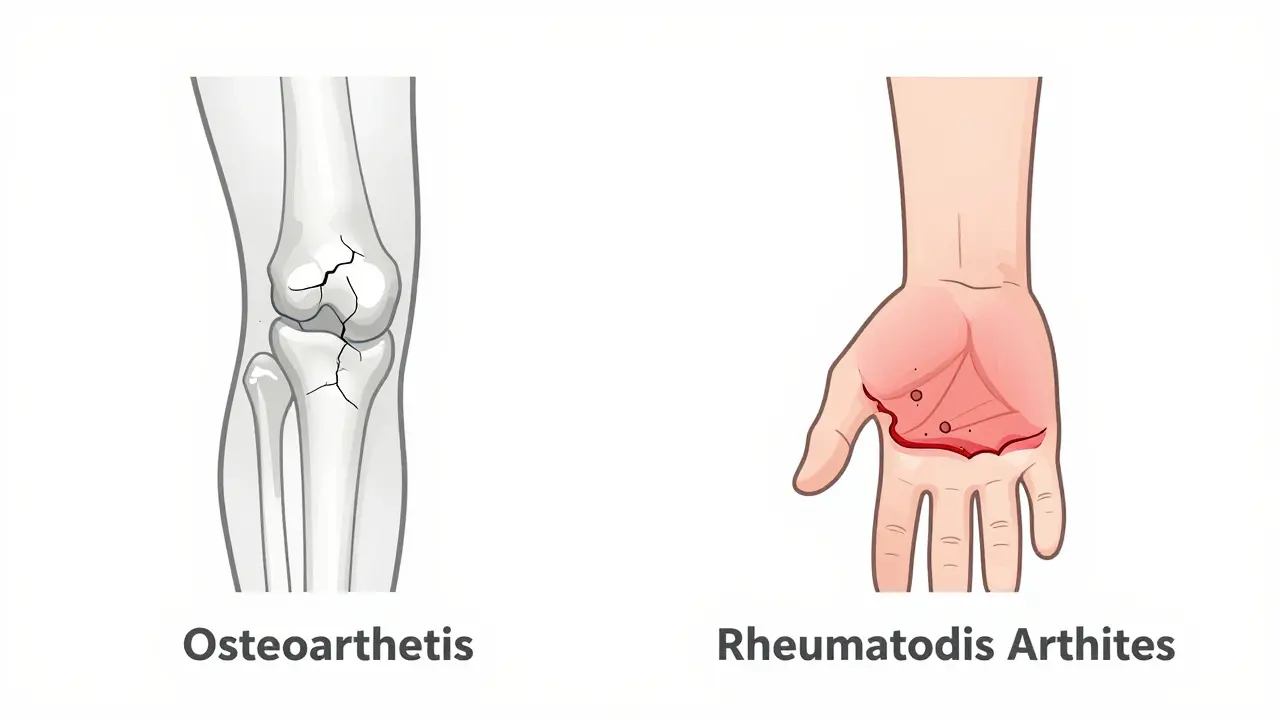
When your knees ache after walking, or your fingers feel stiff in the morning, it’s easy to assume it’s just "arthritis." But not all arthritis is the same. In fact, there are more than 100 types, and two of them - osteoarthritis and rheumatoid arthritis - account for the vast majority of cases. They look similar on the surface: joint pain, swelling, reduced movement. But their causes, progression, and treatments are completely different. Getting them mixed up can lead to the wrong treatment, wasted time, and even permanent damage.
What Is Osteoarthritis?
Osteoarthritis (OA) is what most people think of when they hear "arthritis." It’s the wear-and-tear kind. Your joints have cartilage - a smooth, rubbery tissue that cushions the ends of bones. Over time, that cartilage breaks down. Bone starts rubbing against bone. That’s what causes the pain, the grinding feeling, and the stiffness.
This isn’t just about getting older. While OA is more common after 50, it’s not inevitable. Obesity is a huge factor. Carrying extra weight puts stress on your knees, hips, and spine. Studies show that losing just 5 kilograms (about 11 pounds) can cut knee pain from OA by half. Jobs that involve repetitive motion - like construction work or typing all day - also raise your risk.
The pain usually builds slowly. You might notice it after activity, like climbing stairs or gardening. Rest helps. Morning stiffness? It typically lasts less than 30 minutes. OA doesn’t usually make you feel tired or feverish. It stays in the joints.
Commonly affected areas:
- Knees
- Hips
- Hands - especially the joints closest to the fingertips (DIP joints) and the middle knuckles (PIP joints)
- Spine
Diagnosis is straightforward: X-rays show narrowing joint space, bone spurs, or worn-down cartilage. Blood tests are normal. No inflammation markers. No autoimmune flags.
What Is Rheumatoid Arthritis?
Rheumatoid arthritis (RA) is not about wear and tear. It’s an autoimmune disease. Your immune system - the body’s defense network - mistakenly attacks the lining of your joints (the synovium). This causes inflammation, swelling, and eventually destroys cartilage and bone. It doesn’t just hurt your joints. RA can damage your heart, lungs, eyes, and even your skin.
RA can strike at any age. It often starts between 30 and 60, but it can happen in teens or even children (called juvenile idiopathic arthritis). Women are more likely to get it than men. Smoking and certain genes (like HLA-DRB1) increase your risk.
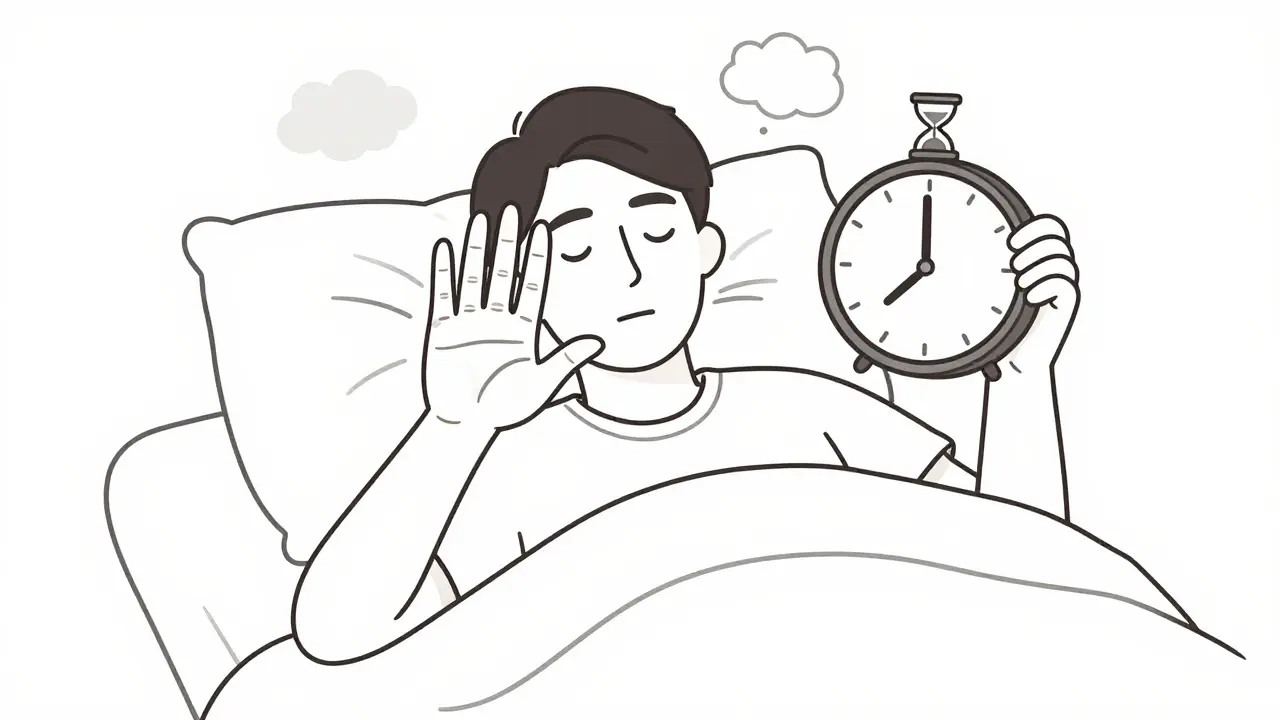
Symptoms come on faster than OA - over weeks or months, not years. Morning stiffness lasts longer than an hour. It’s not just in one joint. RA hits both sides of the body at the same time: both wrists, both knees, both hands. You might feel fatigued, have low-grade fevers, lose weight, or get dry eyes. Some people develop firm lumps under the skin near joints - called rheumatoid nodules.
Unlike OA, RA rarely affects the joint closest to the fingertip. Instead, it targets:
- Wrist joints
- Metacarpophalangeal joints (the knuckles where fingers meet the hand)
- Feet, especially the ball of the foot
Diagnosis requires more than X-rays. Blood tests look for specific antibodies: rheumatoid factor (RF) and anti-CCP. High levels strongly suggest RA. Ultrasound and MRI can detect early inflammation before joint damage shows up on X-rays. The American College of Rheumatology now recommends these tools for early detection.
Key Differences at a Glance
| Feature | Osteoarthritis (OA) | Rheumatoid Arthritis (RA) |
|---|---|---|
| Primary Cause | Mechanical wear and tear on cartilage | Autoimmune attack on joint lining |
| Onset | Gradual, over years | Rapid, over weeks to months |
| Age of Onset | Usually over 50 | Any age, including children |
| Joint Symmetry | Often one-sided | Always symmetrical |
| Morning Stiffness | Less than 30 minutes | Over one hour |
| Systemic Symptoms | No | Yes - fatigue, fever, weight loss |
| Commonly Affected Joints | Knees, hips, DIP fingers | Wrists, MCP knuckles, feet |
| Diagnostic Tools | X-ray (bone spurs, joint space loss) | Blood tests (RF, anti-CCP), ultrasound, MRI |
| Primary Treatment | Weight loss, NSAIDs, physical therapy, joint replacement | DMARDs (methotrexate), biologics, early aggressive therapy |
| Can Be Controlled? | Slowed with lifestyle changes | Can go into remission with proper treatment |
Other Types of Arthritis You Should Know
While OA and RA make up the bulk of cases, other forms are just as important to recognize.
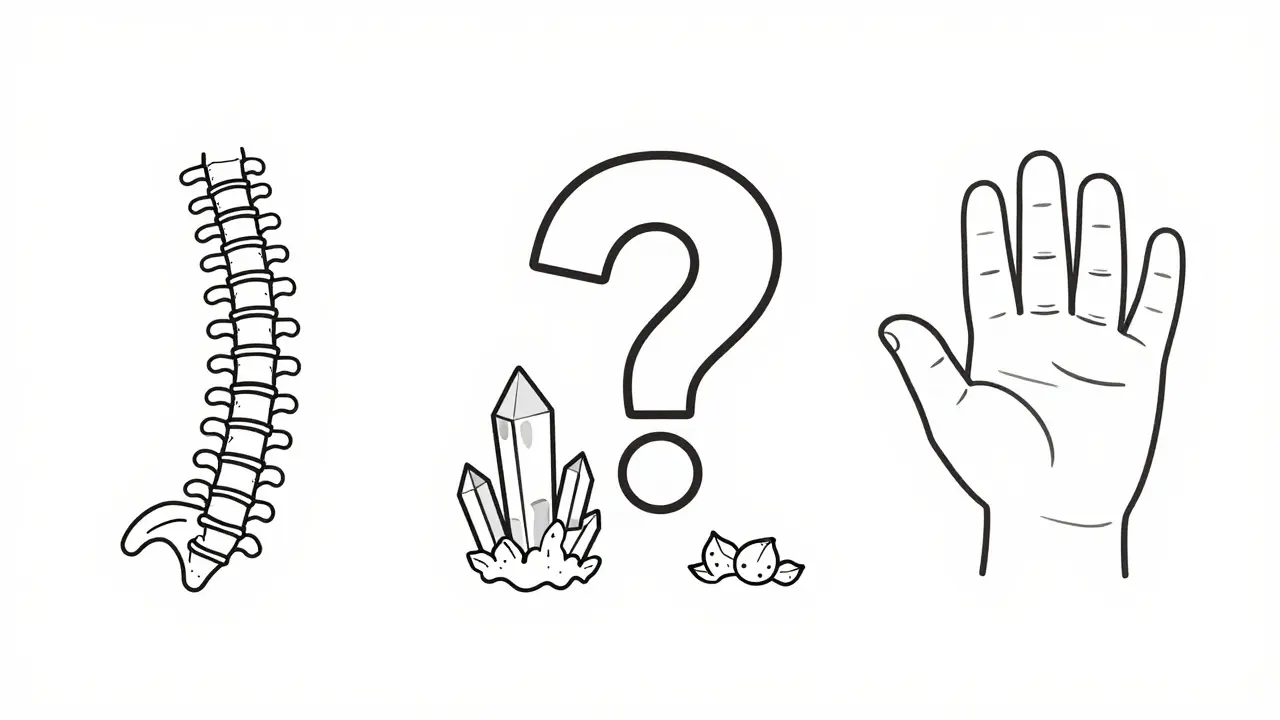
Psoriatic arthritis links to psoriasis - a skin condition with scaly patches. It can affect any joint, but often targets the fingers and toes, causing them to swell like sausages. Nail changes and back pain are common.
Gout happens when uric acid crystals build up in joints. It hits suddenly - often in the big toe - with intense pain, redness, and swelling. Attacks can last days, then disappear for months. Diet (red meat, alcohol) and kidney function play big roles.
Ankylosing spondylitis mainly affects the spine and pelvis. It causes chronic back pain and stiffness, especially in young men. Over time, the spine can fuse. It’s linked to the HLA-B27 gene.
juvenile idiopathic arthritis (JIA) is the most common form of arthritis in kids under 16. Symptoms include joint swelling, fever, and rashes. Early diagnosis is critical to prevent growth problems.
Treatment: Why It Matters
OA and RA need completely different approaches. Mistaking one for the other can have serious consequences.
For OA, the goal is to reduce stress on the joint and manage pain. Weight loss is the most effective strategy. Physical therapy strengthens muscles around the joint. NSAIDs like ibuprofen help with pain and swelling. Injections of corticosteroids or hyaluronic acid can give temporary relief. If the joint is destroyed, replacement surgery works well - 90% of all joint replacements in the U.S. are for OA.
For RA, time is everything. If you wait too long, joint damage can happen within months. Treatment starts with DMARDs - disease-modifying antirheumatic drugs. Methotrexate is the first-line choice. If that’s not enough, biologics (like adalimumab or etanercept) or JAK inhibitors (like tofacitinib) are used. These drugs suppress the immune system to stop the attack. They’re expensive - $20,000 to $50,000 a year - but they can stop progression and even lead to remission in 30% to 50% of patients.
There’s no cure for OA. But you can slow it down. There’s no cure for RA either. But with early, aggressive treatment, many people live full, active lives without major joint damage.
What to Do If You’re Unsure
If you’re experiencing joint pain and stiffness, don’t assume it’s just aging. See a doctor - preferably a rheumatologist - if:
- Stiffness lasts more than an hour in the morning
- Both sides of your body are affected
- You feel tired, lose weight, or have fevers
- Swelling is warm to the touch
- It’s affecting your ability to work or move normally
Don’t wait for it to get worse. Early RA treatment can prevent lifelong disability. And if it’s OA, starting lifestyle changes now can keep you moving for years longer.
Can you have both osteoarthritis and rheumatoid arthritis?
Yes. It’s possible - especially in older adults with RA who’ve had joint damage over time. The wear and tear from RA can lead to secondary OA in the same joints. Doctors look for signs of both: the symmetrical swelling and blood markers of RA, plus the bone spurs and cartilage loss seen on X-rays from OA.
Does diet affect arthritis?
Diet plays a bigger role in some types than others. For gout, avoiding alcohol and red meat is crucial. For RA, some studies suggest omega-3 fatty acids (found in fish) and avoiding processed foods may reduce inflammation. For OA, maintaining a healthy weight is the most important dietary factor - extra pounds increase pressure on joints. There’s no magic arthritis diet, but eating whole foods, cutting sugar, and staying hydrated helps overall joint health.
Is arthritis genetic?
Genetics play a role, especially in RA and ankylosing spondylitis. If a close family member has RA, your risk is higher - but it’s not guaranteed. For OA, genes may affect how your cartilage holds up over time, but lifestyle factors like weight and activity level matter more. Having a genetic marker doesn’t mean you’ll get arthritis - it just means you might be more sensitive to triggers like smoking or obesity.
Can exercise make arthritis worse?
No - in fact, the right exercise helps. Low-impact activities like swimming, cycling, and walking strengthen muscles around the joint, which takes pressure off. For RA, gentle movement prevents stiffness and improves function. Avoid high-impact sports like running if you have knee OA, but staying active is essential. Physical therapists can design safe routines tailored to your type of arthritis.
Are there new treatments on the horizon?
For RA, newer JAK inhibitors are being refined for better safety profiles. Research is also exploring targeted therapies that block specific immune signals without shutting down the whole system. For OA, scientists are testing drugs that might actually repair cartilage - not just mask pain. Platelet-rich plasma (PRP) and stem cell injections are being studied, but evidence is still mixed. Early detection through biomarkers in blood or joint fluid could revolutionize how we catch OA before X-rays show damage.
Final Thought
Arthritis isn’t one disease. It’s a group of conditions with different causes, different symptoms, and different treatments. Osteoarthritis is about mechanical breakdown. Rheumatoid arthritis is about your immune system going rogue. Treating them the same way is like using a bandage for a broken bone. Knowing which one you have - and knowing it early - changes everything. Don’t ignore joint pain. Get it checked. Your future self will thank you.

13 Comments
I’ve had OA for years and honestly? Losing 10 lbs changed everything. No more knee pain when I walk the dog. Just saying 🙌
RA hit me at 28. No family history. No warning. Just woke up one morning and my hands felt like they were full of cement. DMARDs saved my career. If you're young and have symmetrical joint pain? Don't wait. Go to a rheumatologist. Now.
Of course the article says 'OA is just wear and tear' like it's some lazy person's fault. My grandma had OA at 45 because she worked three jobs. Guess she didn't care enough about her knees. 🙄
so like... if you got RA and also got OA from RA? is that like arthritis 2.0? 😅
Anti-CCP is way more specific than RF. I've seen patients with high RF but negative anti-CCP and zero RA. Don't rely on RF alone. Also, ultrasound detects synovitis before X-ray changes. Early intervention is everything.
In my country, we don't even have access to biologics. People just get NSAIDs and hope. It's wild how much the system fails those who need real treatment. I wish this article mentioned global disparities.
The notion that autoimmune disease can be treated with pharmaceuticals is a product of the medical-industrial complex. Nature intended joint degeneration as a signal to slow down, not to inject synthetic chemicals into the bloodstream. We have lost touch with holistic living.
Just to clarify: methotrexate is first-line for RA not because it's cheap (though it is), but because it has the best risk-benefit profile. Biologics aren't 'magic bullets'-they increase infection risk. And yes, JAK inhibitors have black box warnings for thrombosis and malignancy. Always weigh options.
I read this whole thing. And I still don't know if I have OA or RA. I'm 42. My wrists hurt. My knees crack. I drink coffee. I type. I'm tired. I'm confused. I'm scared. I need a wizard.
This article is fine. But honestly? Most people don't care. They just take ibuprofen and keep scrolling. The real problem isn't misdiagnosis-it's that nobody wants to change their lifestyle. Or pay for a rheumatologist. Or stop eating pizza.
Funny how the article never mentions that Big Pharma owns the rheumatology associations. Biologics cost $50k/year. Coincidence? Or just capitalism? I’ve seen patients die because they couldn’t afford the 'cure'.
If you're reading this and you're scared about joint pain? You're not alone. I was too. I started swimming three times a week. No more pain. No meds. Just water. And a lot of deep breaths. You got this.
I'm a physical therapist. I see patients every day who think arthritis means they're done moving. That's not true. Movement is medicine. Even gentle yoga or tai chi can reduce OA pain by 40%. You don't need to be fit. You just need to show up. And keep showing up.