
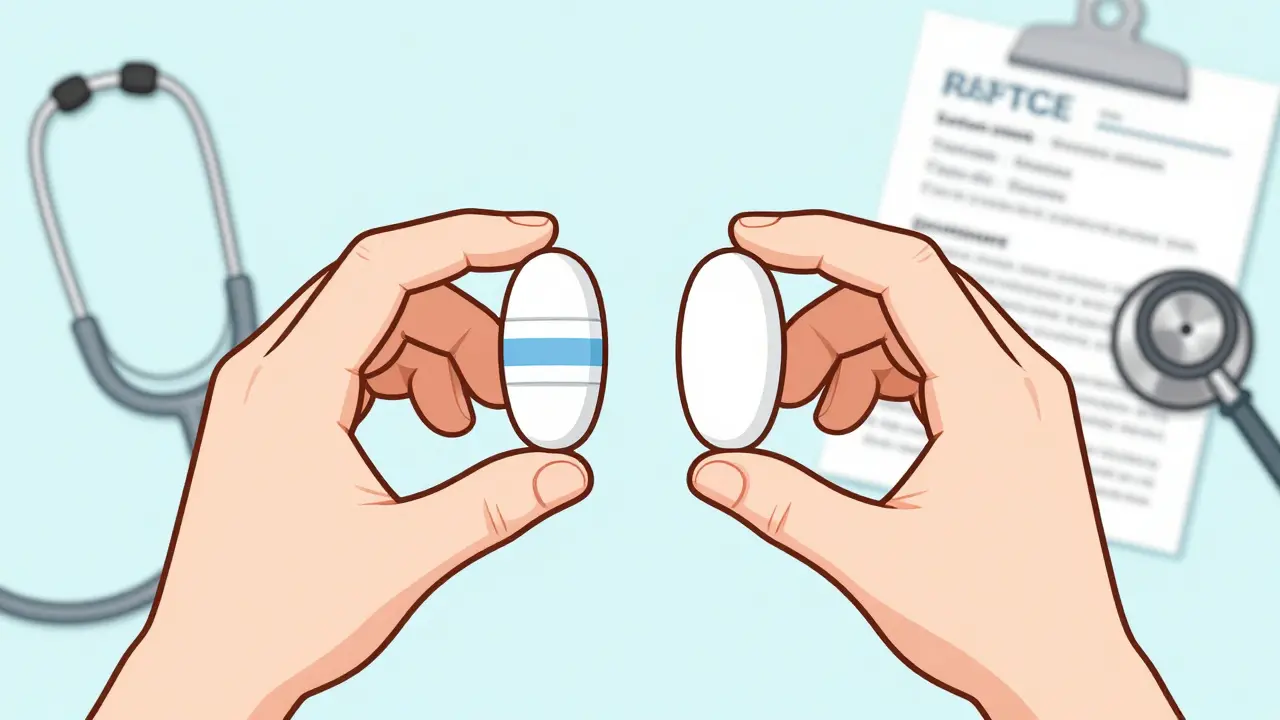
When you’ve been taking a brand-name drug for years, switching to a generic can feel risky. You know how your body reacts to it. You trust the pill’s color, shape, and even the way it tastes. Then your pharmacy hands you a different-looking tablet - same active ingredient, but different fillers, dyes, or coatings. Maybe you feel off. Maybe your blood pressure spikes. Maybe your thyroid levels go haywire. That’s not just in your head. It’s real.
Why the switch to generics sometimes backfires
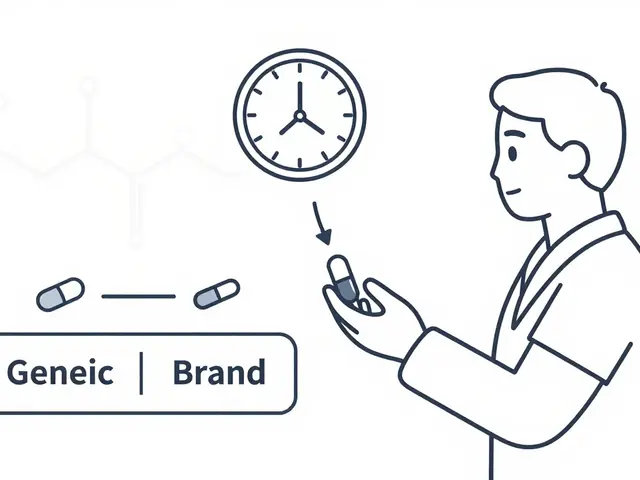
Most generic drugs are perfectly safe. The FDA requires them to have the same active ingredient, strength, and dosage form as the brand. But here’s the catch: they don’t have to match the inactive ingredients. That’s where problems show up. Take levothyroxine, the go-to drug for hypothyroidism. Even tiny changes in fillers like lactose or corn starch can affect how the body absorbs the hormone. Studies show 32% of patients report side effects when switching between brand and traditional generics - mostly because of these hidden differences. For drugs with a narrow therapeutic index - where the difference between an effective dose and a toxic one is razor-thin - that’s not just inconvenient. It’s dangerous. That’s why so many patients end up going back to the brand. Or paying out-of-pocket for it. Or switching pharmacies hoping for the same version. It’s a cycle of frustration, cost, and uncertainty.What are authorized generics?
Enter authorized generics. These aren’t knockoffs. They’re not made by a different company trying to copy the formula. They’re made by the original brand-name manufacturer - same factory, same equipment, same batch code. The only difference? No brand name on the label. Think of it like this: You buy a Coca-Cola from the vending machine. Now imagine the same exact soda, same recipe, same bottling line, but sold in a plain bottle labeled "Cola - 12 oz." That’s an authorized generic. Same product. Lower price. The FDA defines them as a listed drug - meaning it’s approved under the original New Drug Application (NDA) - but sold without the brand name, trademark, or packaging. That means every single ingredient, down to the coating on the pill, is identical to the brand version.How they save money - without sacrificing safety
Authorized generics cost 15-20% less than the brand-name drug. That’s not a discount. That’s real savings. And because they’re exact copies, they don’t trigger the body’s reaction to unfamiliar fillers. For patients on warfarin, lithium, or seizure meds, this isn’t a luxury. It’s a necessity. A 2023 study from GoodRx found patients on authorized generics for narrow therapeutic index drugs reported 70% fewer side effects compared to those switched to traditional generics. One pharmacist on Reddit shared that after switching her levothyroxine patients to the authorized version, nearly all of them reported feeling more stable - no more heart palpitations, no more fatigue, no more lab tests to correct imbalances. And here’s the kicker: insurance usually covers them at the same low copay as traditional generics. Medicare Part D covers them 92% of the time. Commercial insurers follow suit 78% of the time. You’re not paying extra for safety. You’re paying less - and getting the exact same drug.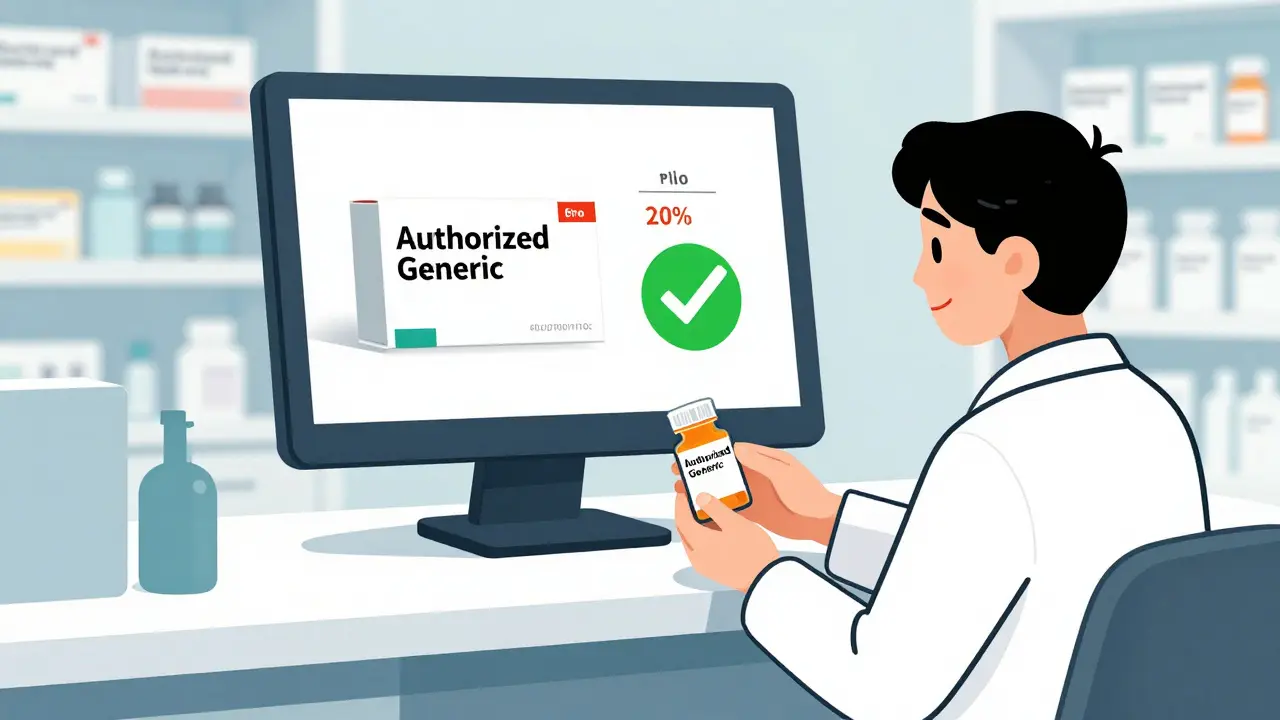
Why aren’t they everywhere?
Only 15-20% of brand-name drugs have an authorized generic version available. Why? Because the brand company decides whether to make one. And sometimes, they don’t want to. Under the Hatch-Waxman Act, the first company to file a generic version gets 180 days of exclusive rights to sell it. But here’s the twist: the brand company can launch its own authorized generic during that window. Suddenly, there are two generics on the market - one from the challenger, one from the brand. Prices drop even more - sometimes 25-30% lower than if only one generic existed. That’s great for consumers. But it also kills the incentive for the first generic company to challenge the patent in the first place. The FTC called this out in 2011. Critics say it’s a loophole. The brand company gets to keep control of the market, undercut the competition, and still profit. The Generic Pharmaceutical Association says 43% of authorized generics launch during that 180-day window - exactly when they’re most damaging to generic competition. But here’s the thing: for patients, it doesn’t matter why it exists. If it’s available, and it’s safer, and it’s cheaper - it’s still the best option.How to get one
You can’t just ask for an authorized generic at the pharmacy counter. Most pharmacists don’t even know the difference unless they’re trained. Here’s how to make it happen:- Ask your doctor to write "Dispense as Written" or "No Substitution" on your prescription - but only if you’re currently on the brand name. This stops the pharmacy from automatically switching you to a traditional generic.
- Call your pharmacy and ask: "Do you carry the authorized generic for [drug name]?" Be specific. Say "authorized generic," not just "generic."
- If they don’t have it, ask them to order it. Most chain pharmacies can get it within 24-48 hours using the National Drug Code (NDC) to cross-reference the brand version.
- Check GoodRx or SingleCare. They list authorized generics separately from traditional ones. You’ll see the same pill image as the brand, but with a lower price.
What to look for on the pill
Authorized generics look almost identical to the brand - but not always. Sometimes the color is slightly off. The imprint code might be different. That’s normal. It’s not a fake. It’s just labeled differently. The FDA allows this to avoid trademark infringement. If you’re unsure, call your pharmacist. Ask: "Is this the same as the brand, just without the name?" They should be able to confirm. If they say "It’s just a generic," push back. Ask if it’s an authorized generic.The future of authorized generics
The FDA is finally catching up. In 2024, they’re launching a new section in the Orange Book - the official list of approved drugs - specifically for authorized generics. Right now, they’re invisible there. That’s why so many pharmacists don’t know about them. The Biden administration has also directed the FDA to crack down on companies that use authorized generics to block competition. That might mean fewer strategic launches during the 180-day window. But for patients, that’s not the main issue. The goal isn’t to punish companies. It’s to make sure you get the safest, cheapest version of your drug - without guessing. By 2026, experts predict authorized generics will make up 12-15% of all generic prescriptions - up from 8.7% in 2022. That’s because more people are demanding them. More doctors are prescribing them. And more insurers are covering them.Bottom line: If you’re switching from brand, ask for the authorized version
You don’t have to accept side effects just because you’re trying to save money. You don’t have to pay full price for the brand if a safer, cheaper alternative exists. Authorized generics aren’t a compromise. They’re the best of both worlds: the exact same drug, at generic prices. If you’re on a drug with a narrow therapeutic index - thyroid meds, blood thinners, epilepsy drugs, heart rhythm meds - don’t settle for a traditional generic unless you’ve been told it’s safe for you. Ask for the authorized version. It’s not a trick. It’s your right.Are authorized generics the same as brand-name drugs?
Yes. Authorized generics are made by the same manufacturer as the brand-name drug, using the exact same ingredients - active and inactive - in the same amounts and forms. The only difference is the packaging and labeling. They are therapeutically identical.
Are authorized generics cheaper than traditional generics?
Usually, yes. Authorized generics typically cost 15-20% less than the brand-name version. Traditional generics may be slightly cheaper, but they’re not identical in formulation. For patients sensitive to inactive ingredients, the small extra cost of an authorized generic is often worth it to avoid side effects.
Can my pharmacist substitute an authorized generic without telling me?
Yes, unless your doctor wrote "Dispense as Written" or "No Substitution." Pharmacists can legally substitute authorized generics just like traditional generics. But many don’t know the difference, so you need to ask. Always check the pill and the label when you pick it up.
Why don’t all brand-name drugs have authorized generics?
The brand manufacturer decides whether to launch one. Some do it to compete with generic companies. Others avoid it to protect their brand’s market share. Only about 15-20% of brand drugs have an authorized generic available. It’s not a requirement - it’s a business choice.
Do insurance plans cover authorized generics?
Yes, most do. Medicare Part D covers them at generic copay levels 92% of the time. Commercial insurers cover them about 78% of the time. They’re treated the same as traditional generics for pricing and coverage purposes.

10 Comments
I switched my levothyroxine to the authorized generic last month and honestly? My energy came back like a miracle. No more afternoon crashes, no more weird heart flutters. I didn’t even know how bad it had gotten until it was gone. 🙌
My grandma’s been on warfarin for 12 years. She switched to the authorized generic after her pharmacist finally explained the difference. Her INR stayed perfect. No more monthly blood draws. She calls it her ‘stealth brand.’ 😊
This whole thing is just corporate manipulation disguised as patient care. Authorized generics? More like ‘brand-name in disguise’ so Big Pharma can still make bank while pretending to help. You’re being played.
I work in a community pharmacy in rural Ohio, and I can tell you-most of our patients have no idea what an authorized generic is. We get asked about it maybe once a month. Once we explain it, they’re usually thrilled. The problem isn’t the drug-it’s the lack of education. Pharmacists need better training, and patients need clearer labeling. I’ve started printing little handouts. It’s a small thing, but it helps. 🙏
There’s a philosophical paradox here: the most authentic version of a drug is the one that removes its identity. The brand name is the illusion-the packaging, the marketing, the emotional attachment to a color or shape. The authorized generic strips that away and reveals the truth: it’s just chemistry. And yet, we cling to the illusion because we fear the unknown. We fear change. We fear that if the pill looks different, it must be different. But science doesn’t care about branding. Only our minds do.
They don’t want you to know this, but authorized generics are just the first step. The real agenda? They’re testing how much control they can take over your medication supply. Next thing you know, they’ll be embedding microchips in the pills to track your compliance. Or worse-slowing down the release to make you dependent. I’ve seen the patents. It’s not paranoia. It’s paperwork. 🤫
My doctor didn’t even know what an authorized generic was until I showed him the GoodRx page. Now he writes ‘no substitution’ and adds a note: ‘If available, dispense authorized.’ We’re all learning. But if you’re on a narrow therapeutic index drug-don’t wait. Ask. Ask again. And then ask your pharmacist to call the wholesaler. It’s worth it.
Ugh. Another ‘patient empowerment’ article that ignores the fact that 60% of people can’t afford to even ask for the ‘authorized’ version. You talk about savings-but what about the people who can’t afford to wait 48 hours for a special order? Or who don’t have a phone to call? This isn’t a solution. It’s a luxury for the privileged.
Carolyn, your comment made my day. I’m on lithium and switched last week-same thing. No more tremors. I didn’t realize how shaky I was until I wasn’t anymore. Thank you for sharing. 💙
While the data presented is statistically significant, the regulatory framework under which authorized generics operate remains fundamentally inconsistent with the principles of market competition as defined under the Sherman Antitrust Act. The strategic timing of authorized generic launches during the 180-day exclusivity window constitutes a form of anti-competitive behavior that warrants formal FTC intervention. The fact that patients benefit does not absolve the structural distortion of market incentives.