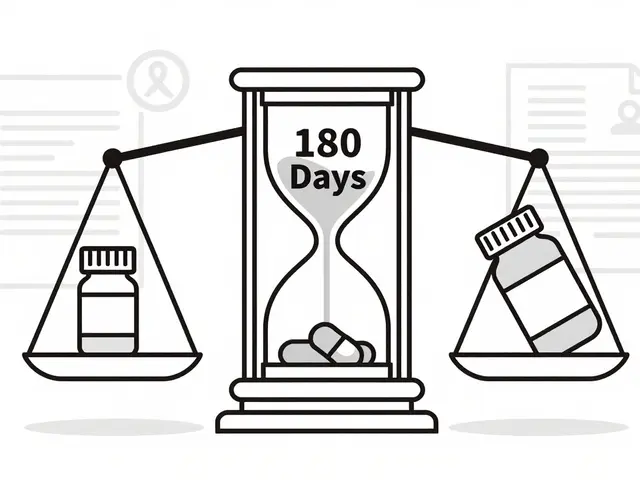

Imagine taking two life-saving medications where the difference between a cure and a crisis is razor-thin. Now imagine combining them into a single pill, or switching one to a cheaper generic version without warning. For patients on Narrow Therapeutic Index (NTI) drugs, which are medications with minimal separation between effective and toxic doses, this isn't just a hypothetical scenario-it’s a daily reality fraught with risk. While generic versions of single NTI drugs like warfarin or levothyroxine are widely available, the landscape for combination therapies containing these agents is vastly different. In fact, there is a glaring gap in coverage that leaves many patients vulnerable to therapeutic failure or severe toxicity.
The High-Stakes World of NTI Medications
To understand why combination NTI generics are so rare, we first need to look at what makes these drugs unique. Unlike most medications, where you can take slightly more or less than prescribed without immediate danger, NTI drugs have a very narrow window. The minimum toxic concentration is often less than twice the minimum effective concentration in your blood. Common examples include warfarin for blood thinning, levothyroxine for thyroid conditions, lithium for bipolar disorder, and phenytoin for seizures.
When doctors prescribe these drugs, they aren't guessing. They rely on strict therapeutic drug monitoring to keep blood levels within that safe zone. The U.S. Food and Drug Administration (FDA) has identified five key characteristics that define an NTI drug:
- Minimal separation between therapeutic and toxic doses.
- Risk of serious treatment failure or life-threatening side effects from small concentration changes.
- Requirement for regular therapeutic drug monitoring.
- Low variability in how individual patients absorb the drug.
- Frequent need for small dose adjustments during clinical practice.
Because of these traits, even a slight deviation in how much of the drug enters your bloodstream can lead to hospitalization or death. This precision requirement becomes exponentially harder when you combine two such drugs into one regimen.
Why Combination NTI Generics Are Rare
You might wonder why pharmacies don’t just make generic versions of popular combinations. After all, generics save money. The problem lies in bioequivalence-the measure of how similar a generic drug is to its brand-name counterpart in terms of absorption and effect. For standard drugs, the FDA allows a 90% confidence interval of 80.00%-125.00% for both the maximum concentration (Cmax) and total exposure (AUC). That means a generic could theoretically deliver up to 25% more or 20% less drug than the original, and it would still be considered "equivalent."
For single-entity NTI drugs, the rules tightened significantly in 2014 and again in 2022. Manufacturers must now conduct fully replicated, four-way crossover studies showing that 90% of the data falls within 90.00%-111.11% for Cmax and 90.00%-112.00% for AUC. This is a much narrower band, designed to protect patients from dangerous fluctuations.
However, when you combine two NTI drugs-say, warfarin and another narrow-window agent-the math gets messy. If each component has a potential variance of roughly 10-12%, combining them creates a compounding risk. A minor increase in one drug’s absorption could push the patient over the edge into toxicity, especially if the second drug also varies slightly upward. Currently, no fixed-dose combination products containing multiple NTI drugs exist in the U.S. market due to these insurmountable bioequivalence challenges.
| Drug Type | Cmax Range (90% CI) | AUC Range (90% CI) | Study Requirement |
|---|---|---|---|
| Standard Non-NTI | 80.00% - 125.00% | 80.00% - 125.00% | Single-dose crossover |
| Single-Entity NTI | 90.00% - 111.11% | 90.00% - 112.00% | Fully replicated 4-way crossover |
| Combination NTI (Proposed) | 90.00% - 107.69% | 90.00% - 110.00% | Precision modeling required |
Coverage Gaps and Real-World Risks
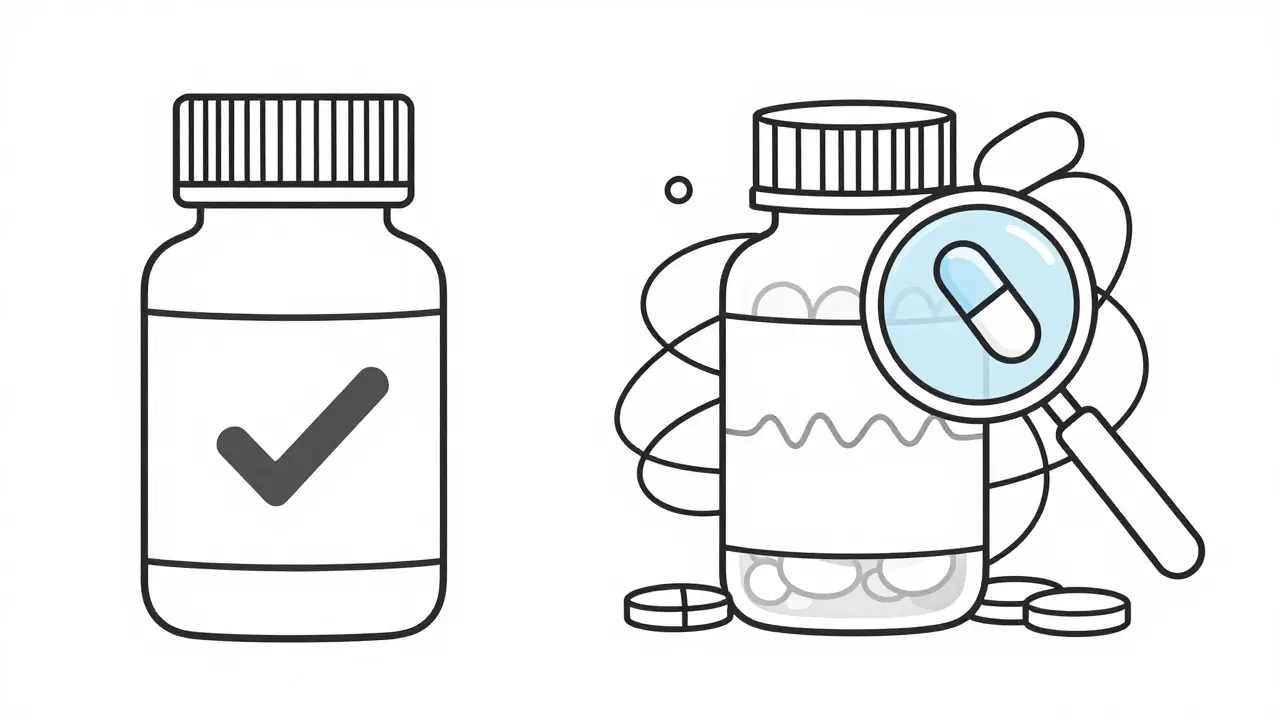
The lack of approved generic combinations creates significant gaps in healthcare coverage and safety. While 87.4% of NTI monotherapies have generic alternatives, only 12.6% of combination regimens involving NTI drugs do. This disparity forces patients and providers into difficult choices. Often, clinicians must prescribe separate pills rather than a convenient combination, increasing the burden on patients who already manage complex health issues.
The risks of unauthorized or poorly monitored generic substitution in these scenarios are real. A 2020 study published in JAMA Internal Medicine found that adverse event rates were 27% higher when generic substitution occurred in combination therapy containing one NTI drug, compared to just 8% in non-NTI combinations. Another study by Dr. Aaron Kesselheim at Harvard Medical School showed that 18.7% of patients on warfarin experienced International Normalized Ratio (INR) instability after switching to a generic, versus only 4.3% on the brand name. When you add a second NTI drug to the mix, those percentages likely climb.
Patient voices echo these statistics. On forums like HealthUnlocked and Reddit, patients frequently report terrifying experiences. One user described their INR spiking from a stable 2.5 to a dangerous 6.8 within three days of switching to a generic warfarin, requiring emergency hospitalization. They noted, "Imagine this risk doubled with both drugs generic." These anecdotes highlight a critical disconnect between regulatory approval and real-world physiological responses.

Regulatory Hurdles and Future Directions
So, why hasn’t the industry solved this? The primary barrier is scientific complexity. Demonstrating bioequivalence for a combination product requires proving that neither drug interferes with the other’s absorption in a way that pushes levels out of the narrow therapeutic window. Current methods struggle to capture this dynamic interaction accurately.
Recognizing this, the FDA released draft guidance in February 2023 proposing even tighter standards for fixed-dose combinations containing NTI drugs. The proposal suggests narrowing the Cmax range to 90.00%-107.69% and AUC to 90.00%-110.00%. The European Medicines Agency (EMA) implemented similar stringent standards in January 2023. Additionally, the FDA plans a pilot program in 2024 for "precision bioequivalence" testing using advanced pharmacometric modeling. This approach aims to simulate real-world variability more accurately than traditional clinical trials.
Despite these efforts, experts remain divided. Dr. Robert Temple, former FDA official, believes advances in manufacturing precision will eventually overcome these barriers. Conversely, Dr. Lewis Nelson from NYU argues that the fundamental pharmacokinetic challenges make true therapeutic equivalence unattainable with current technology. Until consensus is reached, the market remains stagnant.
Practical Implications for Patients and Providers
For now, managing combination NTI therapy requires vigilance. Costs are higher, averaging $1,200-$2,500 annually per patient for comprehensive monitoring, compared to $400-$800 for non-NTI combinations. Clinicians typically spend 6-8 weeks stabilizing patients on these regimens, making an average of 3.2 dose adjustments. Pharmacists play a crucial role, often requiring specialized training exceeding 120 hours to manage these therapies safely.
If you are on such a regimen, here are some practical steps to consider:
- Avoid automatic substitutions: Ask your pharmacist to flag any NTI-containing prescriptions before switching brands.
- Monitor closely: Expect more frequent blood tests, especially in the first few weeks after any change in medication source.
- Communicate openly: Report any subtle changes in symptoms immediately, as they may indicate shifting drug levels.
- Check insurance coverage: Some plans may cover brand-name NTI combinations under prior authorization if generics pose a documented risk.
The gap in generic availability for combination NTI drugs is not just a supply chain issue; it’s a patient safety imperative. Until science and regulation catch up to the complexity of these treatments, caution remains the best policy.
What exactly is an NTI drug?
An NTI (Narrow Therapeutic Index) drug is a medication where the difference between a helpful dose and a harmful dose is very small. Examples include warfarin, lithium, and phenytoin. Small changes in how much of the drug is in your blood can lead to treatment failure or serious side effects.
Are there generic versions of combination NTI drugs?
Currently, there are virtually no approved fixed-dose generic combinations containing multiple NTI drugs in the U.S. market. While generics exist for single NTI drugs, combining them presents significant bioequivalence challenges that manufacturers have yet to overcome under current regulations.
Is it safe to switch from brand-name to generic NTI drugs?
It depends. For single-entity NTI drugs, generics are generally safe but require close monitoring. However, for combination therapies involving NTI drugs, switching can increase the risk of adverse events. Studies show higher rates of instability when generics are substituted in complex regimens. Always consult your doctor or pharmacist before making a switch.
How do bioequivalence standards differ for NTI drugs?
Standard drugs allow a bioequivalence range of 80-125%. NTI drugs have tighter standards, typically 90-111.11% for peak concentration and 90-112% for total exposure. Proposed rules for combination NTI drugs suggest even narrower ranges to minimize risk.
What should I do if my pharmacy switches my NTI medication?
If your pharmacy switches your NTI medication, contact your healthcare provider immediately. Request additional monitoring, such as blood tests, to ensure your drug levels remain within the therapeutic window. Do not ignore new or worsening symptoms, as they may signal a problem with the new formulation.