
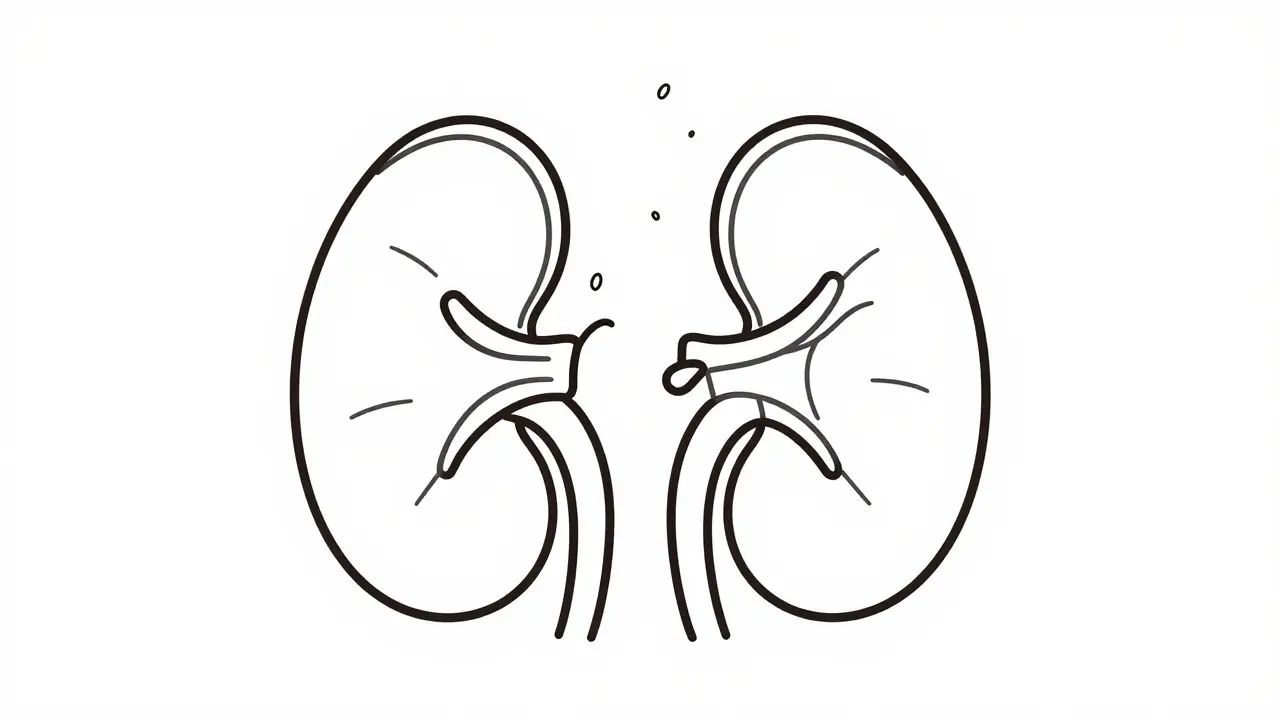
Your kidneys are working hard right now. They filter about 150 quarts of blood every single day, removing waste and balancing fluids. But if you have diabetes, those filters take a beating. The damage often starts silently, long before you feel any pain or notice swelling in your legs. By the time symptoms appear, significant harm may already be done. That is why catching Diabetic Kidney Disease early is not just a medical recommendation; it is a survival strategy.
The biggest clue your kidneys are struggling is protein leaking into your urine. This condition, known as albuminuria, is the earliest warning sign. It tells us that the tiny blood vessels inside the kidney’s filtering units, called glomeruli, are becoming leaky due to high blood sugar and pressure. If we catch this leak early and tighten control over blood sugar and blood pressure, we can often stop the disease in its tracks. Let’s look at how to spot these signs and what you need to do about them.
Understanding the Silent Leak: What Is Albuminuria?
Think of your kidneys like a coffee filter. A good filter keeps the grounds (protein) in the cup while letting the liquid (clean blood) pass through. In diabetic kidney disease, that filter gets holes punched in it. Albumin, a type of protein, escapes from your blood into your urine. You cannot see this with your naked eye initially, which is why regular testing is non-negotiable.
Doctors use a specific test called the Urine Albumin-to-Creatinine Ratio (UACR) to measure this leak. According to guidelines from the Kidney Disease: Improving Global Outcomes (KDIGO) organization, here is how they classify the results:
- Normal: Less than 30 mg/g. Your filters are holding up well.
- Moderately Increased: 30 to 300 mg/g. Formerly called 'microalbuminuria,' this stage signals early damage. It is the critical window for intervention.
- Severely Increased: More than 300 mg/g. Formerly 'macroalbuminuria,' this indicates advanced damage and higher risk of progression to kidney failure.
It is important to know that a single abnormal test does not mean you have permanent kidney disease. Factors like intense exercise within 24 hours, fever, urinary tract infections, or even menstruation can temporarily spike albumin levels. Guidelines mandate that two out of three abnormal UACR tests collected over a three-to-six-month period must confirm the diagnosis. Do not panic after one bad result, but do follow up immediately.
The Power of Tight Glycemic Control
High blood sugar is toxic to the delicate lining of your blood vessels. When glucose levels stay high for too long, they stiffen the vessel walls and cause inflammation. This is the primary driver of diabetic kidney disease. The evidence linking tight blood sugar control to kidney health is overwhelming and has been proven for decades.
Landmark studies like the Diabetes Control and Complications Trial (DCCT) showed that keeping hemoglobin A1c (HbA1c) levels below 7.0% reduced the incidence of early kidney damage by 39% in people with type 1 diabetes. For those with type 2 diabetes, the United Kingdom Prospective Diabetes Study (UKPDS) found that every 1% reduction in HbA1c lowered the risk of developing diabetic kidney disease by 21%. This benefit creates a "metabolic memory," meaning the protection you gain from tight control today continues to protect your kidneys years later, even if your numbers fluctuate slightly in the future.
Current standards from the American Diabetes Association (ADA) recommend an HbA1c target of less than 7.0% for most adults. However, if you have had diabetes for a short time and are at low risk for low blood sugar episodes, aiming for less than 6.5% might be appropriate to prevent onset. Always discuss personalized targets with your doctor, as "tight" control looks different for everyone.
Blood Pressure: The Hidden Accelerator
If high blood sugar is the fuel, high blood pressure is the spark that accelerates kidney damage. High pressure forces blood through the kidney filters too aggressively, tearing them apart faster. Managing blood pressure is just as important as managing blood sugar.
| Guideline Source | Recommended Target | Key Context |
|---|---|---|
| KDIGO (Kidney Disease: Improving Global Outcomes) | <120/80 mmHg | Especially for patients with severely increased albuminuria (>300 mg/g). Intensive control slows decline but requires careful monitoring. |
| ADA (American Diabetes Association) | <140/90 mmHg | For most patients with diabetes and hypertension. Balances kidney protection with safety risks like dizziness or acute kidney injury. |
| SPRINT Trial Data | <120 mmHg (Systolic) | Showed 39% reduction in macroalbuminuria but increased risk of acute kidney injury. Use with caution. |
You likely need medication to reach these targets. The gold standard drugs are ACE inhibitors (like lisinopril) or ARBs (like losartan). These medications do more than lower blood pressure; they specifically reduce pressure inside the kidney filters, slowing the leak of albumin. Studies show that titrating these drugs to the maximum tolerated dose can reduce the progression from early to late-stage kidney disease by over 50%. Do not stop taking them because your blood pressure is normal; they are protecting your kidneys directly.
New Frontiers: SGLT2 Inhibitors and Beyond
For years, our toolkit was limited to blood sugar pills and blood pressure meds. That changed dramatically with the introduction of SGLT2 inhibitors. Originally designed to lower blood sugar by flushing glucose out through urine, doctors discovered these drugs have profound protective effects on the heart and kidneys.
Drugs like empagliflozin (Jardiance) and dapagliflozin (Farxiga) have become first-line therapies for diabetic kidney disease. The EMPA-KIDNEY trial published in the New England Journal of Medicine demonstrated that empagliflozin reduced the risk of progressing to severe kidney failure by 28% in patients with existing kidney issues. These drugs work by reducing the workload on the kidneys and decreasing inflammation.
Another emerging player is finerenone, a non-steroidal mineralocorticoid receptor antagonist. Recent data shows it can reduce albuminuria by 32% and slow the decline of kidney function by 23% over three years when added to standard care. If you have persistent albuminuria despite being on an ACE inhibitor or ARB, ask your doctor if an SGLT2 inhibitor or finerenone is right for you.
Barriers to Care and How to Overcome Them
Knowing what works is one thing; doing it consistently is another. Real-world data paints a sobering picture. Only about half of adults with diabetes achieve their blood sugar goals, and fewer than 13% meet all three key targets: blood sugar, blood pressure, and cholesterol. Why? Because life is complicated, and healthcare systems are fragmented.
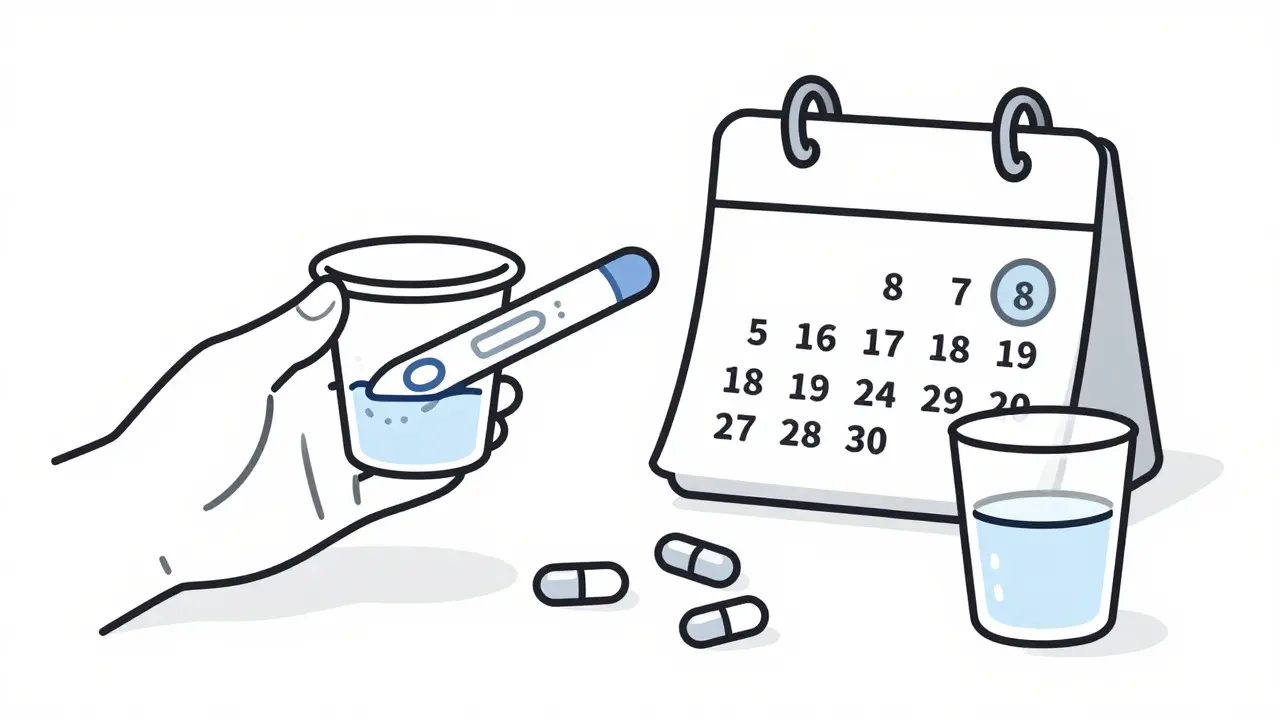
Common barriers include lack of reminders for annual UACR testing, confusion about how to collect urine samples correctly, and side effects from medications causing patients to quit. To fight back, you need a proactive approach:
- Automate Your Screening: Ensure your electronic health record has alerts set for annual UACR and eGFR checks. If you change doctors, carry your last year’s results with you.
- Master the Sample: Spot-check urine tests are preferred. Collect the first-morning urine sample, as it is most concentrated and accurate. Avoid heavy exercise or eating high-protein meals the day before.
- Medication Adherence: If ACE inhibitors cause a dry cough, ask about switching to an ARB. If SGLT2 inhibitors cause urinary tract infections, ensure proper hydration and hygiene. Never stop prescribed meds without a replacement plan.
- Lifestyle Synergy: Medication works best when paired with a low-sodium diet (less than 2,300 mg per day) and regular physical activity. Sodium raises blood pressure, counteracting your medications.
Monitoring Frequency and Next Steps
Once albuminuria is confirmed, annual checks are no longer enough. You should monitor your UACR and kidney function (eGFR) every three months. This frequent tracking allows your care team to adjust medications quickly if things start to slip. Remember, a 30% reduction in UACR from your baseline is a major clinical victory, associated with a nearly 50% lower risk of reaching end-stage kidney disease.
The goal is not perfection; it is progress. Even small improvements in blood sugar and blood pressure control yield significant long-term benefits. By treating early albuminuria seriously and leveraging modern therapies like SGLT2 inhibitors, you can keep your kidneys healthy for decades. Take charge of your numbers, communicate openly with your provider, and protect your silent workers.
What is the difference between microalbuminuria and macroalbuminuria?
These terms refer to the amount of albumin protein in your urine. Microalbuminuria (now called moderately increased albuminuria) ranges from 30 to 300 mg/g and indicates early kidney damage. Macroalbuminuria (severely increased albuminuria) is above 300 mg/g and suggests more advanced damage. Both require medical attention, but microalbuminuria offers the best window for reversing or halting progression.
How often should I get my UACR tested?
If you have type 2 diabetes, you should be screened annually starting at diagnosis. If you have type 1 diabetes, screening begins five years after diagnosis. Once albuminuria is detected, or if you start new kidney-protective medications, testing frequency usually increases to every three months to monitor effectiveness.
Can lifestyle changes reverse diabetic kidney disease?
Lifestyle changes alone rarely reverse established kidney damage, but they are crucial for slowing progression. Combining a low-sodium diet, weight management, and regular exercise with tight glycemic and blood pressure control can significantly reduce albumin leakage. In early stages, aggressive management can sometimes return UACR levels to near-normal ranges.
Are SGLT2 inhibitors safe for everyone with diabetes?
SGLT2 inhibitors are generally safe and highly effective for kidney protection, but they are not suitable for everyone. People with a history of genital yeast infections, recurrent urinary tract infections, or certain types of kidney failure may need caution. Always consult your nephrologist or endocrinologist to determine if the benefits outweigh the risks for your specific case.
Why is my UACR high even though my blood sugar is controlled?
High blood pressure, genetic factors, obesity, and smoking can all contribute to kidney damage independent of blood sugar levels. Additionally, transient factors like recent exercise, fever, or infection can temporarily raise UACR. If your UACR remains high despite good glucose control, your doctor may intensify blood pressure management or add medications like SGLT2 inhibitors or finerenone.