
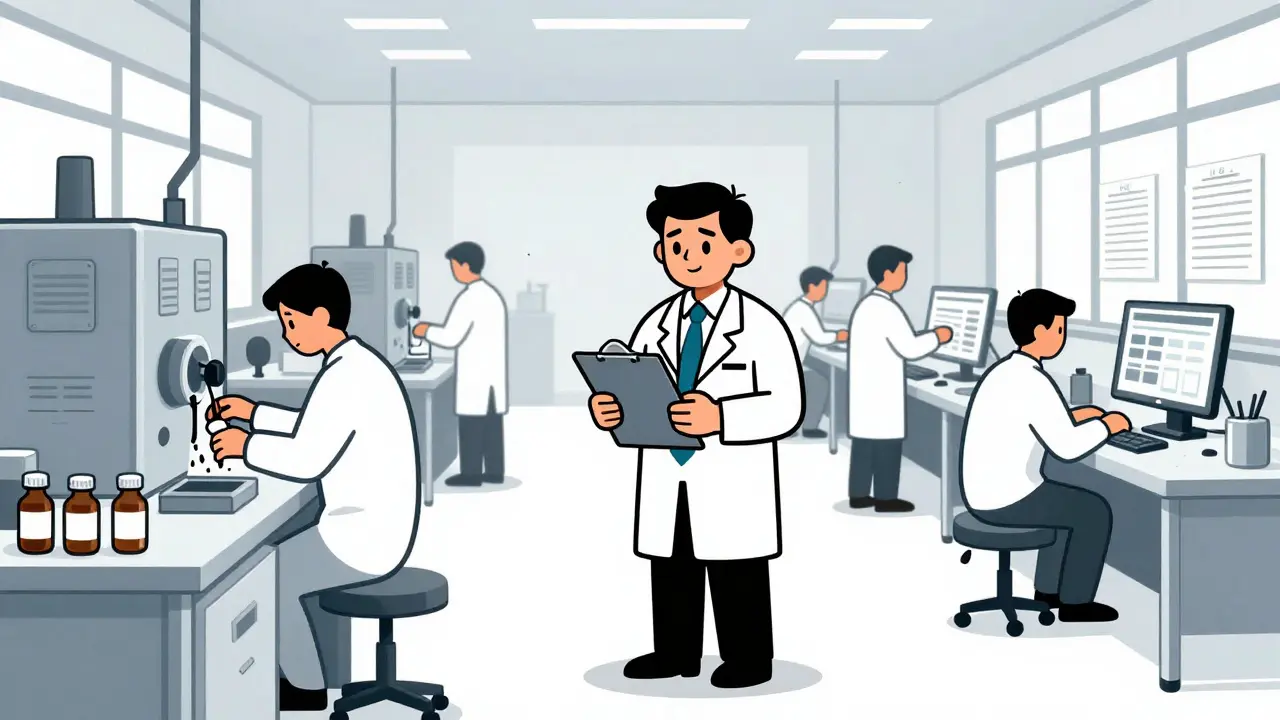
When you pick up a bottle of generic ibuprofen or metformin at your local pharmacy, you probably don’t think about where it was made. But here’s the truth: 80% of the active ingredients in your medicines come from factories in India and China. And while these drugs are cheaper, their safety depends on one thing-whether the factory that made them actually follows the same rules as a U.S. plant. That’s where the FDA comes in.
What the FDA Actually Checks
The FDA doesn’t care if a drug factory is in Ohio or Odisha. What matters is whether it follows Current Good Manufacturing Practices, or CGMP. These aren’t suggestions. They’re legal requirements. Every step-from mixing raw chemicals to sealing pills in blisters-must be documented, tested, and controlled. Inspectors look for things like:- Are workers trained to prevent contamination?
- Do equipment logs show regular cleaning and calibration?
- Is there proof that every batch was tested for purity and strength?
- Are data records real-or were they altered after the fact?
These aren’t theoretical checks. In 2024, 45% of foreign inspections found serious violations. That’s more than double the rate at U.S. facilities. The most common issues? Falsified test results and poor contamination controls. One Indian plant was caught reusing filters from expired batches. Another in China deleted digital records of failed quality tests.
The Double Standard That Changed in 2025
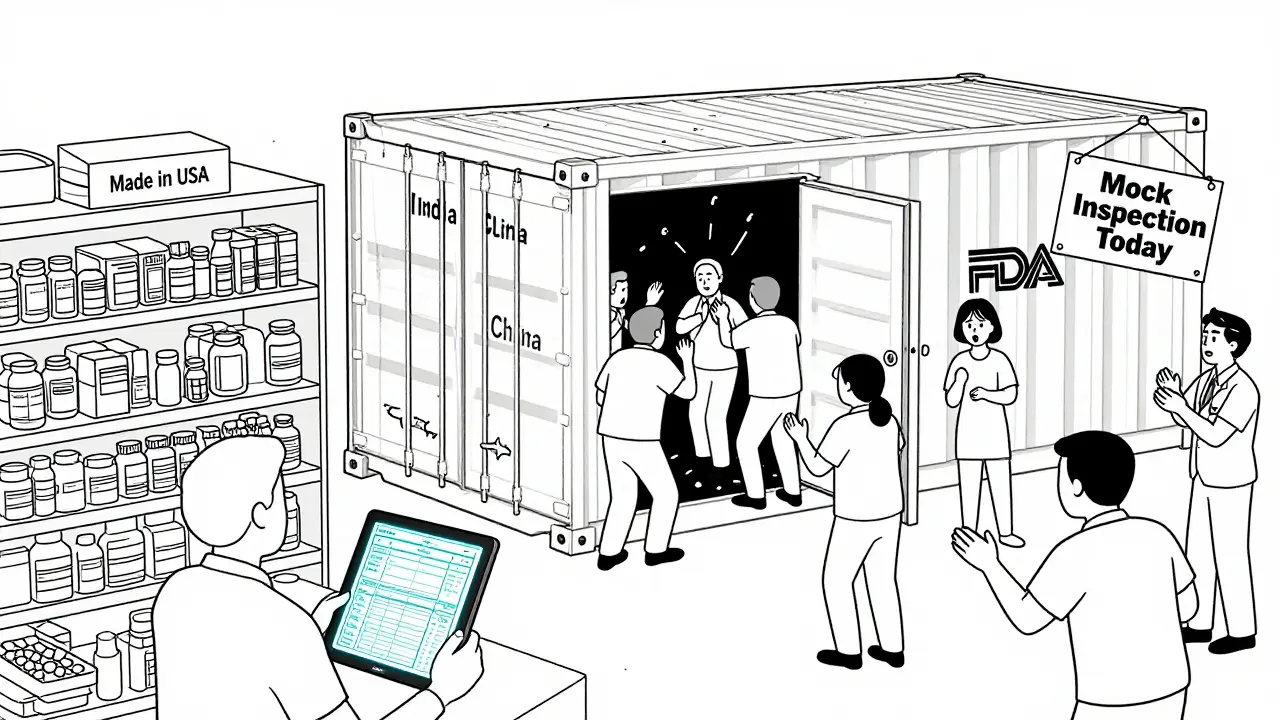
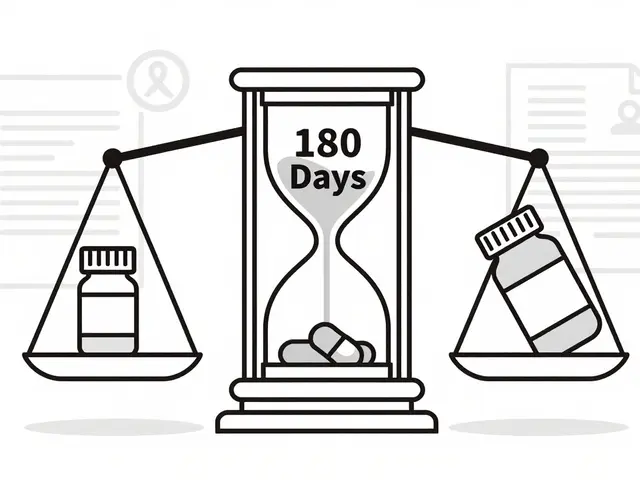
For years, there was a glaring gap. U.S. factories got surprise inspections. No warning. No prep time. Foreign factories? They got 8 to 12 weeks’ notice. That’s like giving a student a syllabus a month before the final exam. It’s no surprise that foreign facilities had 38.7% more data integrity violations than domestic ones.That changed on May 6, 2025. FDA Commissioner Marty Makary announced a major shift: unannounced inspections will now make up at least half of all foreign checks by mid-2026. This wasn’t just policy-it was a response to real failures. ProPublica found that even after a Sun Pharma facility in India was banned for violating CGMP in 2021, four of its drugs still made it into U.S. pharmacies. How? The FDA’s review team overruled inspectors. That’s not oversight. That’s a loophole.
Why Foreign Factories Keep Failing
It’s not that these factories are all bad. Many are clean, modern, and well-run. But the system rewards shortcuts. With weeks to prepare, some facilities do a full cleanup-hiding dirty equipment, printing fake logs, or even bringing in extra staff just for the visit. When inspectors show up unannounced, those tricks don’t work. And that’s the point.Smaller manufacturers struggle most. A PDA survey found 68% of foreign companies expect compliance costs to rise 15-25% under the new rules. For a small plant in Hyderabad, that might mean hiring a full-time quality officer or upgrading lab equipment. Many can’t afford it. Some may shut down. Others may cut corners. The FDA knows this. That’s why they’re hiring 200 new inspectors by 2026.
What’s Being Done to Fix It
The FDA isn’t just increasing inspections. They’re changing the whole model. Here’s what’s new:- Unannounced visits: No more warning calls. Inspectors can show up with 24-48 hours’ notice. Refuse entry? Your entire drug line gets blocked from entering the U.S.
- Real-time documentation: Facilities must now keep digital records accessible during inspections. No more “we lost the paper log.”
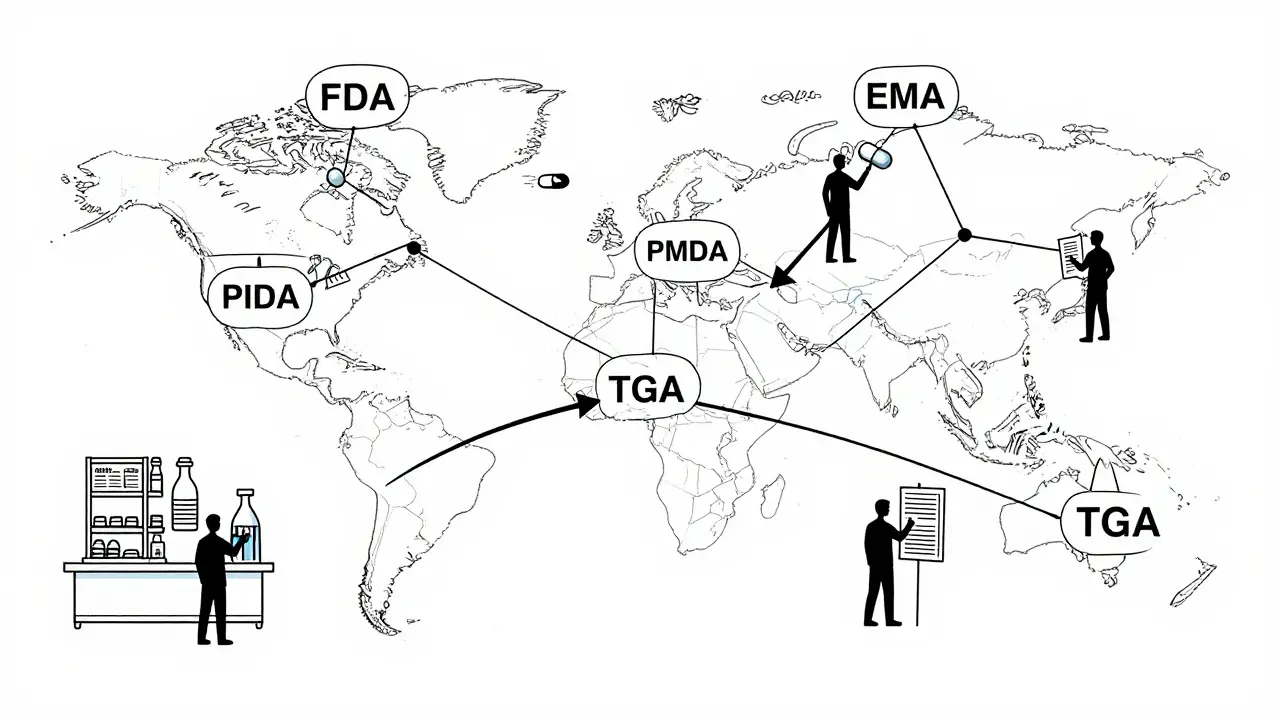
- International cooperation: The FDA now shares inspection findings with the EU’s EMA, Japan’s PMDA, and Australia’s TGA. If a plant fails in India, the EU knows about it.
- Executive Order 14135: Signed in May 2025, this directive forces the FDA to eliminate the inspection gap between U.S. and foreign facilities within 18 months.
Some experts, like Dr. Ameet Sarpatwari from Brookings Institution, say the next step is even bigger: require every U.S. importer of generic drugs to have a Qualified Person-a trained official who physically certifies each batch before it enters the country. The EU already does this. It adds a second layer of accountability. Right now, the FDA trusts the factory. Under the new model, they’d trust the importer too.
What This Means for You
You might not see the changes, but you’ll feel them. In the short term, some generic drugs may become harder to find. Evaluate Pharma predicts a 15-20% dip in availability through late 2026 as factories adjust. But long-term? That’s when safety improves. Fewer contaminated pills. Fewer fake records. Fewer recalls.And here’s the thing: generic drugs aren’t just cheaper. They’re essential. They make up 90% of all prescriptions filled in the U.S. If you’re on a chronic medication-blood pressure, diabetes, thyroid-your access depends on these factories. That’s why this isn’t just about regulation. It’s about trust.
What Manufacturers Need to Do Now
If you run a foreign facility supplying the U.S. market, here’s what you need to do immediately:- Conduct weekly mock inspections. Pretend the FDA is walking in tomorrow.
- Train every employee on documentation. If it’s not written, it didn’t happen.
- Update contamination controls. Air filters, gowning procedures, cleaning schedules-all must be current.
- Review every digital record. Are timestamps real? Are logs editable? If yes, you’re at risk.
- Prepare a response plan. Who answers the door? Who pulls the inspection files? Who speaks to inspectors?
It takes 6-9 months to get ready. Waiting until you get a warning letter is too late. The FDA isn’t just watching. They’re watching harder than ever.
What’s Next?
The FDA’s goal isn’t to shut down foreign factories. It’s to make sure they meet the same standard as U.S. ones. By 2027, every generic drug you take should be as safe as if it was made next door. The tools are there. The rules are clear. Now it’s about execution.If you’re a patient, know this: your medication is being watched more closely than ever. If you’re a manufacturer, the clock is ticking. And if you’re a policymaker? The data doesn’t lie: unannounced inspections work. The question now is whether we’re ready to accept the cost of safety.
Are foreign-made generic drugs less safe than U.S.-made ones?
Not inherently. Many foreign factories produce safe, high-quality drugs. But inspection data shows that foreign facilities have significantly higher rates of violations-especially around data integrity and contamination control. The FDA found nearly twice as many serious issues at foreign plants compared to U.S. ones before 2025. The goal of new policies is to close that gap, not to assume all foreign drugs are unsafe.
Why does the FDA inspect foreign factories less often?
For years, the FDA lacked the staffing and budget to match domestic inspection rates. With 12,000 domestic inspections annually versus only 3,000 foreign ones, the agency couldn’t cover all facilities. This created a dangerous imbalance. Starting in 2025, the FDA began increasing foreign inspections dramatically and shifted to unannounced visits to ensure real-time compliance.
What happens if a foreign factory fails an FDA inspection?
The FDA issues a Form 483 listing violations. If problems aren’t fixed, the facility gets a warning letter. Continued non-compliance can lead to an import alert-meaning no drugs from that factory can enter the U.S. until the issues are resolved. In extreme cases, the FDA bans the facility entirely. Sun Pharma’s facility in India was banned in 2021, but drugs from it still entered the U.S. until public pressure forced a review.
Can I tell if my generic drug was made overseas?
The label doesn’t say. But over 80% of active ingredients and 40% of finished drugs in the U.S. come from abroad, mostly India and China. If you’re taking a generic, there’s a very high chance it was made overseas. The FDA doesn’t require country-of-origin labeling for drugs, so you’d need to contact the manufacturer directly for details.
Is the FDA working with other countries to improve oversight?
Yes. The FDA shares inspection results and training methods with the European Medicines Agency (EMA), Japan’s PMDA, and Australia’s TGA through Mutual Recognition Agreements. This means if a facility fails in India, the EU and Australia are notified. This global coordination helps prevent unsafe drugs from slipping through borders.
8 Comments
I’ve been on generics for years and never thought twice. Guess I should start checking the label. Not that it tells you anything anyway.
Still, if it works and costs less, I’m not gonna complain. Safety’s nice, but so is my wallet.
This is long overdue. I work in pharma logistics and let me tell you-half the facilities we ship to are barely holding it together. The ‘8-week notice’ thing was a joke. One plant had a guy in a lab coat standing by the door with a clipboard like he was auditioning for a movie. 😂
Unannounced inspections? YES. Let’s see who’s actually doing the work, not just the show.
I dont think we should trust foreign factories period. 80% of our meds come from countries where they dont even have real laws. Its like letting a guy who stole your bike fix your car. The FDA is just putting lipstick on a pig. They still let banned plants ship after 'reforms'. Thats not oversight thats corporate surrender.
Think about this… what if the FDA isn’t the hero here? What if this is all a distraction? Who owns the inspection contractors? Who profits when small factories shut down? Who buys the remaining market share?
There’s a consolidation happening. Big pharma buys up the survivors. Then they raise prices anyway. The real problem isn’t contamination-it’s monopoly. The FDA is just the puppet master with a badge.
I feel like this is actually kind of hopeful? I mean yeah there’s been some shady stuff, but the fact that they’re finally stepping up? That’s huge. I used to be scared to take my blood pressure med because I didn’t know if it was legit. Now I can at least feel like someone’s watching. Not perfect, but better than before.
Also I think the 200 new inspectors is smart. We need more eyes, not just more rules. And sharing data with the EU? That’s the kind of teamwork we need more of. Global health, baby.
They waited until people were dying from fake meds to act. That’s not oversight. That’s negligence. And now they want a pat on the back for doing the bare minimum? No. This should’ve been done 15 years ago. Every single one of these violations was preventable. Every one.
Oh wow. So now we’re gonna pay more and wait longer because we finally decided to stop being suckers? Congrats. You just turned a public health crisis into a supply chain headache.
Let me guess-the same companies that got slapped with warnings last year are now charging 30% more because ‘compliance costs’. Classic. The FDA doesn’t regulate the market. It just rearranges the deck chairs on the Titanic while the real players laugh all the way to the bank.
AMERICA FIRST. Why are we letting CHINA and INDIA make our medicine? This is national security. We need to bring production home. NOW. I dont care if it costs 3x. I dont want my kids on pills made by guys who dont even speak English. This isnt about safety. Its about sovereignty. #MakeMedicineAmericanAgain