

Many people in New Zealand and around the world are cutting pills in half to save money on prescriptions. It sounds simple: buy a 40mg tablet instead of two 20mg ones, split it, and get the same dose for less. And for some, it works-saving hundreds a year. But this isn’t just a money trick. If done wrong, it can land you in the hospital.
Why Pill Splitting Saves Money
Pharmaceutical companies don’t price pills by the milligram. A 40mg tablet often costs almost the same as a 20mg one. That means splitting a 40mg pill gives you two doses for the price of one. For example, a 40mg atorvastatin tablet might cost $4.27, while two 20mg tablets cost $3.48 each-totaling $6.96. Splitting saves you nearly 40%. The same math works for lisinopril, metoprolol, and some antidepressants. In 2022, nearly 15% of Medicare beneficiaries in the U.S. split pills to cut costs. That’s millions of people doing it. But here’s the catch: not every pill can be split-and not every person should.Which Pills Are Safe to Split?
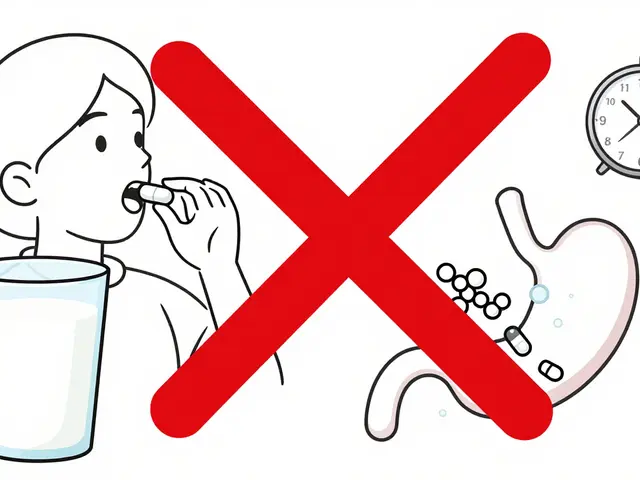
The FDA says: only split pills that are explicitly approved for splitting. That means checking the package insert. If it doesn’t say you can split it, don’t assume. A score line down the middle? That’s not a green light. It’s just a manufacturing mark. Many extended-release pills, like metformin ER or Adderall XR, have special coatings or time-release mechanisms. Splitting them can dump the full dose into your system at once. That’s dangerous. Same with enteric-coated pills like omeprazole-splitting destroys the coating that protects your stomach. And for drugs with a narrow therapeutic index-like warfarin, digoxin, or levothyroxine-even a 5% dose error can cause a stroke, heart rhythm problems, or thyroid crisis. One woman on Reddit split her Synthroid tablet and ended up in the ER with a TSH level that was off the charts.The Right Tool for the Job
Never use a knife, scissors, or your teeth. A cheap pill splitter-usually $3 to $10 at any pharmacy-is the only safe tool. These have a V-shaped holder and a retractable blade that cuts cleanly. A 2007 study in the Journal of the American Pharmacists Association found that using a pill splitter kept dose variation under 15%. Knife-splitting? That jumped to 72% variation. That’s not a small mistake-it’s a medical risk. And don’t split multiple pills at once. Split one right before you take it. Once you cut a pill, exposure to air, moisture, or heat can make the medicine unstable. Banner Health says split tablets lose potency within 24 to 48 hours. If you split a week’s supply, you’re not saving money-you’re risking your health.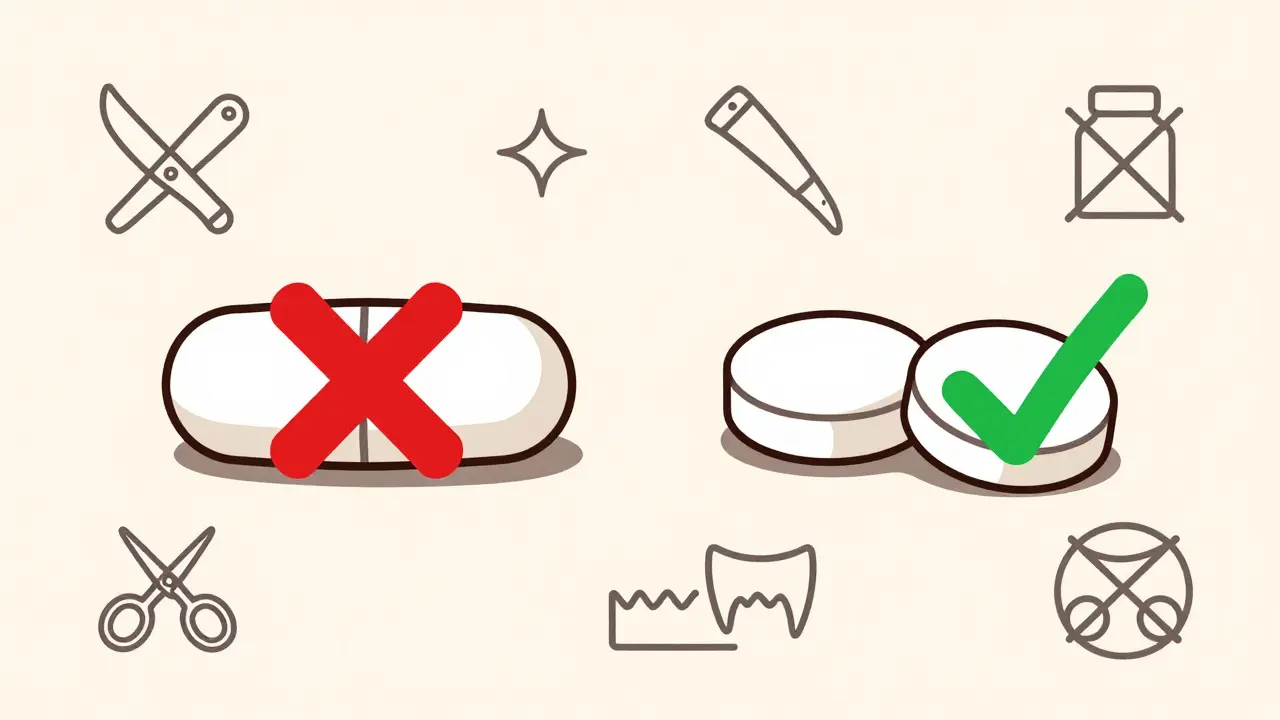
Who Should Never Split Pills?
Some medications are just too risky. Here’s the list you need to avoid splitting:- Extended-release or time-release tablets (ER, XR, SR, LA)
- Enteric-coated pills (look for "enteric" or "delayed-release" on the label)
- Capsules or gelcaps (you can’t split these)
- Drugs with a narrow therapeutic index: warfarin, digoxin, levothyroxine, tacrolimus, lithium
- Chewable or sublingual tablets
- Any pill that crumbles, cracks, or doesn’t split cleanly
How to Split a Pill Correctly
If your doctor and pharmacist say it’s safe, follow these steps:- Ask your pharmacist or doctor: "Is this pill approved for splitting?" Get it in writing if possible.
- Check the package insert. Look for the words "can be split" or "scored for splitting." If it’s not there, don’t do it.
- Buy a pill splitter from your pharmacy. Don’t use a cheap one from a dollar store-get one with a sharp blade and secure grip.
- Wash your hands and clean the splitter with a dry cloth after each use. Moisture builds up and can contaminate the medicine.
- Place the pill in the holder. Close it slowly and press the blade down in one smooth motion. Don’t wiggle it.
- Take the half immediately. Don’t store it. If it’s uneven or crumbly, throw it out. Don’t try to eat the smaller piece.
- Keep the other half in a dry, cool place only if you’re taking it within 24 hours. Use a small airtight container.
Real Cost Savings-And When It Doesn’t Work
The math works best when the higher-dose pill is significantly cheaper per milligram. For example:| Medication | Higher Dose (Cost) | Lower Dose (Cost) | Savings if Split |
|---|---|---|---|
| Atorvastatin 40mg | $4.27 | $3.48 (20mg) | 38% |
| Lisinopril 20mg | $4.00 | $4.50 (two 10mg) | 11% |
| Sertraline 100mg | $0.12 | $0.08 (50mg) | No savings |
| Simvastatin 40mg | $3.10 | $2.95 (20mg) | 15% |
What Experts Really Say
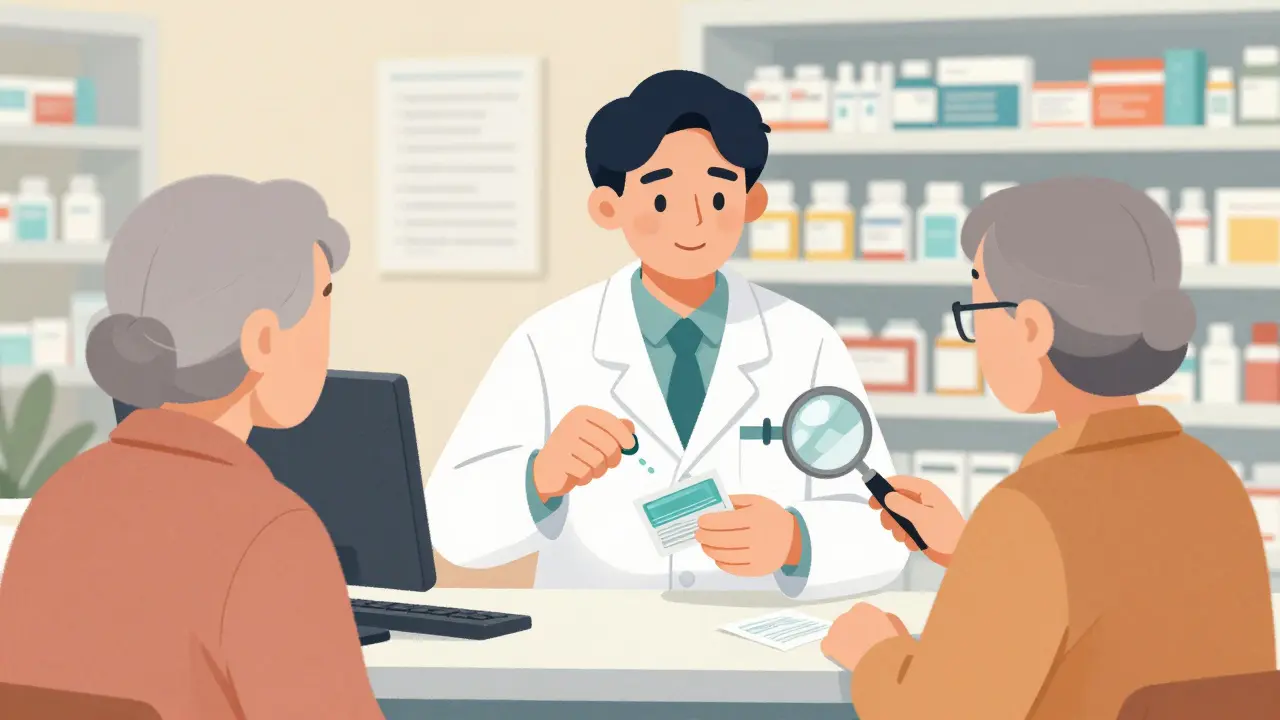
Dr. Michael Miller from the Cleveland Clinic says: "A score line might indicate a pill can be split, but it doesn’t mean that you should." The Institute for Safe Medication Practices found that in a study of 94 people splitting hydrochlorothiazide tablets, 41% of halves were off by more than 10%. That’s not a typo. One person got 22mg instead of 25mg. Another got 31mg. That’s a 24% error. And that’s with trained volunteers using proper tools. Imagine what happens when someone uses a knife or splits a pill they’re not supposed to. The American Society of Health-System Pharmacists says pill splitting should be a last resort. First, ask your doctor about patient assistance programs. Many drugmakers offer free or low-cost meds for low-income patients. Pharmacy discount cards like GoodRx can cut prices by 30-50%. And some insurers will switch you to a cheaper generic or alternative drug. Don’t jump to splitting unless all other options are gone.What to Do If You’ve Already Split a Pill Wrong
If you’ve split a pill you shouldn’t have-like a time-release blood pressure med or a thyroid pill-stop immediately. Don’t take another dose. Call your pharmacist or doctor. If you feel dizzy, nauseous, your heart races, or you’re unusually tired, go to urgent care. Dose errors can build up over days. You might not feel it right away. Keep the pill container and the splitter. Show them to your provider. They’ll know what to look for in your bloodwork.What’s Changing in 2026?
More drugmakers are now offering multiple strengths in one package. In 2023, 32% of new drugs came in several doses-up from 19% in 2015. That’s good news. But until prices change, people will keep splitting pills. The FDA is pushing manufacturers to clearly label which pills can be split. And pharmacies in New Zealand and the U.S. are starting "Split Safely" programs-where pharmacists show patients how to do it right. But until then, the responsibility is on you. Know your pills. Know your risks. And never guess.Can I split any pill with a score line?
No. A score line is just a manufacturing mark. It doesn’t mean the pill is safe to split. Always check the package insert or ask your pharmacist. Some scored pills, like extended-release medications, can become dangerous if split.
Is it safe to split pills in advance?
No. Once split, pills are exposed to air and moisture, which can break down the active ingredient. The FDA and health systems like Banner Health recommend splitting only right before taking the dose. Split tablets should not be stored for more than 24-48 hours.
What’s the best tool to split pills?
Use a dedicated pill splitter with a V-shaped holder and a sharp, retractable blade. These cost $3-$10 at pharmacies. Never use a knife, scissors, or your teeth-they cause uneven splits and increase the risk of incorrect dosing.
Which medications should never be split?
Never split extended-release, enteric-coated, or time-release pills. Also avoid splitting drugs with narrow therapeutic indices like warfarin, digoxin, levothyroxine, tacrolimus, and lithium. Even small dose changes can cause serious side effects or hospitalization.
Are there safer alternatives to pill splitting?
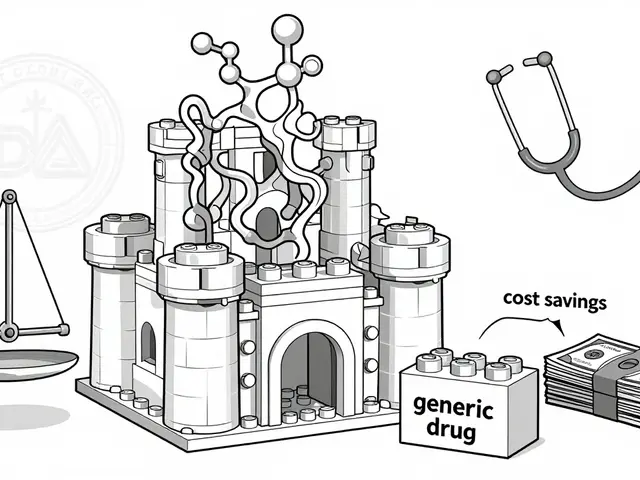
Yes. Ask your doctor about patient assistance programs, pharmacy discount cards (like GoodRx), or switching to a lower-cost generic. Many drug manufacturers offer free or low-cost medications for people with low income. These options are safer and just as effective at reducing costs.
10 Comments
Man, I've been splitting my lisinopril for years-$4 for a 20mg vs $8 for two 10mgs? No brainer. My pharmacist even gave me a free splitter. Just don't touch anything with 'ER' or 'XR' on it. Been fine since 2020. Save money, stay smart.
While I appreciate the practical advice, I must emphasize that the FDA's guidance on pill splitting is clear: only split if explicitly labeled. Even minor dose variations in medications like levothyroxine can trigger cardiac arrhythmias or thyroid storm. This isn't a budget hack-it's a clinical risk.
Bro, I once split a warfarin pill with a knife because I was out of cash and desperate. Felt like a zombie for three days. Ended up in the ER with a TSH level that looked like a stock market crash. Don't be me. Get a $5 splitter. Or better yet, ask your doc about GoodRx. It's wild how much cheaper generics get with that app.
My grandma does this with her metoprolol. She uses the same splitter since 2017. Never had an issue. Just keeps it in a little ziplock in the fridge. Says it's like making coffee-do it fresh, don't stockpile. Smart lady.
YOU ARE KILLING YOURSELF!!! DO NOT SPLIT ANYTHING WITHOUT A SCORE LINE!!! I SAW A GUY ON YOUTUBE SPLITTING ADDERALL XR WITH SCISSORS-HE HAD A SEIZURE!!! YOU THINK YOU’RE SAVING MONEY BUT YOU’RE JUST BUYING A ONE-WAY TICKET TO THE ICU!!!
I used to split my sertraline until I realized the 100mg was cheaper than two 50mgs. Zero savings. Learned the hard way. Now I use GoodRx and save 60%. 🤫💊
From a clinical pharmacology standpoint, the coefficient of variation in dose delivery when splitting non-scored tablets exceeds the therapeutic window for narrow-index drugs. The FDA's 2022 adverse event report cites 37 incidents linked to improper splitting-mostly involving tacrolimus and digoxin. This isn't anecdotal; it's a documented public health issue.
It is highly irresponsible to promote pill splitting as a cost-saving measure without first establishing the patient's cognitive capacity to follow instructions, the stability of the formulation, and the precision of the splitting device. The fact that 41% of volunteers in the hydrochlorothiazide study had >10% deviation indicates systemic failure in patient education. This post is dangerously oversimplified.
Oh wow, someone actually wrote a 2000-word essay on splitting pills like it’s a TED Talk. Next you’ll tell me not to microwave soup in Styrofoam. Newsflash: people have been splitting pills since the 1970s. If you’re too lazy to call your doctor or afford insurance, maybe don’t take meds at all. But hey, I’m sure your $10 splitter is better than your life choices.
My cousin split her Synthroid with a knife and didn’t tell anyone for two weeks. She got dizzy, lost her voice, and thought she was having a stroke. Turned out her TSH was 42. She’s fine now, but… yikes. I just got a GoodRx card. Saved $70 on my blood pressure med. No knives. No risks. Just chill.