
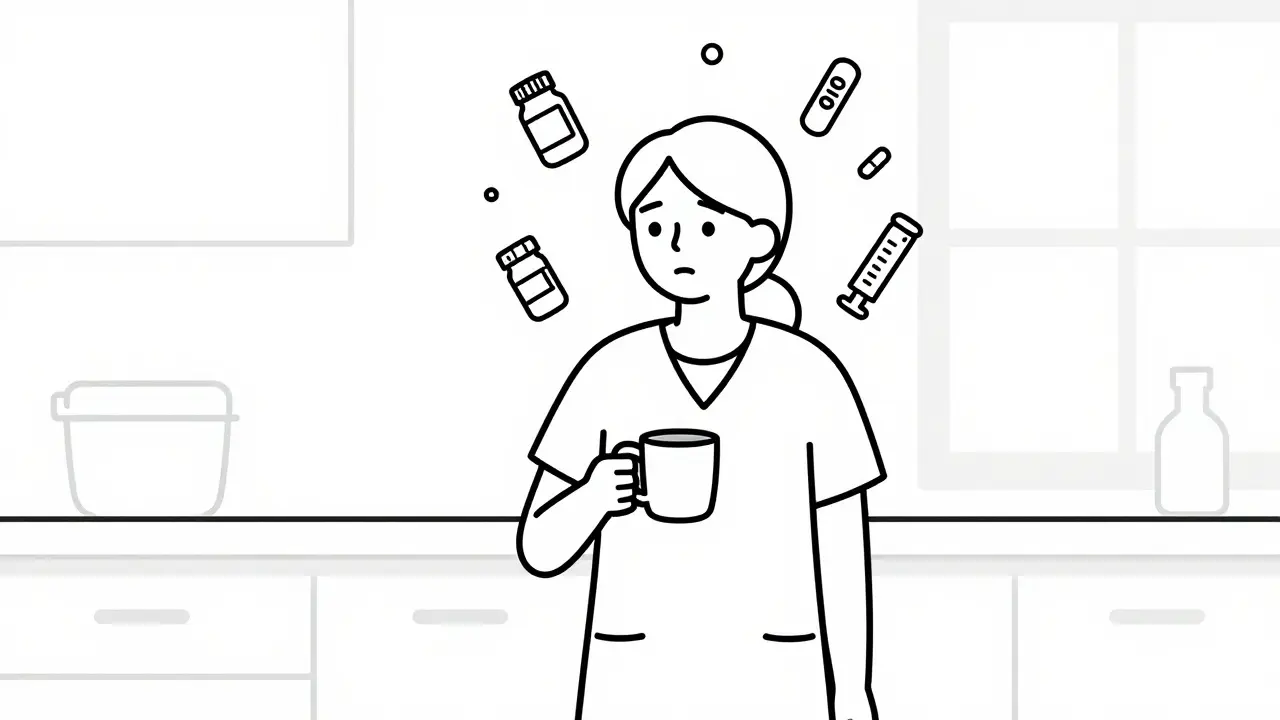
Imagine standing in a kitchen at 8 AM. The coffee is brewing, but your mind is racing through a mental checklist of pills, patches, and injections that need to happen before noon. You’re not alone. Millions of family caregivers juggle complex medication schedules for aging parents or loved ones every single day. It’s exhausting, it’s high-stakes, and one small mistake can lead to a hospital visit.
The good news? You don’t have to rely on memory or sticky notes scattered across the fridge. Creating a structured, accurate medication list is the single most effective tool you have to prevent errors, reduce stress, and keep your loved one safe. This isn’t just about writing down names; it’s about building a safety net.
Why a Simple List Saves Lives
It might sound bureaucratic, but an organized medication record is a clinical necessity. According to the FDA, over 40% of older adults deal with polypharmacy-taking five or more medications simultaneously. When you stack that many drugs together, the risk of adverse drug events jumps by 88%. That statistic is scary, but it highlights why precision matters.
Medication errors aren’t just theoretical. They account for thousands of deaths annually. Most of these errors happen because information was incomplete. Did the doctor know about the aspirin taken daily? Did the pharmacist know the patient takes blood thinners? If it’s not on the list, it doesn’t exist in the medical world. A comprehensive list bridges the gap between specialists, pharmacies, and home care.
The Anatomy of a Perfect Medication Entry
A lot of caregivers make the mistake of listing just the drug name. "Lisinopril" isn’t enough. To make the list useful for any healthcare provider stepping into the picture, each entry needs specific attributes. Think of this as the dossier for each pill.
- Name: Include both the brand name (e.g., Zestril) and the generic name (Lisinopril). Doctors think in generics; patients remember brands.
- Dosage: Be exact. "10mg" is different from "5mg."
- Frequency: How often? "Twice daily" or "Every 12 hours"?
- Purpose: Why are they taking it? "For hypertension" helps doctors decide if a new symptom is related.
- Special Instructions: This is critical. Does it need food? Can it be crushed? Is it a once-a-week dose?
- Prescriber: Who wrote the script? This saves time when calling to clarify doses.
- NDC Number: The National Drug Code reduces dispensing errors by nearly 30%. It’s found on the bottle label.
Don’t forget allergies. Listing known drug allergies prevents up to 1.3 million adverse reactions annually. It should be at the very top of your document, in bold red ink if you’re using paper.
Paper vs. Digital: Which System Works for You?
There’s no one-size-fits-all answer here, and trying to force a digital app on someone who prefers pen and paper will only create friction. Let’s look at the trade-offs.
| Feature | Paper List / Binder | Digital Apps (e.g., Medisafe) |
|---|---|---|
| Ease of Use | High (no login required) | Medium (requires tech comfort) |
| Error Reduction | Low for >7 meds | High (42% reduction reported) |
| Sharing | Must physically hand over | Instant sharing via link/email |
| Reminders | None (manual check) | Automated alerts |
| Best For | Emergencies & Low Tech Users | Complex Regimens & Busy Caregivers |
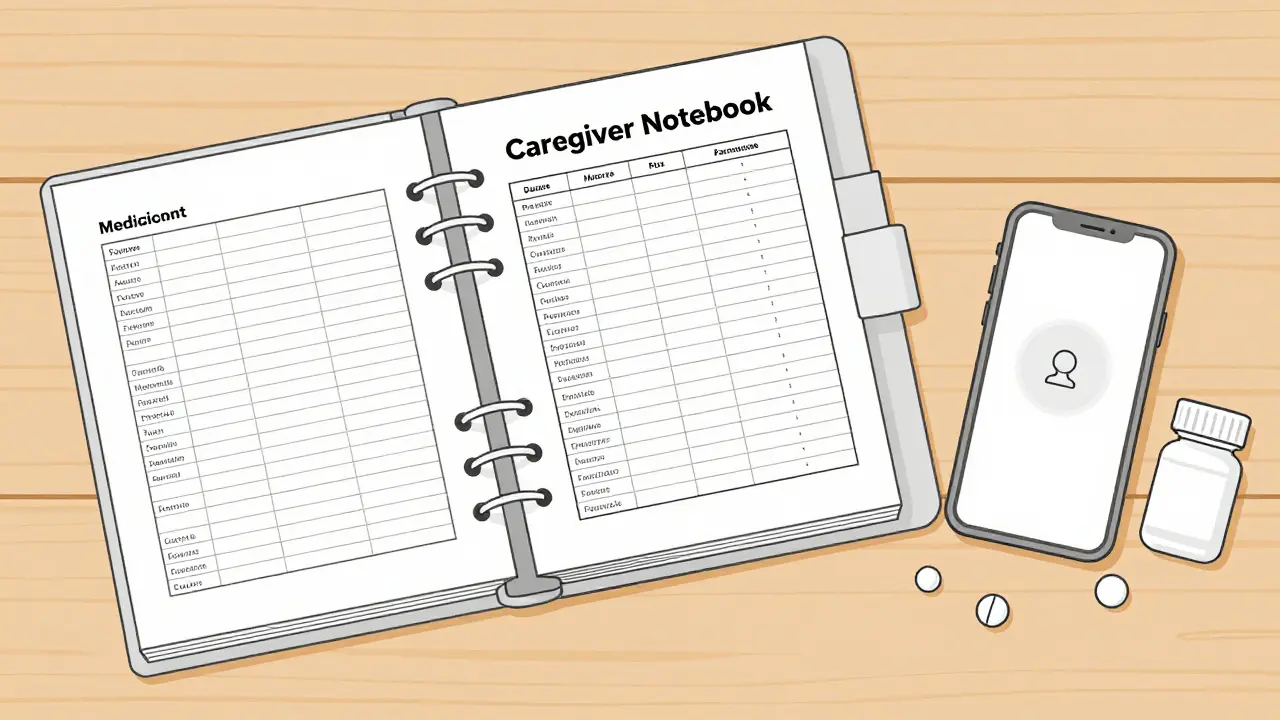
Here’s the pro tip: use both. Keep a master paper list in a three-ring binder (often called a "Caregiver’s Notebook") for emergency room visits or doctor appointments where screens might fail or be inaccessible. Use a digital app for daily tracking and reminders. Studies show that for regimens with more than four medications, digital tools cut error rates significantly. But for seniors over 65, 62% struggle with app interfaces. So, hybrid is best.
Step-by-Step: Building Your Master List
If you haven’t started yet, here is how to build your system from scratch. Expect this initial setup to take 2-3 hours. Do it when you’re fresh, not tired.
- The Inventory Sweep: Gather every single medication from every location. Check the bathroom cabinet, the nightstand, the kitchen drawer, and even the glove compartment of the car. Don’t skip vitamins or herbal supplements-they interact with prescriptions too.
- Document Everything: Use the 12-point checklist mentioned earlier. Take photos of each bottle label. This helps if you lose the physical bottle later.
- Chronological Order: Arrange the list by time of day. Morning meds first, then afternoon, then evening. Group them logically so you can administer them in batches.
- Create Copies: Make one physical copy for the binder and one digital backup. Store the digital version in a cloud folder accessible to other family members.
- Set the Update Protocol: Decide now: when does the list get updated? The gold standard is within 24 hours of any change. Set a weekly review time-Sunday evenings work well for many families-to check expiration dates and refill status.
- Share Widely: Give a copy to the primary care physician, the cardiologist, the pharmacist, and any visiting nurses.
Handling the "Brown Bag" Method
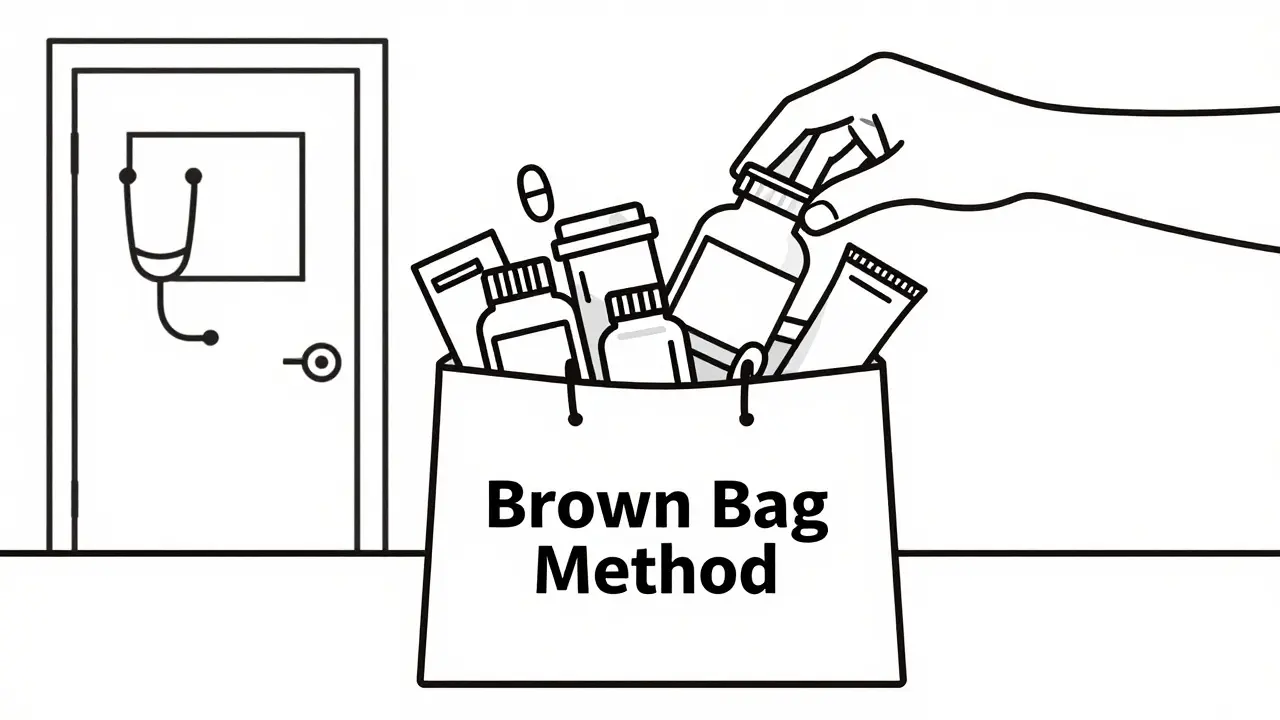
One of the most underrated tools in caregiving is the "brown bag method." Before any doctor’s appointment, put every single pill bottle, supplement container, and cream tube into a large bag. Bring the whole bag to the appointment.
Why? Because patients often forget what they’re taking. Doctors prescribe based on what they *think* the patient is taking. By showing the actual bottles, you eliminate guesswork. AARP surveys show that 89% of caregivers find this method extremely helpful for catching duplicate therapies or dangerous interactions. It forces a face-to-face reconciliation of the medication list.
Maintaining Accuracy Over Time
The hardest part isn’t starting; it’s keeping it current. Life happens. New specialists are added. Seasons change, and allergies flare up. Here’s how to stay sharp:
- Quarterly Pharmacist Reviews: If your loved one takes five or more meds, schedule a "medication therapy management" session with a pharmacist every three months. They can spot inappropriate medications for older adults (using criteria like the Beers Criteria) that doctors might miss in a rushed 15-minute visit.
- Hospital Discharge Vigilance: Hospital stays are chaos points. 58% of caregivers report confusion when discharge instructions don’t match home lists. Always bring your master list to the hospital and ask the discharge nurse to update it right there in front of you.
- PRN Logs: "As needed" medications (like pain relievers or sleep aids) are tricky. Create a separate log for these. Record the date, time, and reason for each dose. This prevents accidental overdosing if two caregivers are involved.
Remember, a medication list is a living document. If it sits in a drawer untouched for six months, it’s useless. Treat it like a financial ledger-accurate, up-to-date, and reviewed regularly. With a solid system in place, you transform from a stressed guesser into a confident advocate for your loved one’s health.
How often should I update my medication list?
You should update your medication list immediately after any change, ideally within 24 hours. This includes new prescriptions, discontinued drugs, or dosage adjustments. Additionally, perform a full review of the entire list once a week to check for expired medications and ensure the format remains clear.
Should I include over-the-counter supplements in the list?
Yes, absolutely. Vitamins, herbal remedies, and over-the-counter pain relievers can interact dangerously with prescription medications. Treating them with the same level of documentation as prescriptions ensures doctors have the complete picture of what is entering the body.
What is the "Brown Bag Method"?
The Brown Bag Method involves placing all physical medication containers (prescriptions, OTCs, supplements) into a bag and bringing them to every doctor's appointment. This allows the physician to verify exactly what the patient is taking, reducing errors caused by miscommunication or forgotten details.
Is a digital app better than a paper list?
Digital apps are superior for daily reminders and tracking complex regimens (more than 4 medications), reducing error rates by up to 42%. However, paper lists are essential for emergencies and for caregivers less comfortable with technology. The best approach is a hybrid system: use an app for daily management and keep a printed master copy for backups and doctor visits.
Who should have a copy of the medication list?
Every healthcare provider involved in the patient's care should have a current copy. This includes the primary care physician, specialists (like cardiologists or neurologists), the local pharmacy, and any visiting nurses or home health aides. Family members who assist with care should also have access to the digital or physical copy.