
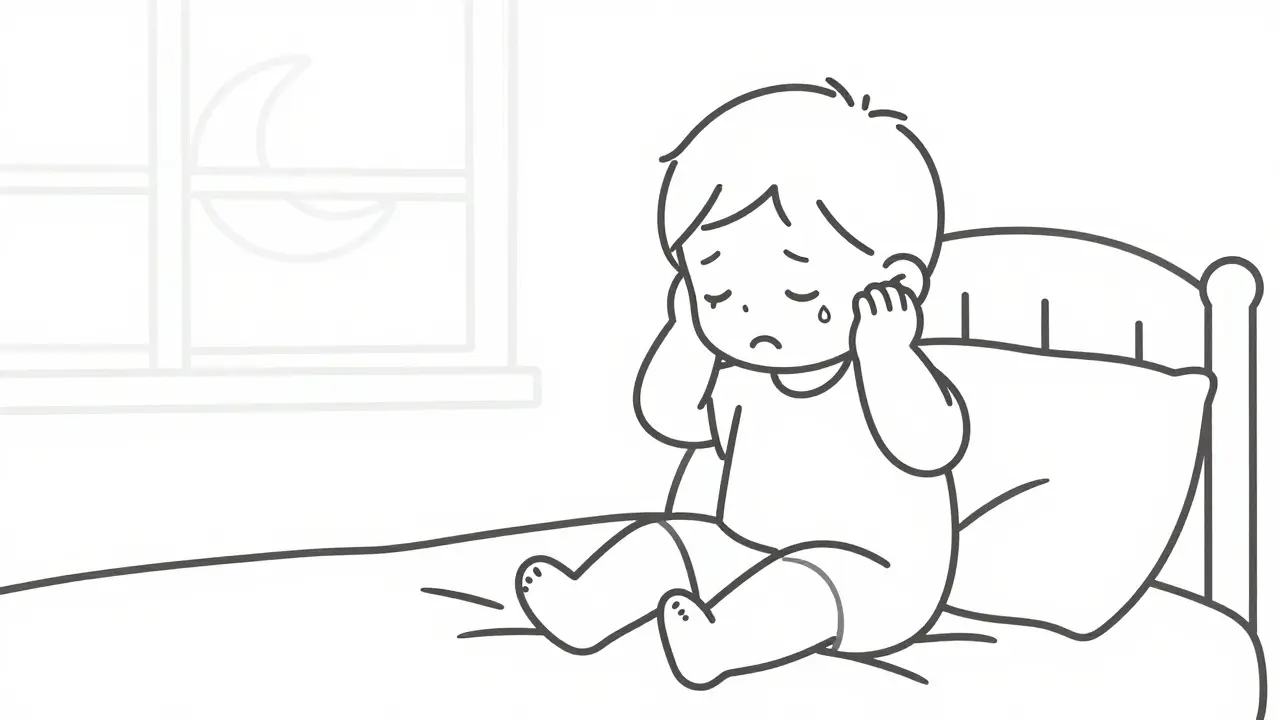
That deep, throbbing pain behind the eardrum is one of the most common reasons parents rush to the doctor. It’s not just discomfort; it’s a sign that fluid has trapped bacteria or viruses in the middle ear. This condition, known medically as Otitis Media, affects millions of people annually, with children being the primary victims due to their developing anatomy.
If you are dealing with a child who won’t stop crying at night or an adult experiencing sudden hearing loss and pressure, understanding what is happening inside the ear can change how you handle the situation. The good news? Most cases resolve on their own. The bad news? Knowing when to wait and when to demand antibiotics is tricky. Let’s break down the science, the treatments, and the real-world decisions involved in managing this painful condition.
What Is Otitis Media and Why Does It Happen?
Otitis Media is inflammation or infection of the air-filled space behind the eardrum (tympanic membrane). To understand why it happens, you need to look at the Eustachian Tube. This small canal connects your middle ear to the back of your throat. Its job is simple: equalize pressure and drain fluid.
In adults, the Eustachian tube is steeply angled, allowing gravity to help drain fluid easily. In young children, however, the tube is shorter, wider, and nearly horizontal. Think of it like a flat straw versus a downward-sloping pipe. When a child catches a cold, allergies flare up, or they have an upper respiratory infection, the lining of the tube swells. Fluid gets trapped behind the eardrum. This stagnant fluid becomes a breeding ground for pathogens.
The two main types of otitis media are:
- Acute Otitis Media (AOM): A sudden, painful infection with swelling and pus buildup. This is what we typically call an “ear infection.”
- Otitis Media with Effusion (OME): Fluid remains in the middle ear after the acute infection clears. It doesn’t always hurt, but it causes muffled hearing and can last for months.
The most common bacterial culprits are Streptococcus pneumoniae, Haemophilus influenzae (non-typeable), and Moraxella catarrhalis. Viruses like rhinovirus, influenza, and RSV also play a major role, often setting the stage for secondary bacterial infections.
Risk Factors: Who Gets It Most Often?
You might wonder why some kids get ear infections constantly while others never do. Several factors increase the likelihood of developing otitis media:
- Age: Over 80% of children experience at least one episode by age 3. Peak incidence occurs between 6 months and 3 years.
- Daycare Attendance: Kids in group settings are exposed to more viruses. Studies show they have a 2-3 times higher incidence rate than those cared for at home.
- Secondhand Smoke: Exposure to cigarette smoke increases risk by 50%. The chemicals irritate the Eustachian tubes, impairing drainage.
- Feeding Position: Bottle-feeding while lying flat allows milk to flow into the Eustachian tubes. Breastfeeding or holding babies upright during bottle feeds reduces this risk.
- Genetics and Anatomy: Some children simply have narrower Eustachian tubes or immune system variations that make them more susceptible.
Symptoms: How to Spot an Ear Infection
Diagnosing otitis media isn’t always straightforward, especially in infants who can’t verbalize pain. Look for these key signs:
- Pain (Otalgia): Often worse at night when lying down. Children may tug or pull at their ears, though this alone isn’t definitive.
- Fever: Temperatures above 100.4°F (38°C) are common in acute cases.
- Hearing Loss: Conductive hearing loss of 15-40 decibels can occur due to fluid pressure. You might notice your child turning up the TV volume or not responding to soft sounds.
- Fluid Drainage: Pus or blood draining from the ear suggests a ruptured eardrum. While scary, this often relieves pain immediately.
- Balance Issues: Dizziness or clumsiness can result from inner ear involvement.
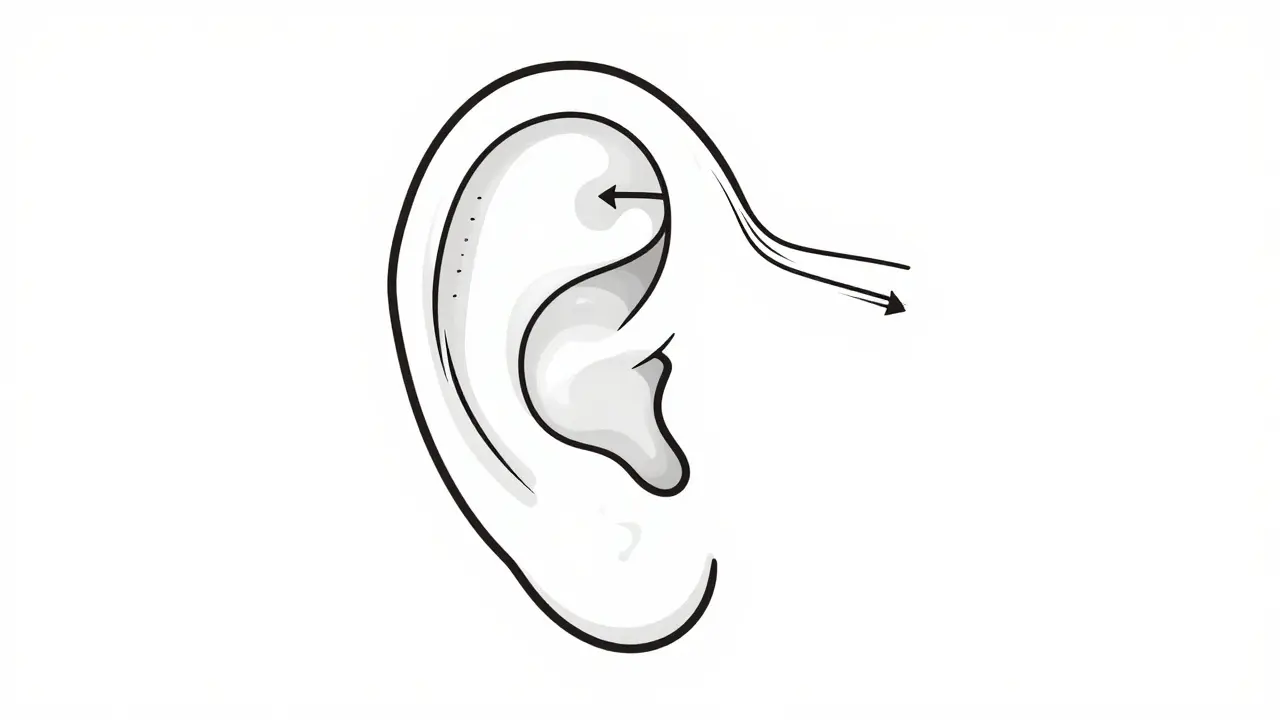
A doctor confirms the diagnosis using pneumatic otoscopy. They puff air into the ear canal to check eardrum mobility. A red, bulging, immobile eardrum is the classic sign of acute infection. If the eardrum moves normally but looks retracted with fluid lines, it’s likely OME.
Antibiotic Treatment: To Prescribe or Not?
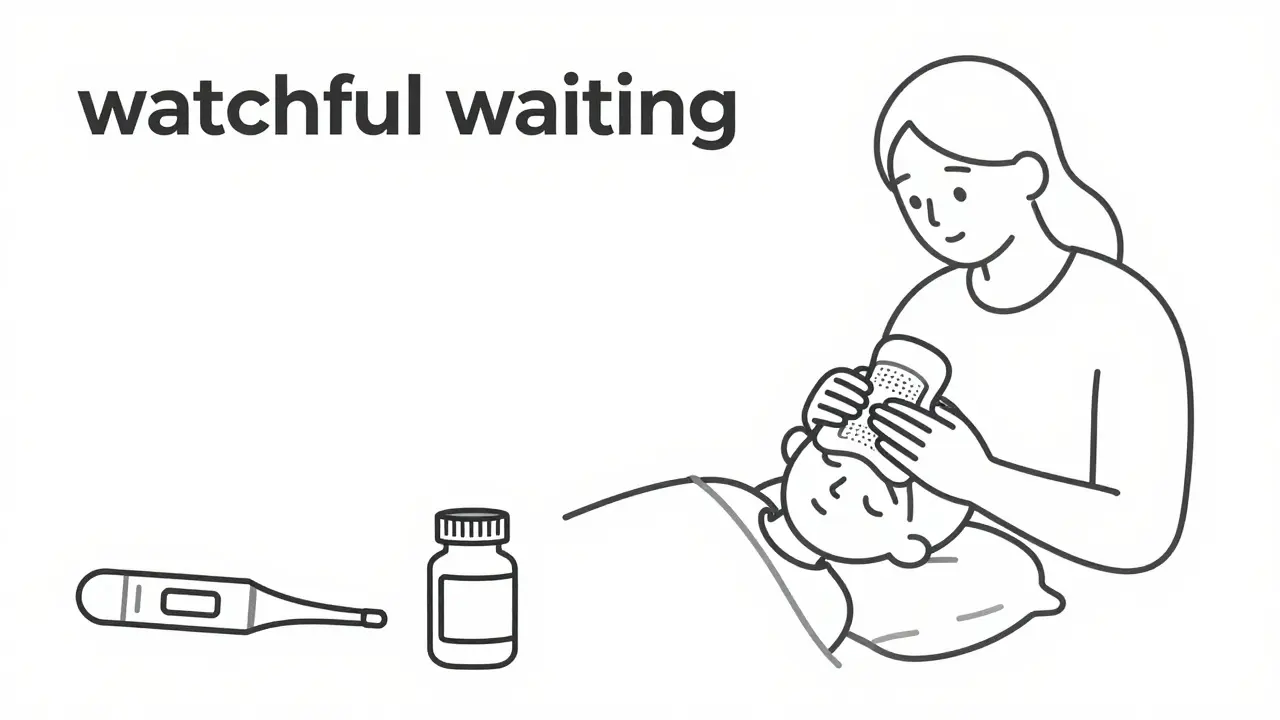
This is where medical guidelines and parental anxiety often clash. For decades, antibiotics were prescribed automatically. Today, the approach is much more nuanced. The American Academy of Pediatrics (AAP) and American Academy of Family Physicians (AAFP) recommend watchful waiting for many cases.
Why? Because 80% of uncomplicated AOM cases resolve spontaneously within 3 days without antibiotics. Furthermore, overuse drives antibiotic resistance. CDC data shows that 30-50% of Streptococcus pneumoniae isolates in the U.S. show some penicillin resistance.
| Scenario | Recommended Action | Rationale |
|---|---|---|
| Children under 6 months with definite AOM | Immediate Antibiotics | High risk of complications; immune systems are immature. |
| Children 6-23 months with severe symptoms (fever ≥102.2°F or pain ≥48 hours) | Immediate Antibiotics | Severe pain and high fever indicate significant bacterial load. |
| Children 6-23 months with mild symptoms | Watchful Waiting OR Antibiotics | Parents can choose based on comfort level and ability to monitor. |
| Children 2+ years with mild-to-moderate symptoms | Watchful Waiting Preferred | Most cases resolve naturally; avoids side effects and resistance. |
| Any age with bilateral AOM and severe symptoms | Immediate Antibiotics | Bilateral involvement suggests systemic infection risk. |
First-Line Treatments and Alternatives
If antibiotics are necessary, Amoxicillin remains the gold standard. It’s effective, safe, and cheap. The recommended dose is high: 80-90 mg/kg/day divided into two doses. This high dose helps overcome resistant strains of bacteria.
Treatment duration depends on age and severity:
- Under 2 years: 10 days
- 2-5 years with severe symptoms: 7 days
- 6+ years with mild-to-moderate symptoms: 5-7 days
What if your child is allergic to penicillin? Doctors may prescribe:
- Cefdinir: A cephalosporin antibiotic.
- Azithromycin: A macrolide, often used for a 5-day course.
- Ceftriaxone: An injectable antibiotic given as a single IM dose for severe cases or if oral meds fail.
If first-line amoxicillin fails after 48-72 hours, doctors often switch to Amoxicillin-Clavulanate (Augmentin). The clavulanate component inhibits beta-lactamase enzymes produced by resistant bacteria like Haemophilus influenzae.
Pain Management: The Immediate Priority
Whether you choose antibiotics or watchful waiting, pain control is non-negotiable. Untreated pain leads to sleep deprivation and distress for both child and parent.
- Acetaminophen (Tylenol): 10-15 mg/kg/dose every 4-6 hours.
- Ibuprofen (Motrin/Advil): 5-10 mg/kg/dose every 6-8 hours. Ibuprofen is often preferred for its anti-inflammatory properties.
- Warm Compresses: A warm washcloth held against the ear can soothe pain.
- Otic Analgesic Drops: Products like Auralgan (benzocaine/lidocaine) provide localized relief. Warning: Never use drops if you suspect a ruptured eardrum (drainage present), as they can damage inner ear structures.
Many parents report that consistent ibuprofen every 6 hours makes the difference between constant crying and manageable discomfort. Don’t wait for the pain to peak before medicating.
Prevention and Long-Term Strategies
Can you prevent otitis media? Not entirely, but you can significantly reduce risk:
- Vaccinations: The PCV13 pneumococcal conjugate vaccine has reduced vaccine-type pneumococcal AOM by 34%. The newer 15-valent vaccine (Vaxneuvance) offers even broader protection. Ensure your child stays up-to-date on flu shots too, since influenza predisposes children to ear infections.
- Breastfeeding: Provides antibodies that protect against respiratory pathogens. Aim for exclusive breastfeeding for the first 6 months if possible.
- Avoid Secondhand Smoke: Create a smoke-free home and car environment.
- Nipple Hygiene: Clean bottles and pacifiers regularly to reduce bacterial load.
For children with recurrent infections (3+ episodes in 6 months), doctors may discuss tympanostomy tubes. These tiny ventilation tubes are surgically placed in the eardrum to bypass the Eustachian tube, allowing fluid to drain and equalizing pressure. This is usually reserved for chronic cases affecting speech development or causing repeated hospital visits.
When to Worry: Red Flags
While most ear infections are benign, complications can arise. Seek immediate medical attention if you notice:
- Fever exceeding 104°F (40°C)
- Severe pain unresponsive to medication
- Dizziness, vertigo, or facial weakness
- Stiff neck or severe headache
- Swelling or redness behind the ear (mastoiditis)
- Persistent fluid drainage lasting more than a few days
Mastoiditis, an infection of the mastoid bone behind the ear, is a rare but serious complication that requires IV antibiotics and sometimes surgery. Early detection is critical.
How long does a middle ear infection last without antibiotics?
Approximately 80% of uncomplicated acute otitis media cases resolve spontaneously within 3 days without antibiotics. However, pain and fever should improve within 48-72 hours. If symptoms worsen or persist beyond 3 days, medical evaluation is necessary.
Is it safe to use watchful waiting for my toddler?
Yes, for children aged 6 months to 2 years with mild symptoms and no severe pain or high fever, watchful waiting is safe and recommended by AAP guidelines. It involves close monitoring and aggressive pain management. Parents should have a backup prescription ready if symptoms worsen.
Can ear infections cause permanent hearing loss?
Temporary conductive hearing loss is common during active infection due to fluid buildup. Permanent sensorineural hearing loss is extremely rare unless complications like chronic perforation or mastoiditis occur. Persistent fluid (OME) lasting 3+ months should be evaluated by an ENT specialist to rule out developmental impacts.
Why does my child keep getting ear infections?
Recurrent otitis media is often linked to immature Eustachian tube anatomy, daycare exposure, secondhand smoke, or allergies. If your child has 3+ infections in 6 months, consult your pediatrician about preventive strategies like vaccinations, allergy management, or tympanostomy tubes.
Do probiotics help prevent ear infections?
Current evidence is mixed. A 2022 Cochrane review found no significant reduction in acute otitis media incidence with probiotic use. While generally safe, they should not replace proven prevention methods like vaccination and avoiding secondhand smoke.