
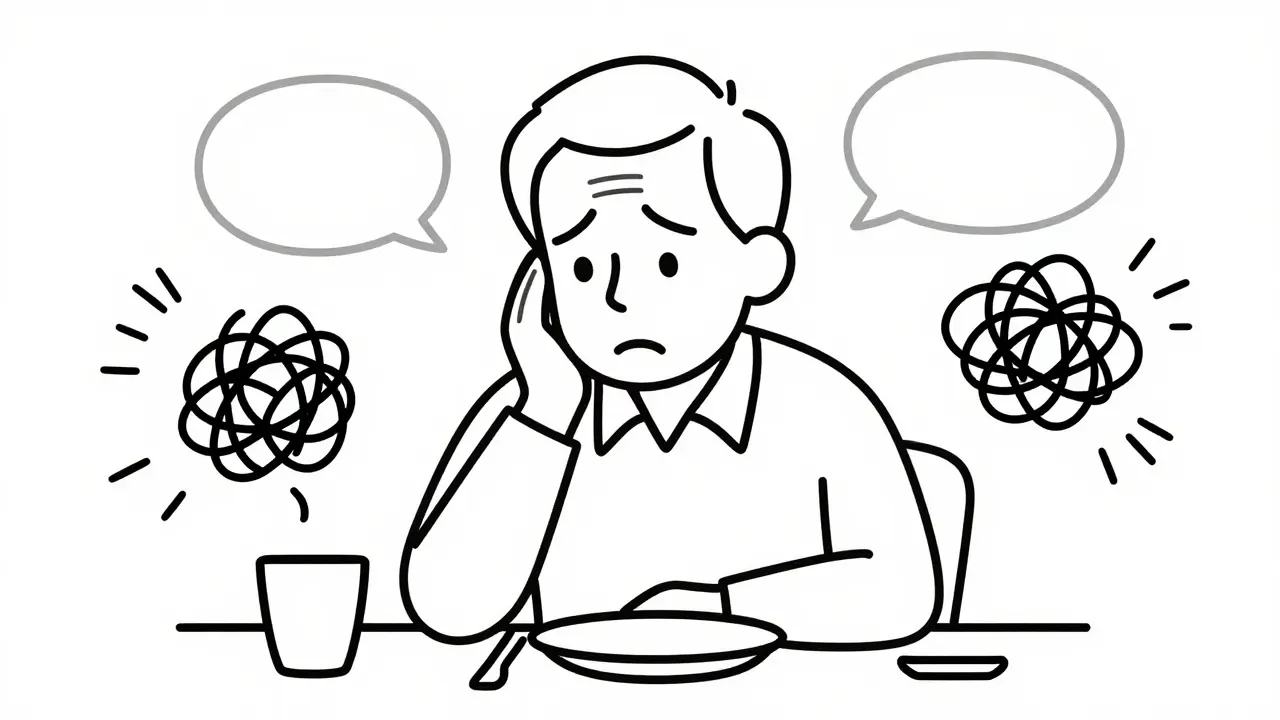
Imagine sitting in a busy restaurant with friends. The clatter of dishes fades into the background for everyone else, but for you, it’s just noise. You hear voices, sure, but distinguishing "s" from "sh" feels like solving a puzzle without all the pieces. This isn’t just getting older; it’s presbycusis, or age-related hearing loss. It is a progressive sensorineural condition that affects millions, yet many people ignore the early signs until communication becomes a daily struggle.
If you find yourself turning up the TV volume to levels that annoy your partner, or if you frequently ask people to repeat themselves, you might be experiencing this common condition. The good news? While there is no cure for the biological aging of the ear, modern amplification strategies can dramatically improve your quality of life, social connection, and even cognitive health.
What Exactly Is Presbycusis?
Presbycusis is not just "hard of hearing." It is a specific medical condition characterized by the gradual deterioration of the inner ear's ability to process sound. Derived from the Greek words *presbys* (old) and *akousis* (hearing), this term describes a sensorineural hearing impairment that develops slowly over time.
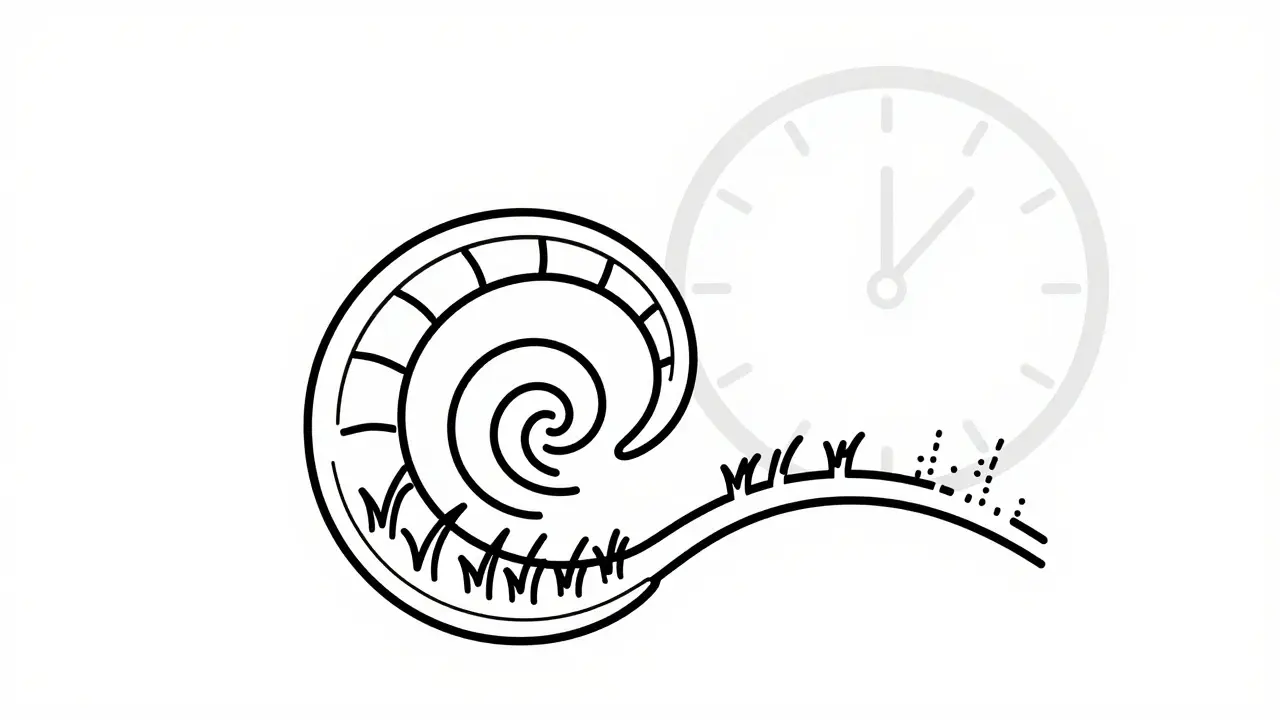
The core issue lies in the cochlea, the spiral-shaped cavity in the inner ear. Inside, you have tiny sensory receptors called hair cells. When you are born, you have about 16,000 of these cells. Here is the hard truth: they do not regenerate. After age 30, you lose approximately 1% of these hair cells every year. As they die off, your brain receives less detailed audio information, particularly in the high-frequency range.
| Metric | Data Point | Source/Context |
|---|---|---|
| Affected Adults (US) | 37.5 million (15%) | NIDCD 2023 Report |
| Age 65-74 Prevalence | 33.3% | One in three people |
| Age 75+ Prevalence | 44.1% | Nearly half of seniors |
| Hair Cell Loss Rate | ~1% per year after age 30 | Physiological baseline |
Recognizing the Early Warning Signs
You might think you’re just being forgetful, but presbycusis has distinct symptoms. Because the high-frequency hair cells are often the first to go, you will likely struggle with higher-pitched sounds before lower ones. This includes electronic tones, alarm clocks, doorbells, and crucially, children’s voices.
Speech discrimination is another major hurdle. Consonants like "s," "f," "th," and "k" are high-frequency sounds. If you miss these, words start to blend together. A study by ColumbiaDoctors notes that speech comprehension can drop by 25% in noisy environments compared to quiet ones. You might hear that someone is talking, but understanding the actual words becomes exhausting work.
- Difficulty in Noise: Conversations in restaurants or family gatherings become overwhelming because your brain can't filter out background chatter.
- Tinnitus: Ringing or buzzing in the ears accompanies hearing loss in nearly 60% of cases, according to NIDCD data.
- Volume Cranking: Needing the TV above 65 decibels (normal conversation level) to understand dialogue is a classic red flag.
- Safety Risks: Failing to hear fire alarms, car horns, or smoke detectors puts you and others at risk. A Johns Hopkins study found 37% of untreated older adults missed critical warning sounds.
Why Does This Happen? The Causes Behind the Loss
It’s rarely just one thing. Presbycusis is multifactorial, meaning several elements combine to damage the auditory system.
Biological Aging: As mentioned, the natural death of hair cells accounts for about 65% of cases. Think of it like gray hair or wrinkles, but inside your ear.
Genetics: Your DNA plays a huge role. Research shows genetic factors contribute to 35-50% of age-related hearing loss. Specific genes like GRHL2 and GJB2 have been linked to this condition. If your parents had hearing issues later in life, you are statistically more likely to experience them too.
Environmental Damage: Noise exposure accelerates the process. Cumulative exposure to sounds exceeding 85 decibels (like heavy traffic, lawn mowers, or loud machinery) for more than 8 hours daily increases your risk by 40%. This is why construction workers or musicians often develop hearing loss earlier than average.
Health Conditions: Systemic health matters. Diabetes increases the risk by 28%, hypertension by 23%, and smoking by 15.1%. These conditions affect blood flow to the delicate structures of the inner ear, starving the hair cells of oxygen and nutrients.
The Hidden Cost: Mental Health and Social Isolation
We often treat hearing loss as an inconvenience, but the consequences are severe. Untreated presbycusis is a gateway to social isolation. The National Institute on Deafness and Other Communication Disorders (NIDCD) reports that individuals with untreated hearing loss are 5.3 times more likely to experience social isolation than those with normal hearing.
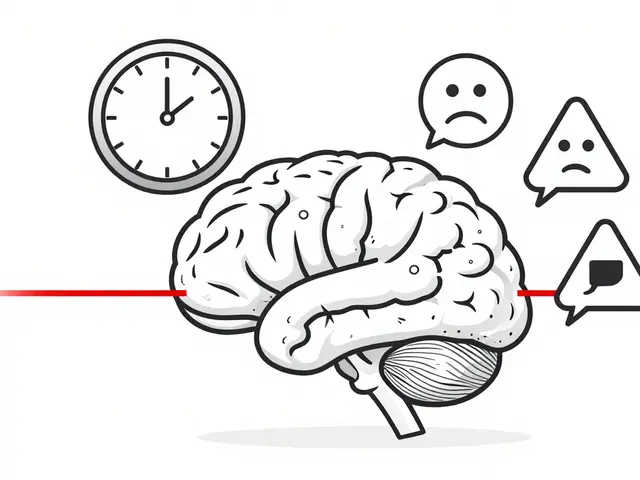
When listening becomes a chore, people withdraw. They stop going to dinners, skip church services, and avoid phone calls. This withdrawal leads to depression, with rates increasing by 32% among affected individuals. More alarming is the link to cognitive decline. A 2020 Lancet Commission report highlighted that untreated hearing loss correlates with a 50% increased risk of dementia. Dr. Frank R. Lin from Johns Hopkins University notes that treating hearing loss at age 60 rather than waiting until 70 could reduce dementia risk by 8-10% over a decade. The brain needs stimulation; when it stops receiving clear audio input, neural pathways begin to atrophy.
Amplification Strategies: Choosing the Right Solution
Since we cannot regrow hair cells, amplification is the primary treatment. The goal isn't to restore "perfect" hearing, but to improve communication and safety. There are two main paths: prescription hearing aids and Over-The-Counter (OTC) devices.
Prescription Hearing Aids
These are custom-fitted by audiologists and offer the most advanced technology. Modern digital hearing aids use sophisticated signal processing with 16 to 64 frequency channels. They don't just make everything louder; they selectively enhance speech frequencies while reducing background noise. Features include directional microphones that improve signal-to-noise ratio by 3-6 dB and Bluetooth connectivity for streaming audio directly from smartphones.
Top-tier models like Phonak Paradise, Oticon More, and Signia Styletto range from $1,800 to $3,500 per ear. While expensive, they offer professional fine-tuning and support. Consumer Reports rates Widex Moment and Oticon More highly for their natural sound quality.
Over-The-Counter (OTC) Hearing Aids
Federal regulations changed in 2022, allowing adults with mild to moderate hearing loss to buy hearing aids without a prescription. OTC options like Jabra Enhance Select range from $200 to $1,000 per pair. They are a cost-effective entry point for those who haven't tried amplification before. However, they lack the custom fitting and advanced noise-reduction algorithms of premium prescription models.
| Feature | Prescription Hearing Aids | OTC Hearing Aids |
|---|---|---|
| Cost Range | $1,800 - $3,500 per ear | $200 - $1,000 per pair |
| Fitting Process | Custom fit by audiologist | Self-fit using generic molds |
| Technology Level | Advanced AI, 16-64 channels | Basic amplification, fewer channels |
| Best For | Complex noise environments, severe loss | Mild-moderate loss, budget-conscious users |
| Support | Ongoing professional adjustments | Manufacturer customer service only |
Making It Work: Implementation Tips
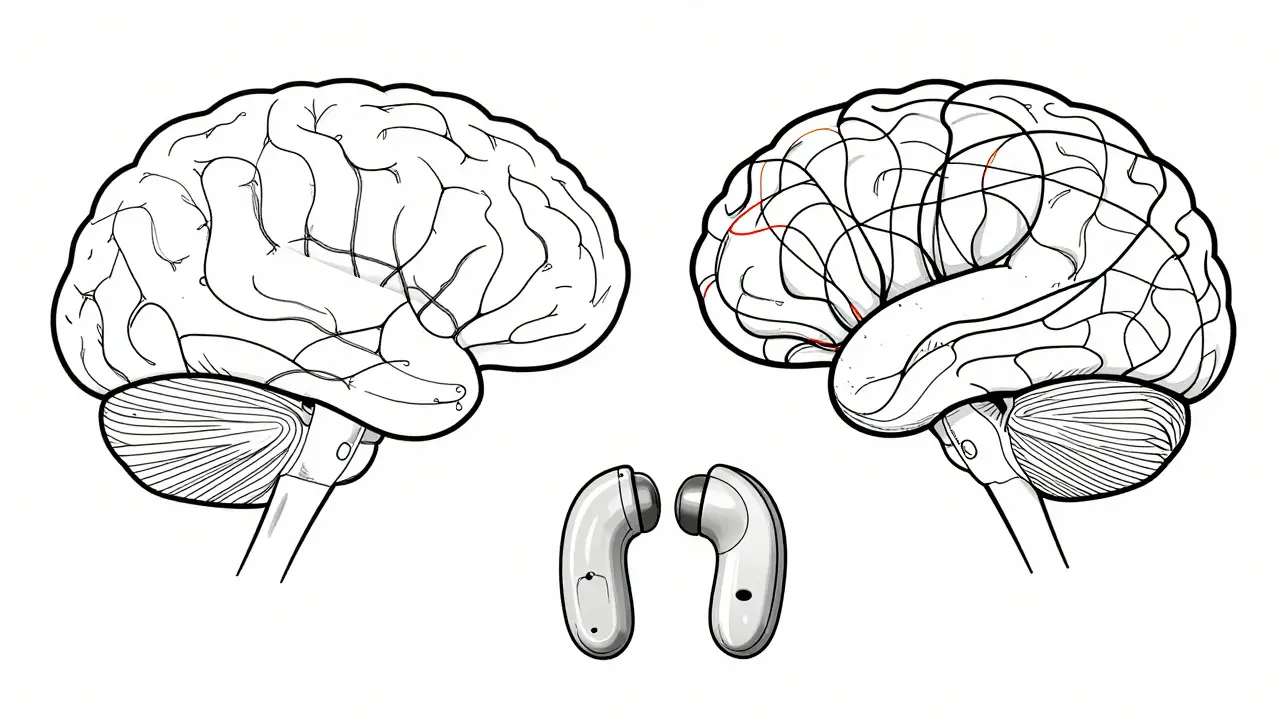
Buying the device is only step one. Success depends on how you adapt. The American Academy of Audiology recommends a 30-60 day trial period. Your brain needs time to relearn how to process sound-a phenomenon known as neural plasticity.
- Start Slow: Wear your aids in quiet environments first. Gradually introduce noisier settings as you get comfortable.
- Expect a Learning Curve: Most users achieve 80% adaptation within 4-6 weeks. Complex features like app controls may take 12 hours of practice.
- Manage Expectations: Only 55% of users feel they have "normal" hearing restored. The goal is improved communication, not perfection.
- Maintenance Matters: Clean your devices daily. Batteries last 3-14 days depending on usage, while rechargeable models offer 16-20 hours per charge.
- Utilize Telehealth: Many audiology practices now offer remote fine-tuning. If something sounds off, you might not need to visit the clinic immediately.
Don't give up if it feels weird at first. About 20% of users discontinue use within six months, primarily due to poor fit or discomfort. If yours are uncomfortable, see your provider for adjustments. Proper ear mold fitting is critical, especially if you have unique ear canal shapes.
Looking Ahead: The Future of Hearing Health
The market for hearing healthcare is booming, valued at $9.3 billion in 2023 and projected to reach $14.7 billion by 2030. We are seeing exciting innovations, including AI-powered sound processing that reduces listening effort by 20%, and devices that monitor physical activity and social engagement.
However, access remains a challenge. Medicare Advantage plans now cover hearing aids for 28 million beneficiaries, but out-of-pocket costs still deter many. With the World Health Organization projecting that 1.5 billion people will have hearing loss by 2050, early intervention is more critical than ever.
If you suspect you have presbycusis, don't wait. Schedule a baseline hearing screening. Early amplification preserves neural pathways and keeps you connected to the world you love.
Can presbycusis be cured?
No, there is currently no cure for presbycusis because the hair cells in the inner ear do not regenerate. However, amplification strategies like hearing aids can significantly improve hearing ability and quality of life.
At what age should I get my hearing tested?
The American Speech-Language-Hearing Association (ASHA) recommends a baseline hearing screening at age 50, followed by biennial (every two years) check-ups. Earlier testing is advised if you have a family history of hearing loss or work in noisy environments.
Are OTC hearing aids effective?
Yes, for adults with mild to moderate hearing loss, OTC hearing aids can be effective and are much more affordable than prescription models. However, they lack the custom fitting and advanced noise-cancellation features of professional devices, making them less suitable for complex listening environments.
How does hearing loss affect dementia risk?
Untreated hearing loss is linked to a 50% increased risk of dementia. A 2020 Lancet Commission report suggests that treating hearing loss early (e.g., at age 60) could reduce dementia risk by 8-10% over a decade by keeping the brain socially and cognitively engaged.
Do hearing aids help with tinnitus?
Yes, hearing aids can help manage tinnitus (ringing in the ears). By amplifying external sounds, they mask the internal ringing, making it less noticeable. Many modern hearing aids also include built-in tinnitus therapy features.
How long does it take to adjust to hearing aids?
Most users achieve 80% adaptation within 4-6 weeks. It is recommended to start in quiet environments and gradually increase usage. Follow-up appointments at 1, 2, and 4 weeks are typical for fine-tuning.

10 Comments
hey guys, just read this and it really hit home. my dad has been complaining about the tv being too quiet for years but we thought he was just being difficult. turns out his hair cells are dying off like the article says. kinda scary how fast it happens after 30. im gonna try to get him checked out soon cause i dont want him getting isolated or anything. thanks for sharing this info, it was super helpful even if my spelling is bad lol.
You are all completely missing the forest for the trees here. This isn't about 'aging' or 'hair cells.' It's about the electromagnetic spectrum pollution that has saturated our environment since the rollout of 5G infrastructure. The WHO data they cite? Manufactured consensus by Big Pharma to sell you expensive hearing aids while ignoring the root cause: auditory nerve degradation from chronic RF exposure. The 'biological aging' narrative is a convenient cover-up for environmental toxicity. Wake up.
Oh, please. Another alarmist taking a medical condition and turning it into a conspiracy theory. Sean, go back to your bunker. And as for the rest of you, stop whining about noise in restaurants. If you can't hear, maybe you should have worn earplugs when you were blasting heavy metal at concerts in your twenties. It's not the government; it's your own poor life choices. Also, why does everyone assume I care about your dinner conversations?
I must say, I am absolutely thrilled to see such a comprehensive discussion on this vital topic! It is truly wonderful how modern technology can bridge the gap between isolation and connection! When I first got my aids, I was so nervous, but now I feel like I am part of the world again! Isn't it amazing that we can just stream audio directly from our phones?! I highly recommend starting slow, though, because the brain needs time to adjust, and it is such a beautiful process of neural plasticity! Let us all support each other in this journey!
i hear you mary, its tough but worth it. i remember when my mom started withdrawing she just sat in the corner during family dinners. it was sad to watch her struggle with the noise. now she wears hers everywhere and actually joins in. people forget how exhausting it is to listen when you cant filter sounds. its not just hearing its mental energy. glad she found relief
Sure, Mary, it's 'thrilling' to lose your ability to distinguish consonants. Nothing says joy like asking someone to repeat themselves for the tenth time in a row. But hey, at least the $3,500 price tag for prescription aids will make you feel rich! OTC devices are basically placebo earrings anyway, but sure, let's pretend they work miracles. Great advice, truly inspiring.
listen up folks. stop making excuses. if ur ears are going u need to fix it now. dont wait till ur brain starts rotting with dementia. its simple biology. hair cells die. end of story. get the aids. use them. stay active. dont be lazy about ur health. life is short and hearing is key to staying sharp. do it now.
oh my god this is so dramatic. my uncle lost his hearing and he just stopped talking to anyone. it was awful. he used to be so loud and funny but then he just became quiet and sad. nobody helped him early enough. now he lives alone and eats instant noodles every day. its tragic really. why do we ignore these signs until its too late??
The statistical correlation between untreated presbycusis and cognitive decline is well-documented. The Lancet Commission report cited in the post provides robust evidence. Early intervention is clinically indicated to preserve neural pathways. Patients should consult an audiologist for baseline screening at age fifty. Delaying treatment exacerbates social isolation and increases dementia risk significantly.
This entire discourse is utterly preposterous. You all treat presbycusis as some inevitable tragedy rather than a manageable inconvenience. Furthermore, the notion that one must spend thousands on 'prescription' devices is pure corporate greed masquerading as healthcare. The OTC market exists precisely because the FDA recognized the absurdity of gatekeeping basic amplification. To suggest otherwise is intellectually dishonest and serves only to inflate the profits of audiology conglomerates who profit from your anxiety. Do not be swayed by fear-mongering statistics.