
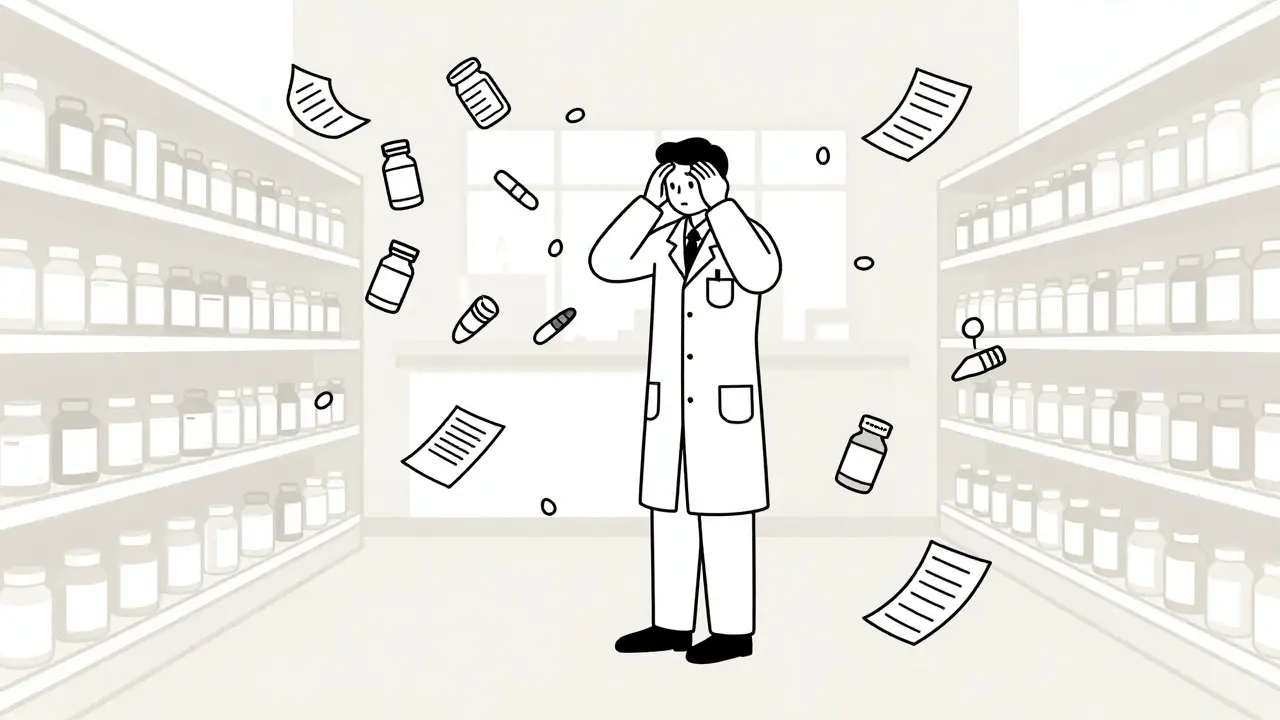
Generic drugs make up roughly 90% of all prescriptions dispensed in the United States. Yet, for many pharmacists, keeping up with the latest changes in generic substitution laws, bioequivalence standards, and biosimilar interchangeability feels like trying to catch a moving train while standing still. You know generics are critical for patient access and cost savings, but the regulatory landscape shifts constantly. One month you’re comfortable with a specific substitution protocol; the next, a new FDA guidance or state board ruling changes everything.
This is where Continuing Pharmacy Education (CPE) becomes your most vital tool. It’s not just about checking boxes for license renewal. It’s about maintaining the clinical competence required to navigate complex therapeutic equivalence ratings and avoid costly errors. With the Accreditation Council for Pharmacy Education (ACPE) updating standards and states introducing new mandates, understanding how to leverage CPE specifically for generics knowledge is no longer optional-it’s essential for safe practice.
Why Generic Knowledge Is a Moving Target
The idea that you learned enough about generics in pharmacy school is outdated. The market evolves faster than any static textbook can capture. Between January 2022 and June 2023 alone, the Food and Drug Administration (FDA) approved 983 new generic drug applications. That’s a 17% year-over-year increase. Each approval brings new bioequivalence data, potential formulation differences, and sometimes, new restrictions on substitution.
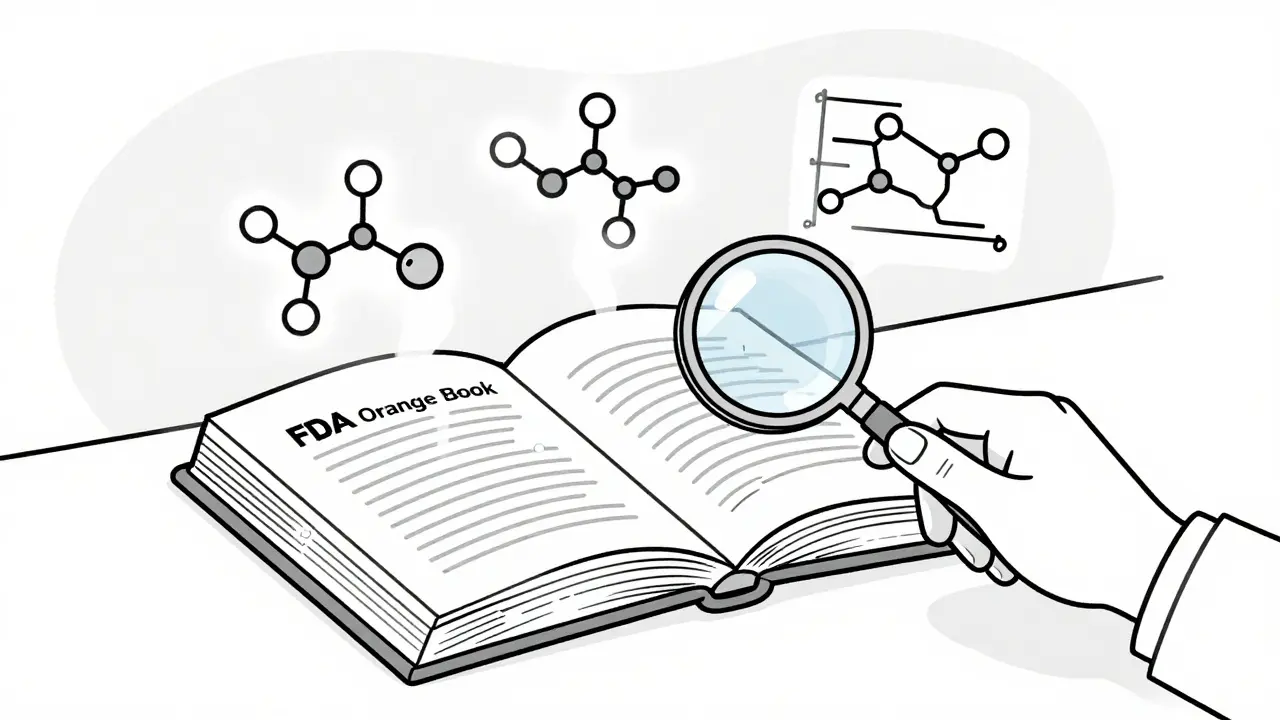
Consider the FDA Orange Book. This resource contains over 1,200 therapeutic equivalence ratings that are updated monthly. As Dr. John Smith, Professor of Pharmacy Practice at the University of Illinois College of Pharmacy, noted in a 2022 article, pharmacists must stay current on these updates to ensure appropriate substitution practices. Missing a single update could lead to dispensing a product that isn’t therapeutically equivalent for a sensitive patient population.
The complexity deepens with biosimilars. These aren’t simple chemical copies like traditional generics; they’re large-molecule biologics with intricate structures. An American Society of Health-System Pharmacists (ASHP) survey from 2023 revealed that 78% of hospital pharmacists felt they needed more training on biosimilar nuances. If you’re handling specialty generics or biologics, the margin for error is razor-thin, and the legal implications of improper substitution are significant.
Navigating State-Specific CE Requirements
One size does not fit all when it comes to continuing education. While all 50 U.S. states require CPE for license renewal, the specifics vary wildly. Typically, you’ll need between 15 and 30 hours per biennial cycle. But within those hours, the mandatory topics differ by jurisdiction.
Take Illinois as an example. Registered Pharmacists must complete 30 hours every two years. Starting in 2025, this includes specific modules on sexual harassment prevention, implicit bias, and cultural competency. Meanwhile, Texas pharmacists face unique challenges regarding narrow therapeutic index (NTI) drugs, often requiring deeper dives into state-specific substitution rules. California requires you to maintain records for two years, whereas New York demands you submit certificates directly with your renewal application.
| State | Total Hours Required | Key Mandatory Topics | Documentation Rule |
|---|---|---|---|
| Illinois | 30 hours / 2 years | Sexual Harassment, Implicit Bias, Cultural Competency (from 2025) | Keep records; submit only if requested |
| California | Varies by license type | Pain management, HIV/AIDS awareness | Maintain records for 2 years |
| New York | 45 hours / 3 years | HIV/AIDS, Pain Management, Ethics | Submit certificates with renewal |
| Texas | 20 hours / 2 years | Controlled substances, NTI drug nuances | Audit-based reporting |
If you hold licenses in multiple states, the challenge multiplies. You must satisfy each board’s distinct requirements. This often means overlapping topics but also filling gaps where one state mandates content another ignores. For instance, 18 states now require specific training on opioid alternatives, including generic versions. Ignoring these local nuances can jeopardize your license, regardless of your national credentials.
Choosing the Right Type of CPE Activity
Not all continuing education is created equal. The ACPE categorizes activities into three main types: knowledge-based, application-based, and certificate programs. Understanding the difference helps you select courses that actually improve your practice rather than just adding hours to your transcript.
- Knowledge-Based: These focus on foundational information. They’re great for quick updates on new guidelines but often lack depth. User reviews on platforms like CE21 show these courses typically score around 3.2 out of 5 stars because they feel passive.
- Application-Based: These use case studies to force you to apply principles. For generics, this is crucial. You might analyze a scenario involving levothyroxine substitution, where small bioequivalence differences matter immensely. These courses average 4.7 out of 5 stars because they mimic real-world decision-making.
- Certificate Programs: These combine didactic learning with practice experience and assessments. They’re intensive but offer the deepest mastery, ideal for complex areas like biosimilar interchangeability.
When selecting a provider, look for accreditation. All CE must be accredited by either your state Board of Pharmacy or ACPE. Reputable providers like Pharmacist's Letter offer free modules on ethics and therapeutic substitution, while others like Wolters Kluwer specialize in compounding standards (USP Chapters 795, 797, and 800) that impact generic handling.
The Biosimilar and CREATES Act Challenge
Two major forces are reshaping generic education right now: biosimilars and the CREATES Act. Both demand specialized attention in your CE plan.
Biosimilars are similar to reference biological products but not identical. Their interchangeability status varies by state and product. In 2024, ACPE announced new standards requiring all generics-related CE to include specific content on biosimilar interchangeability and Risk Evaluation and Mitigation Strategies (REMS) programs. Effective January 1, 2025, this will be mandatory. If your current CE plan doesn’t address this, you’ll fall behind.
Then there’s the CREATES Act (Creating and Restoring Equal Access To Equivalent Samples). This legislation addresses the practice of brand-name manufacturers withholding samples of their drugs, which generic developers need to conduct bioequivalence studies. Regulatory attorney Jane Doe highlighted in a 2023 Drug Topics article that the legal landscape here is increasingly complex. Pharmacists need to understand how patent linkage litigation and sample access issues affect the availability and timing of generic approvals. This isn’t just legal trivia; it impacts inventory planning and patient expectations.
Practical Strategies for Staying Current
You don’t have to overhaul your entire routine to stay sharp. Small, consistent actions yield better results than cramming before renewal deadlines. Here’s how to integrate generics-focused learning into your workflow:
- Leverage Application-Based Courses: Prioritize modules with case studies. Look for scenarios involving narrow therapeutic index drugs like warfarin, phenytoin, or levothyroxine. These high-risk areas benefit most from practical simulation.
- Monitor the Orange Book Monthly: Set a calendar reminder to check the FDA Orange Book for updates on therapeutic equivalence codes. Focus on products you dispense frequently. Note any changes from AB (therapeutically equivalent) to BX (unknown equivalence) or other ratings.
- Join Professional Communities: Forums like r/pharmacy on Reddit often highlight real-time issues. A pharmacist named Sarah Johnson shared how an ACPE-accredited module helped her prevent a dangerous levothyroxine substitution error. Peer insights can flag emerging problems before official guidelines update.
- Track State Board Alerts: Subscribe to emails from your state Board of Pharmacy. They often post urgent alerts about new substitution bans or required training modules. For example, Texas pharmacists recently received guidance on NTI drug substitutions that wasn’t widely covered in national CE.
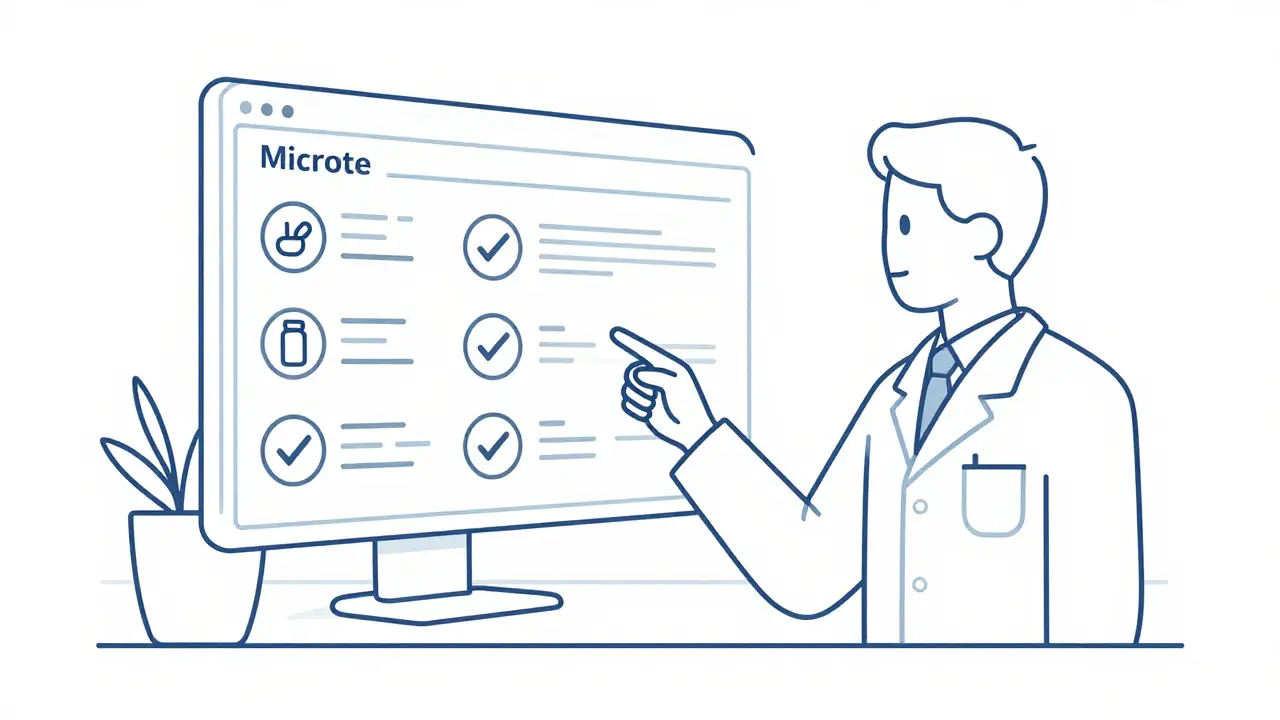
- Use Point-of-Care Tools: Integrate learning with practice. CVS Health pilot programs showed a 28% reduction in generics-related errors using just-in-time learning interventions. Use your pharmacy software’s decision support features to reinforce what you’ve learned.
Data supports this approach. The American Pharmacists Association found that pharmacists who completed at least 5 hours of generics-specific CE annually made 37% fewer substitution errors. It’s a clear ROI on your time investment.
Looking Ahead: AI and Personalized Learning
The future of continuing education is becoming more personalized. Industry analysts at IQVIA predict that AI-powered CE platforms will grow from 12% to 35% market share by 2027. These tools use algorithms to identify individual knowledge gaps. Instead of taking a generic course on all biologics, an AI platform might detect that you struggle specifically with insulin analog substitutions and recommend targeted micro-learning modules.
However, experts warn against relying solely on short modules. Dr. Michael Chen argued in the Journal of Managed Care & Specialty Pharmacy that 1-2 hour sessions cannot fully address the complexity of specialty generics. The long-term solution lies in blending continuous, bite-sized learning with robust point-of-care decision support. As the National Association of Boards of Pharmacy (NABP) aims for 80% state alignment in generics education by 2025, expect more standardized, yet flexible, learning pathways.
Staying current on generics isn’t just about compliance. It’s about protecting your patients and your practice. By choosing high-quality, application-based CE and staying alert to regulatory shifts, you turn continuing education from a chore into a competitive advantage.
How many CE hours do I need for my pharmacist license?
Requirements vary by state but typically range from 15 to 30 hours per biennial renewal cycle. For example, Illinois requires 30 hours every two years, while New York requires 45 hours every three years. Always check your specific state Board of Pharmacy website for exact numbers and mandatory topics.
What is the difference between a generic drug and a biosimilar?
A generic drug is a chemical copy of a brand-name small-molecule drug, required to be bioequivalent. A biosimilar is a large-molecule biologic that is highly similar to a reference product but may have minor differences in clinically inactive components. Biosimilars have more complex interchangeability rules and often require specific state-level authorization.
Are all continuing education courses accredited?
No. Only courses accredited by ACPE or your state Board of Pharmacy count toward license renewal. Always verify the ACPE Universal Activity Number (UAN) or state approval code before enrolling. Unaccredited courses may provide useful information but won’t fulfill legal requirements.
Why is the FDA Orange Book important for pharmacists?
The Orange Book lists approved drug products with therapeutic equivalence evaluations. It tells you whether a generic can be substituted for a brand-name drug (AB rating) or if there are concerns (BX or lower ratings). Since it updates monthly, regular checks are essential for accurate substitution decisions.
What is the CREATES Act and why should I care?
The CREATES Act prevents brand-name manufacturers from withholding samples of their drugs, which generic developers need for testing. This affects the timeline and availability of new generics. Understanding this law helps you anticipate delays in generic launches and manage patient expectations regarding medication access.

15 Comments
It is imperative that pharmacists recognize the shifting regulatory landscape regarding generic substitution. The article rightly points out that Continuing Pharmacy Education (CPE) is not merely a bureaucratic hurdle but a critical component of clinical competence. One must stay abreast of FDA Orange Book updates to ensure patient safety.
honestly this stuff is kinda overwhelming tbh. like i get why we need to know about biosimilars and all that but its just so much info to keep track of. glad there are apps for it now tho makes it a bit easier maybe
The notion that one can trust these 'standards' is laughable. The FDA is clearly in cahoots with big pharma to push these biosimilars while ignoring the long-term effects on patients. It is a conspiracy to control healthcare through misinformation and mandatory training modules that serve only corporate interests.
It is quite amusing to see such a rudimentary attempt at explaining the complexities of pharmaceutical regulation, which requires a level of intellectual sophistication that is evidently lacking in the general populace who consume such content without proper academic grounding in pharmacology or regulatory affairs.
they dont want you to know the truth about generics its all a scam by the government to keep us sick and dependent on their expensive drugs while pretending to save money with these fake equivalents that have no real testing behind them
The discourse surrounding therapeutic equivalence ratings reveals a profound disconnect between regulatory bodies and the nuanced realities of clinical practice, necessitating a more sophisticated approach to continuing education that transcends mere compliance metrics.
Great tips! !! I love how application-based courses are highlighted!! They really do make a difference in real-world scenarios!! Keep up the good work in staying informed!!
The moral obligation of pharmacists extends beyond simple dispensing; it encompasses a rigorous adherence to ethical standards that are often compromised by the relentless pursuit of cost-saving measures through generic substitution, which frequently overlooks the individual patient's unique physiological needs and rights.
its absolutely ridiculous how people just accept these generic drugs without questioning the deeper philosophical implications of substituting one substance for another under the guise of bioequivalence when in reality it reflects a societal failure to value individualized care over mass production efficiencies
One must consider the epistemological foundations of bioequivalence data, as the reductionist approach to drug substitution fails to account for the holistic nature of patient health outcomes, thereby necessitating a more contemplative engagement with continuing education materials.
I wonder if the AI-powered CE platforms mentioned will actually be able to identify specific knowledge gaps effectively, or if they will just recommend popular courses regardless of individual needs? It seems like an interesting challenge for future development.
Let me break down the jargon for you: REMS programs and NTI drugs are critical components that most pharmacists ignore until they make a costly error. If you aren't tracking the Orange Book monthly, you're practicing negligence. Stop making excuses and start utilizing point-of-care tools properly.
i guess it is what it is. trying to keep up with all the state requirements sounds exhausting though. maybe just focusing on the basics is enough for most people unless they are dealing with specialty generics or something
The ethical imperative demands that pharmacists prioritize patient welfare over convenience, yet the current system incentivizes rapid substitution based on flawed equivalence metrics. This systemic failure requires immediate rectification through stricter oversight and enhanced educational standards that address these moral deficiencies.
We need to protect our American jobs and standards from foreign influences that might dilute our rigorous training requirements. It is essential that we maintain strict control over our pharmaceutical regulations to ensure the highest quality of care for our citizens, without compromising our national integrity.